Guides
After a Parent's Fall: What to Change at Home First (2026)
The week after a parent falls: the first 48 hours, how to get an OT home evaluation, the 3 home changes that matter most, what can wait, and who pays for it.
Updated 2026-07-21. Reviewed against our editorial standards.
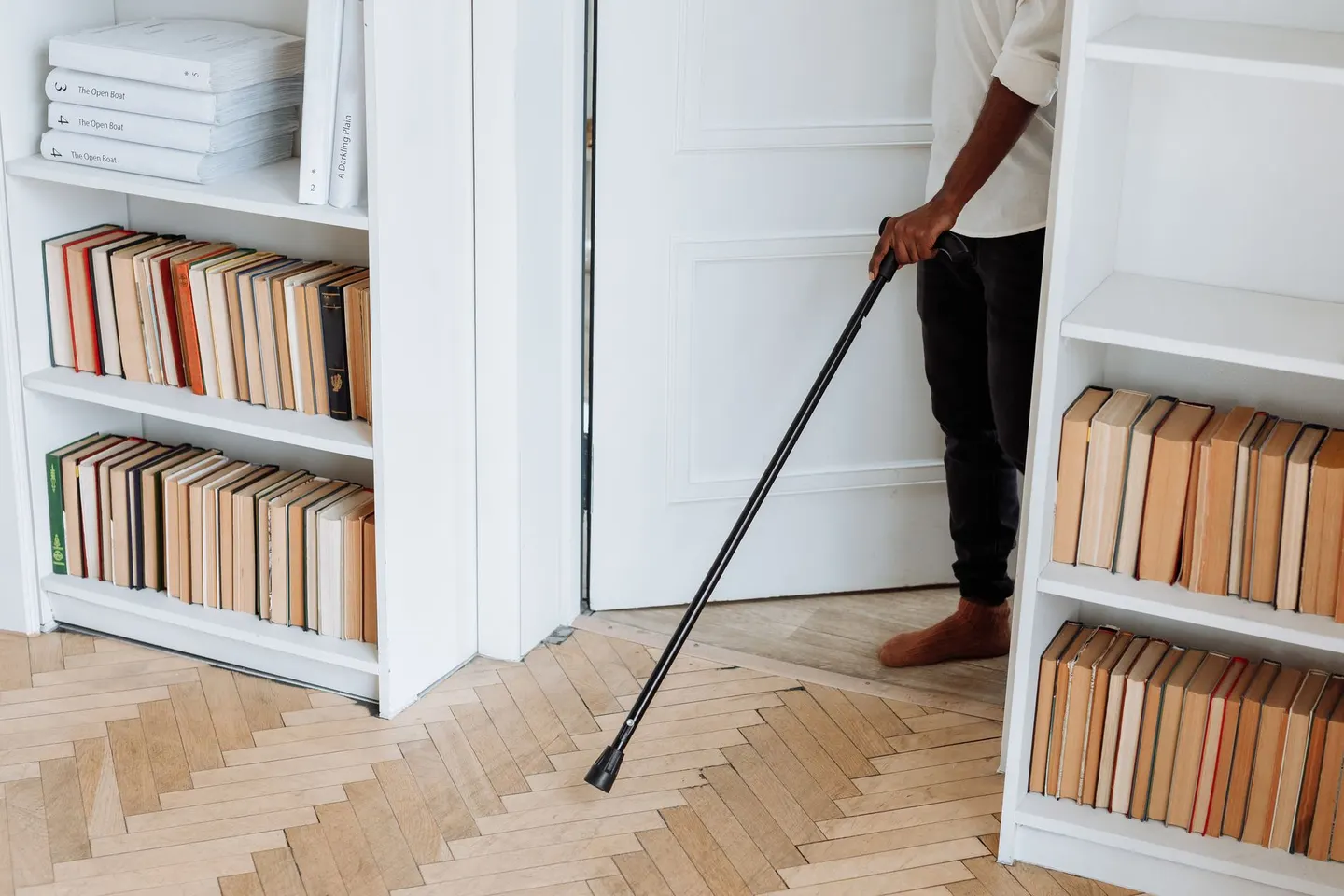
In the week after a parent's fall, 3 changes matter most: make the bathroom safe (grab bars, a shower seat, a handheld shower head), light the path from the bed to the toilet, and remove loose rugs and thresholds. Before you buy anything bigger, ask the hospital or doctor for an occupational therapy home evaluation, which tells you exactly what to change in that house. Everything else, including a bathroom remodel or a stair lift, can wait a few weeks while you get quotes.
Ready to talk to a certified aging-in-place remodeler? Describe the fall and the home, and get matched with a bathroom safety remodeler serving your area.
The first 48 hours
A fall is a signal, not just an event. Falls are the leading cause of injury among older adults, and the first 2 days are about 3 things.
Get them seen. If your parent has not been checked by a clinician, arrange it, even if they say nothing hurts, and ask what caused the fall. Medication, vision and footwear are questions for the doctor, not for a remodeler.
Make tonight safer. Pick up every loose rug. Plug in motion-activated night lights between the bed and the bathroom. Put the phone and a lamp within reach of the bed.
Pause the risky routines. No showering alone until there is something to hold. A plastic shower chair and a handheld shower head from any hardware store are enough for this week.
What to ask the doctor or hospital
Ask for an occupational therapy (OT) home evaluation. An occupational therapist is a clinician trained in how people do everyday tasks (bathing, dressing, getting up from a chair). In a home evaluation, the OT visits the house, watches your parent move through it, and writes recommendations: where grab bars go, how high the toilet should be, whether a shower seat or a transfer bench fits.
Questions to ask:
- "Can we get a referral for an OT home safety evaluation?" The discharge planner can arrange it if your parent was admitted; otherwise the primary care doctor can.
- "Should we be looking at a walker or other equipment?" Original Medicare covers some durable medical equipment (walkers, commodes, hospital beds) when medically necessary. It does not cover grab bars, walk-in tubs, ramps or stair lifts.
- "Is there a reason this happened that we can treat?" That is the clinical side, and this guide is not medical advice. Ask the clinician.
The OT's written report is your shopping list for a remodeler: specific work a contractor can quote. If a home evaluation is not available quickly, a whole-home safety assessment by a Certified Aging-in-Place Specialist covers similar ground.
The 3 changes that matter most right away
Bathrooms are where many falls happen, and most falls at home involve wet floors, thresholds, stairs, poor lighting and reaching. These 3 changes cover most of that.
1. The bathroom
Install grab bars at the toilet and in the shower or tub. The hardware costs tens of dollars; professional installation into studs or with proper anchors typically runs a few hundred dollars for a bathroom (about $85 to $300 per bar installed, Fixr, 2025), because a bar that pulls out of drywall is worse than no bar. Add a shower seat, a handheld shower head and a rubber-backed mat. If the tub wall is the problem, start pricing a curbless shower conversion ($2,500 to $9,000 in national estimates) or a walk-in tub now. Those take weeks to schedule.
2. Lighting
Light the route your parent walks at night: bedside, hallway, bathroom. Motion-activated night lights, a lamp or switch reachable from the bed, and a brighter bulb in the bathroom.
3. Thresholds and rugs
Remove every loose rug. Look at every height change between rooms: the lip into the bathroom, the step down to the lanai or patio, the strip between carpet and tile. Beveled transition strips are cheap; raising a floor or removing a threshold is a remodeler's job. In Florida, slick tile plus humidity is a common combination; see non-slip flooring.
What can wait
A stair lift, a main-floor bedroom, widened doorways and a full bathroom remodel are real projects with real lead times. They can wait until the OT report is in and recovery is clearer. Buying a stair lift before anyone knows whether your parent will be using a walker in 2 months is how families end up with the wrong equipment. Get quotes now. Decide in 3 or 4 weeks, with our aging-in-place remodeling cost guide beside the quotes.
When your parent says no
Most parents resist. The grab bar looks like a hospital. The ramp tells the neighbors something. A few things that help:
- Lead with staying home. The changes are how they keep the house, not a step toward leaving it.
- Let the clinician say it. An OT's written recommendation lands differently than a child's suggestion; ask the OT to explain each item to your parent.
- Start small and finish the job. One well-placed grab bar that gets used builds trust for the shower conversion later. Grab bars now come in finishes that match towel bars.
- Put the money on the table. Many parents refuse because they assume the cost falls on the children. Say who is paying and how.
Who pays
Most families pay directly, from savings or by splitting the cost among siblings, and that is the fastest route: no pre-approval, your choice of contractor, work starts this week. Paying out of pocket explains the tools. Medicare and Medicare Advantage has the honest version of what plans cover (a small bathroom safety allowance on some Advantage plans, nothing from Original Medicare). If your parent has a long-term care insurance policy or is a veteran (VA grants), call before buying anything, because both usually require pre-approval.
Ready to talk to a certified aging-in-place remodeler? Start with the bathroom and get matched with a remodeler serving your area.
Questions people ask
What should I do in the first 48 hours after my parent falls?
Make sure they have been seen by a clinician, even if nothing seems broken, and ask what caused the fall. Then remove loose rugs, add night lights on the path to the bathroom, and make sure they do not shower alone until a grab bar and a shower seat are in place.
What is an occupational therapy home evaluation?
An occupational therapist visits the home, watches how your parent moves through it, and writes specific recommendations such as grab bar placement, a shower seat or a raised toilet seat. Ask the hospital, rehab facility or primary care doctor for a referral.
Which home changes matter most after a fall?
The bathroom (grab bars, a shower seat, a handheld shower head and eventually a curbless shower), lighting on the path from the bed to the toilet, and removing thresholds and loose rugs. Those 3 cover most of the places falls happen at home.
Does Medicare pay for home changes after a fall?
Original Medicare does not pay for grab bars, walk-in showers, ramps or stair lifts. It can cover some durable medical equipment like a walker or commode when medically necessary. Some Medicare Advantage plans include a small bathroom safety allowance; check the plan's Summary of Benefits.
What if my parent refuses to change anything?
Start with the smallest change they will accept, frame each one as a way to stay in the house, and let the occupational therapist or doctor make the recommendation instead of you. Most parents accept a grab bar from a clinician faster than from a child.
Free, no obligation
Tell us about the home. We match you with a certified aging-in-place remodeler.
A few questions about your project. We never charge homeowners, and we never sell your information.