Maryland
Aging-in-Place Remodeling in Maryland: Homes, Licenses, Who Pays
Aging-in-place remodeling in Maryland: old two-story homes, how to check an MHIC license, the one-third deposit cap, state programs, and who really pays.
Updated 2026-08-12. Reviewed against our editorial standards.
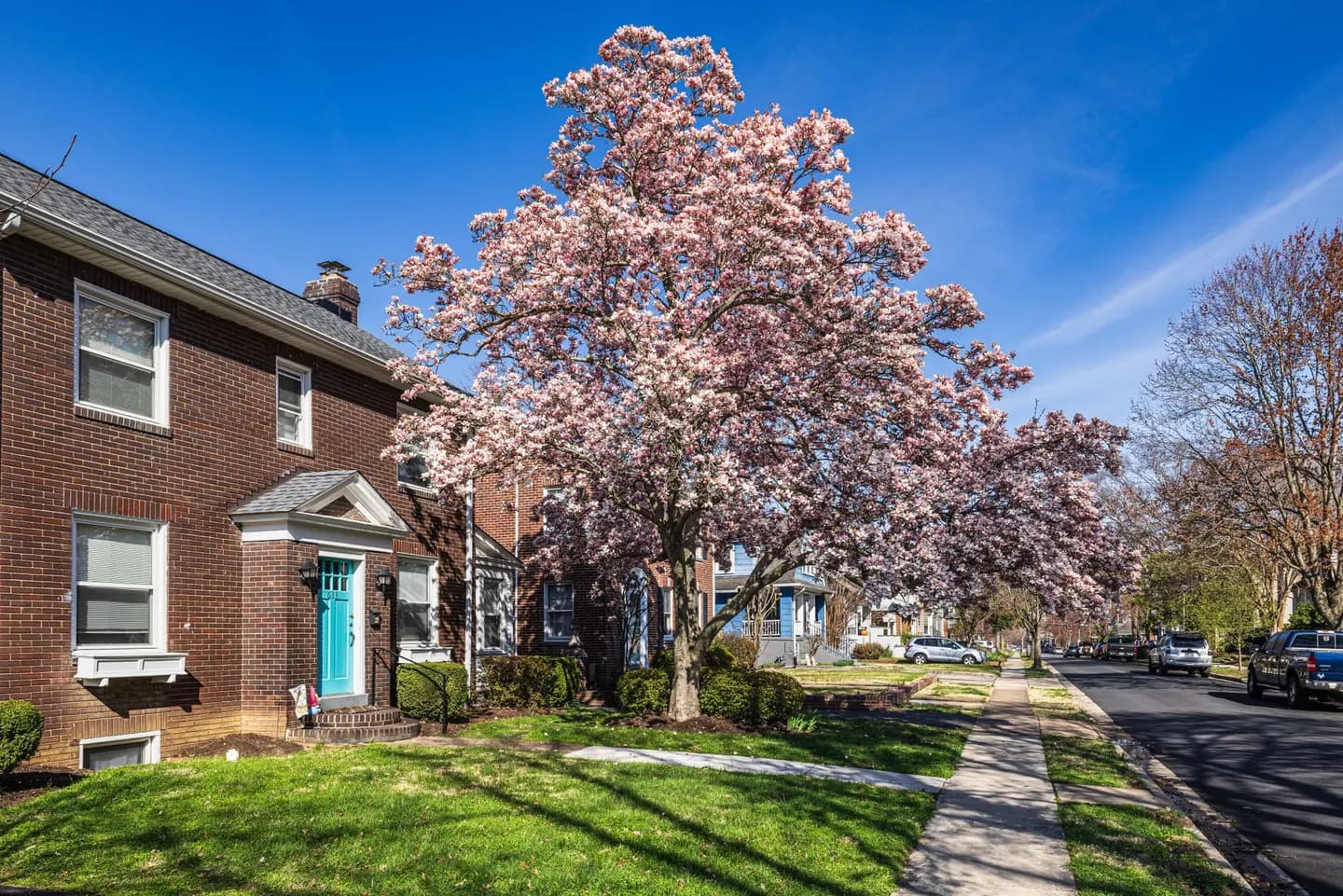
Maryland had 1,149,859 residents 65 and over on July 1, 2025, 18.4% of the state, according to Census Bureau Vintage 2025 population estimates (1,114,890, or 17.9%, on July 1, 2024). Many live in homes built before 1980 (59.5% of Baltimore County's housing, 49.1% of Montgomery County's), which here usually means two stories, a basement and the only full bath upstairs, plus a front step that ices over in January. Every contractor who alters, remodels or repairs a Maryland home needs a Maryland Home Improvement Commission (MHIC) license, with no minimum job size. Most families pay directly, with Medicare Advantage, long-term care insurance, Medicaid, the VA and the state's Accessible Homes for Seniors program covering specific cases.
Ready to talk to a certified aging-in-place remodeler? Tell us about the home and get matched with a licensed Maryland remodeler serving your area.
Maryland by the numbers
- 1,149,859 Marylanders were 65 or older on July 1, 2025, 18.4% of 6,265,347 residents and up 16.3% since 2020 (Census Bureau Vintage 2025).
- Montgomery County has the most residents 65 and over (201,065), then Baltimore County (168,779); Talbot County has the highest share (32.0%), then Worcester (30.1%).
- 59.5% of Baltimore County homes, 49.1% of Montgomery County homes and 82.5% of Baltimore City homes predate 1980 (Maryland Environmental Public Health Tracking, ACS 2019 to 2023).
Why Maryland homes are different
Two stories and a basement. The 1960s to 1980s suburbs are mostly two-story colonials and split-levels over a basement; Baltimore City is half rowhouse (50.4% attached, median year built 1947), with steep, narrow stairs and often no bath downstairs. Either way the biggest projects here are about stairs: a stair lift on the main staircase, or a main-floor bedroom and bath built from a dining room or den.
Bathrooms from before 1980. Small, with a tub you step over and a door too narrow for a walker. A bathroom safety remodel usually means a curbless shower where the tub was, grab bars anchored into the studs and a comfort-height toilet.
Winter at the front door. Maryland averages 20.6 inches of snow a season, with winter temperatures averaging 34.1 F (Maryland State Archives), so the front stoop is the most dangerous square yard of the house from December to March. Entry work means a covered landing, a ramp with a non-slip surface, railings on both sides and a light over the door.
Checking a Maryland contractor's license
A person must hold a contractor license whenever they act as a contractor in Maryland, and "home improvement" means any alteration, remodeling, repair or replacement of a residence, condo units included. There is no dollar floor and no handyman exemption, so the person installing your grab bars needs an MHIC license too. Plumbers and electricians are licensed separately (plumbers by the State Board of Plumbing, except in Baltimore County and the WSSC area, which issue their own; electricians by the state since July 1, 2021). Counties issue building permits under the Maryland Building Performance Standards (the 2021 International Residential Code).
Before you sign, look up the MHIC number on the Maryland Department of Labor's license search and read the complaint history. The contract must carry that number; the deposit is capped at one third of the price, nothing is due before signing, and if the job is secured by your home you have 3 business days to cancel. MHIC contractors must carry $500,000 in general liability insurance (since June 1, 2024), so ask for the certificate. If a licensed contractor does bad work or walks away, the MHIC Guaranty Fund can pay a homeowner up to $30,000 per claim; unlicensed work is not covered.
CAPS (Certified Aging-in-Place Specialist) is training, not a license. Look for both, and read how to choose an aging-in-place remodeler for the full checklist.
Who pays in Maryland
Most Maryland families pay directly, from savings, home equity or adult children splitting the bill: no pre-approval, your choice of contractor, and the deposit cap protects the first check. Paying out of pocket covers the tools. The other channels, honestly:
- Medicare. Original Medicare pays nothing toward home modifications; some Medicare Advantage plans add a bathroom safety allowance (commonly up to $500 a year), and structural work is rarely covered. See Medicare and Medicare Advantage.
- Long-term care insurance. Many policies include a home modification benefit tied to help with daily activities, with pre-approval and a cap. See long-term care insurance.
- Medicaid. Maryland Medicaid (Medical Assistance) is run by the Maryland Department of Health. Ask it whether home modifications are covered in your situation and whether there is a waitlist. See Medicaid waivers.
- Veterans. The VA's HISA grant pays for medically necessary alterations prescribed by a VA clinician. See VA grants.
- Accessible Homes for Seniors. The Maryland Department of Housing and Community Development offers 0% deferred loans (repaid when the home sells) to owner-occupied homes with a household member 55 or older and income up to 80% of the area median, plus grants up to $15,000 for owners under 50% who cannot carry a loan, for ramps, grab bars, accessible showers and doorway widening. Apply through the county housing office or Maryland Access Point.
- County programs. Baltimore County's BCAUSE pays up to $4,500 of safety modifications for homeowners 65 and over at or below 50% of the area median income. Montgomery County's Design for Life property tax credit covers accessibility features, with caps that differ between county pages. Rebuilding Together affiliates do accessibility work for low-income owners, and medical modifications can count as tax deductions.
The Maryland Department of Aging oversees 24 Area Agencies on Aging, one per county plus Baltimore City; Maryland Access Point (MAP), 1-844-627-5465, reaches all of them.
Where we work in Maryland
Maryland is Maryland, and we are matching here first:
- Montgomery County: 201,065 residents 65 and over (18.7%), the most in the state.
- Baltimore County: 168,779 (19.9%), Towson and the older suburbs around Baltimore City.
- Annapolis and Anne Arundel County: 105,956 (17.6%), Annapolis itself 20.4%.
- Frederick: 50,907 (16.8%), up 24.7% since 2020, the fastest growth of any large county.
- The Eastern Shore: Talbot (12,225, 32.0%) and Worcester (16,413, 30.1%) counties, Easton and Ocean Pines.
Outside these areas, request a match anyway: there is no charge to the homeowner, and a certified aging-in-place remodeler serving your area will reach out once matched.
What it costs in Maryland
Maryland construction wages sit at the national average, higher in the Washington suburbs and lower around Baltimore (Bureau of Labor Statistics, May 2025), so these national estimates from 2022 to 2026 secondary sources apply:
| Project | National installed range |
|---|---|
| Curbless shower conversion | $2,500 to $9,000 |
| Full accessible bathroom | $6,600 to $28,000 |
| Stair lift | $3,000 to $20,000 |
| Entrance ramp | $875 to $5,000 |
Get 3 written local quotes; the cost guide explains what drives each number.
Ready to talk to a certified aging-in-place remodeler? Request a match and talk to a licensed Maryland remodeler serving your area.
Cities and counties
Local guides for Maryland
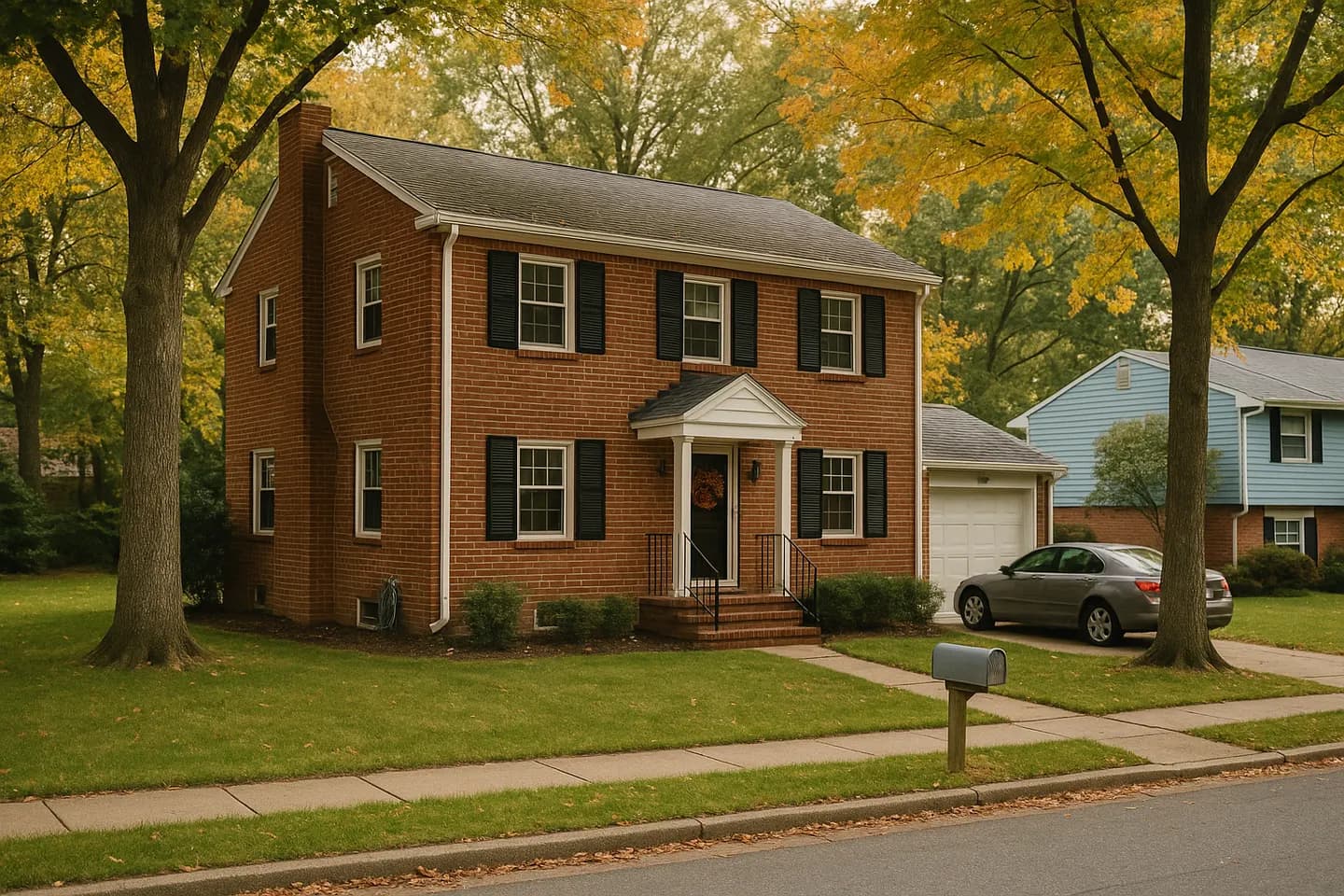
Montgomery County
Aging-in-place remodeling in Montgomery County, MD: 201,065 residents 65 and over, 1970s colonials and Leisure World condos, WSSC plumbing, permits, who pays.
Read the guide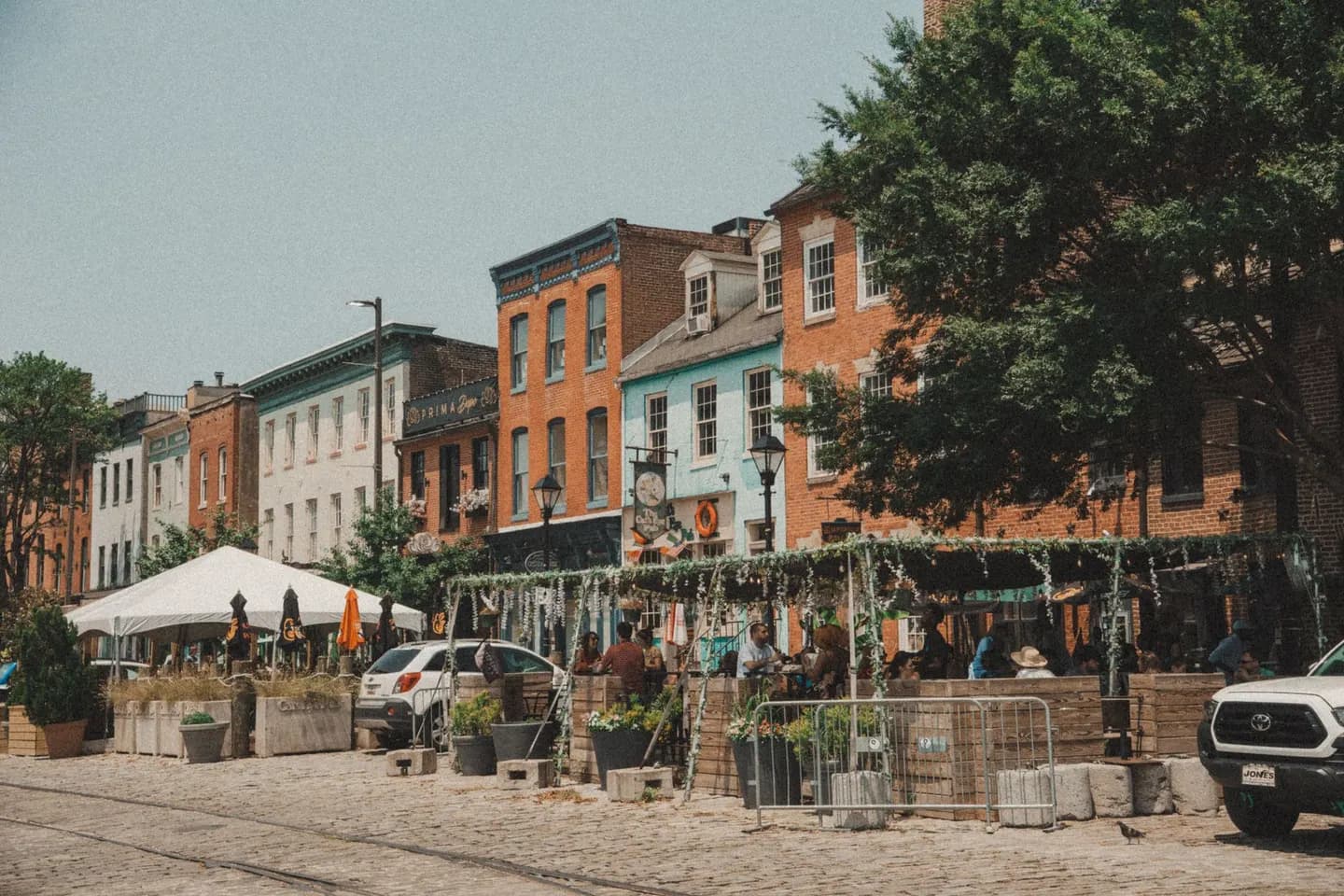
Baltimore County
Aging-in-place remodeling in Baltimore County, MD: 168,779 residents 65 and over, Maryland's oldest suburban homes, county plumbing licenses, BCAUSE, who pays.
Read the guide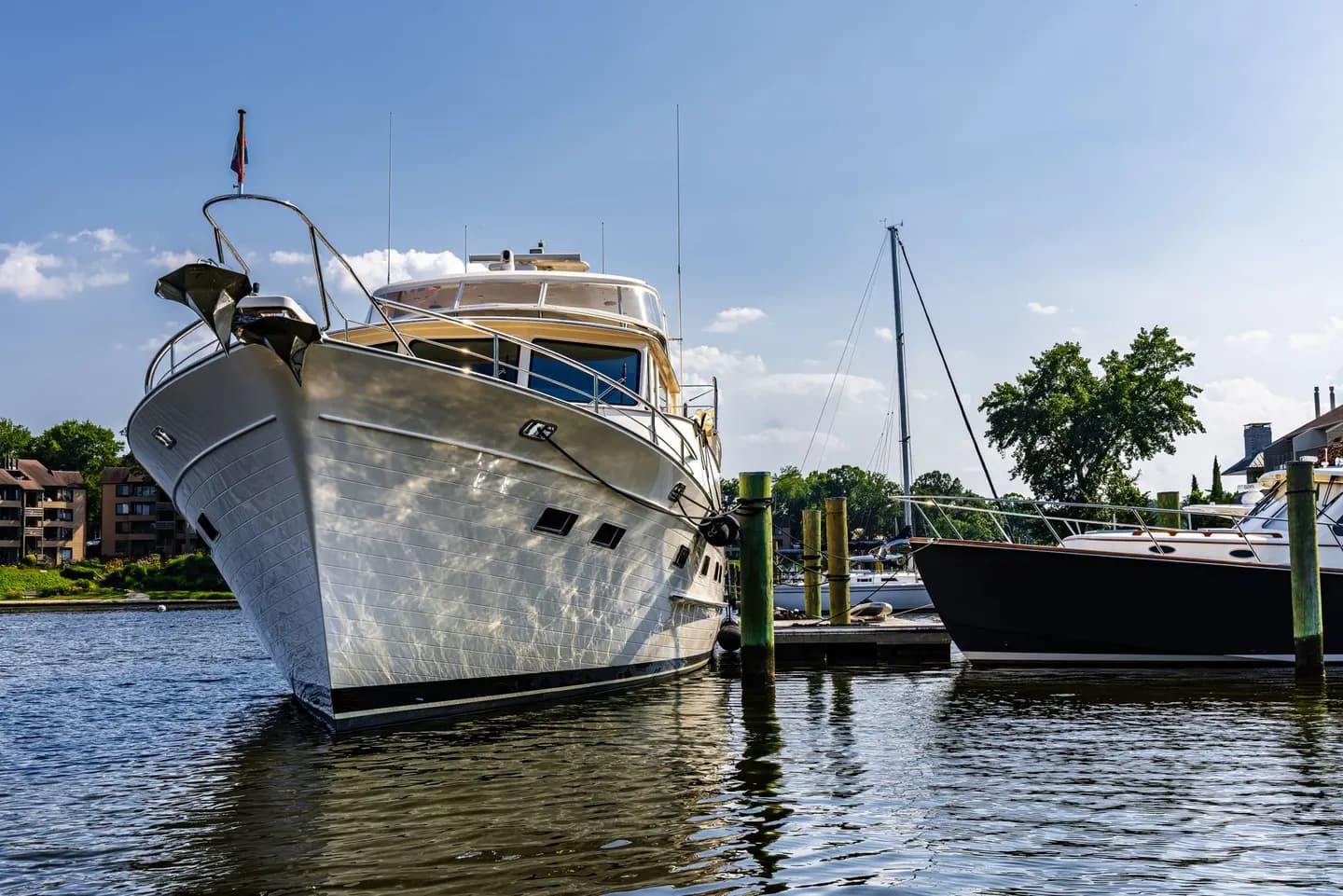
Annapolis and Anne Arundel County
Aging-in-place remodeling in Annapolis and Anne Arundel County, MD: 105,956 residents 65 and over, 1970s and 1980s homes, MHIC licensing, state help, who pays.
Read the guide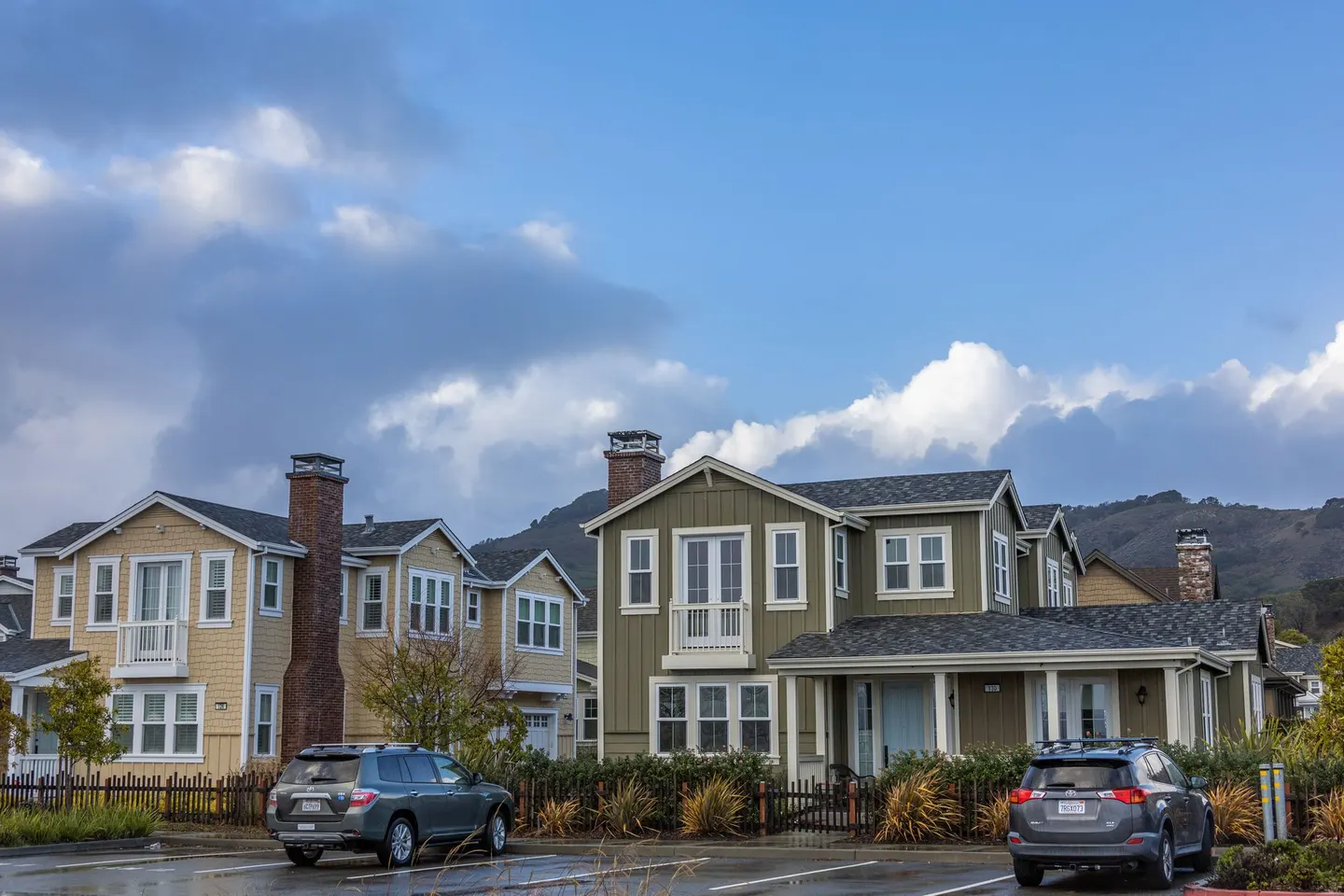
Frederick
Aging-in-place remodeling in Frederick, MD: Frederick County's 65 and over population is up 24.7% since 2020, newer two-story homes, MHIC licensing, who pays.
Read the guide
The Eastern Shore
Aging-in-place remodeling on Maryland's Eastern Shore: Talbot and Worcester counties have the state's highest senior shares, Easton and Ocean Pines, who pays.
Read the guide
Potomac
Aging-in-place remodeling in Potomac, MD: 24.2% of residents are 65 and over, 1970s colonials, MHIC licensing, WSSC plumbing, a county tax credit, and who pays.
Read the guideQuestions people ask
How many seniors live in Maryland?
1,149,859 Marylanders were 65 or older on July 1, 2025, 18.4% of the state, according to Census Bureau Vintage 2025 population estimates, up from 1,114,890 (17.9%) in 2024. Montgomery County has the most (201,065) and Talbot County on the Eastern Shore has the highest share (32.0%).
Do I need a licensed contractor for aging-in-place work in Maryland?
Yes. Maryland requires a Maryland Home Improvement Commission (MHIC) license for any alteration, remodel or repair of a home, with no minimum dollar amount, so even a grab bar job falls under it. Plumbers and electricians hold separate licenses, and you can check all of them on the Maryland Department of Labor's license search.
How much can a Maryland contractor ask for as a deposit?
No more than one third of the contract price, and nothing before the contract is signed. The contract must show the MHIC license number, and if the job is secured by your home you have 3 business days to cancel.
Does Maryland have a program that pays for home modifications for seniors?
Accessible Homes for Seniors, run by the Maryland Department of Housing and Community Development, offers 0% deferred loans and, for lower-income owners who cannot carry a loan, grants up to $15,000 for ramps, grab bars, accessible showers and doorway widening. It is income-limited and for owner-occupied homes with a household member 55 or older. Most Maryland families still pay directly.
Does Medicaid pay for home modifications in Maryland?
Maryland Medicaid, called Medical Assistance, is run by the Maryland Department of Health. Ask it, or Maryland Access Point at 1-844-627-5465, whether home modifications are covered in your situation and whether there is a waitlist. Most families pay out of pocket.
What does aging-in-place remodeling cost in Maryland?
Maryland construction labor runs right at the national average, so national ranges apply: $2,500 to $9,000 for a curbless shower, $3,000 to $20,000 for a stair lift, $6,600 to $28,000 for a full accessible bathroom. Get 3 written local quotes.
Free, no obligation
Tell us about the home. We match you with a certified aging-in-place remodeler.
A few questions about your project. We never charge homeowners, and we never sell your information.