Utah
Aging-in-Place Remodeling in Utah: Homes, Licenses, Who Pays
Aging-in-place remodeling in Utah: how basements, snow and brick homes change the work, how to check a DOPL license and the handyman rule, and who pays.
Updated 2026-08-18. Reviewed against our editorial standards.
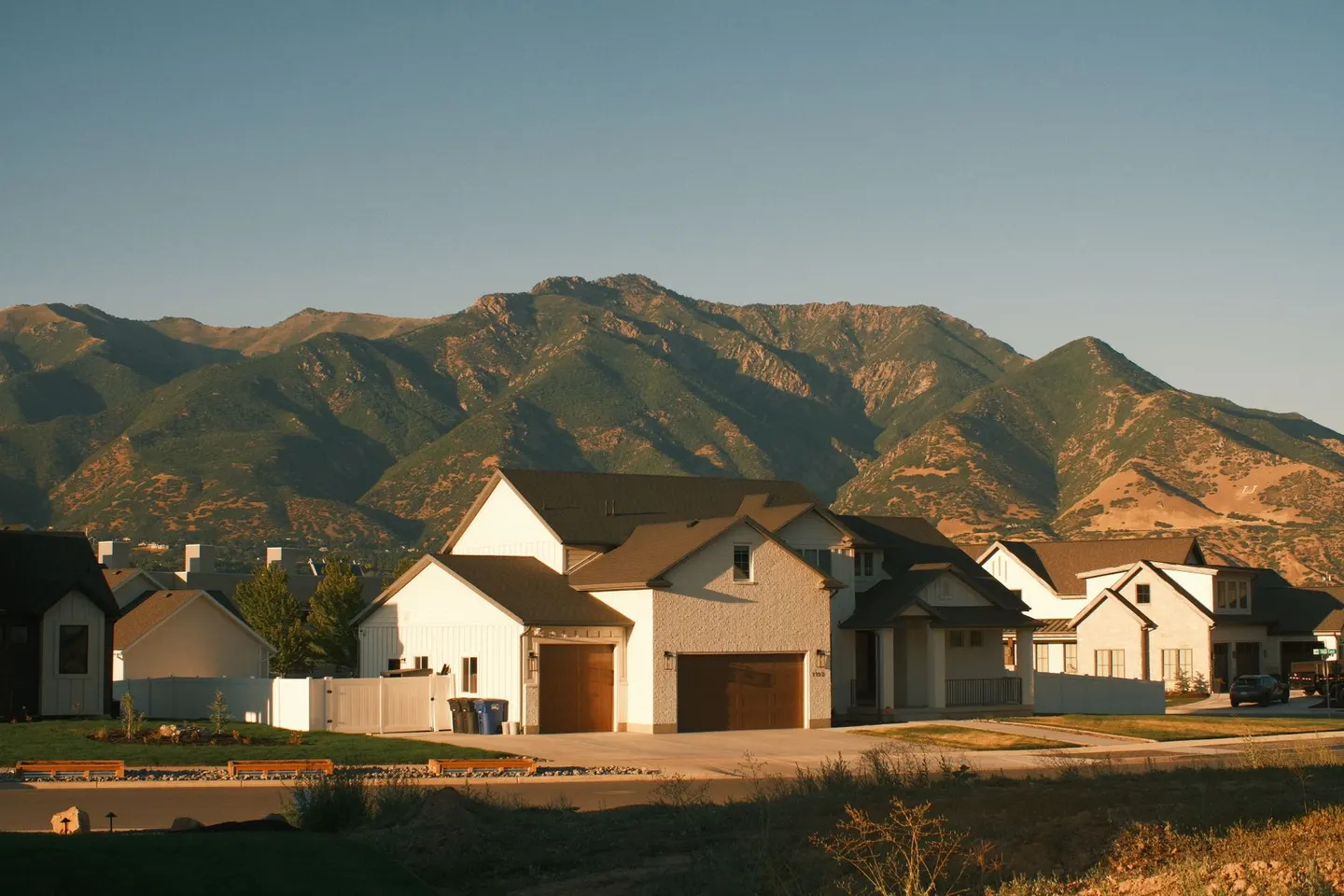
Utah has the lowest share of residents 65 and over of any state, 12.4% in 2024, or 433,073 people (Census Bureau Vintage 2024 population estimates), but that group grew 16.3% from 2020 to 2024 while the state grew 6.7%. Most Utah homes are newer than the typical US house (41 years old), the Wasatch Front gets real snow, and the stairs and the front entry matter as much as the bathroom. Contractors are licensed by the Utah Division of Professional Licensing (DOPL), with a handyman exemption for small jobs. Most Utah families pay directly; Medicaid, Medicare Advantage, long-term care insurance, VA grants and a few Utah loan and repair programs cover specific cases.
Ready to talk to a certified aging-in-place remodeler? Tell us about the home and get matched with a licensed Utah remodeler serving your area.
Utah by the numbers
- 433,073 Utahns were 65 or older on July 1, 2024, 12.4% of 3,503,613 (Census Bureau Vintage 2024 county estimates), against 18% nationally (USAFacts).
- The lowest share of any state (America's Health Rankings), but the 65 and over group grew 16.3% from 2020 to 2024 against 6.7% for Utah overall (same Census file).
- Salt Lake County has the most seniors, 152,296 (12.5%). Washington County (St. George) has the highest share of any large county, 22.5%. Iron County (Cedar City) is growing fastest among counties over 50,000 people, up 26.1% since 2020 (Census Vintage 2024).
- Median year built: Weber 1983, Salt Lake 1985, Davis 1993, Utah County 1999, Washington 2002 (ACS 2023 5-year data via Stacker).
In short: Salt Lake County by count, St. George by share, both growing faster than the state.
Why Utah homes are different
Basements, split-entries and stairs. Utah homes commonly have a full basement, and many 1960s to 1980s houses are split-entry plans with stairs up and down from the front door. Salt Lake and Weber counties (median build years 1985 and 1983) are full of them, hence the demand for a stair lift or a main-floor bedroom and bath.
Snow and ice at the door. Salt Lake City gets heavy snow most winters, and the bench neighborhoods get more. A covered, zero-step entry with handrails on both sides matters more here.
Brick bearing walls and earthquakes. FEMA puts the chance of a magnitude 6.75 or greater Wasatch Front earthquake within 50 years at 43% and counts more than 140,000 unreinforced masonry buildings in the region; a state handbook flags pre-1970 brick bearing walls as the highest risk and suggests retrofitting during a remodel. Widening a door in such a wall needs engineering, so plan widened doorways accordingly.
Newer homes in the south and in Utah County. Washington County (median year built 2002) and Utah County (1999) tend to have wider halls and open plans, but the bathrooms still have a tub with a curb, so the common job is the bathroom safety remodel. Utah's statewide code is the 2021 International Residential Code with Appendix AQ (HB 313, 2025); cities and counties issue permits.
Checking a Utah contractor's license
The Utah Division of Professional Licensing (DOPL) licenses contractors. A remodeler holds a B100 General Contractor or R100 Residential/Small Commercial Contractor license (2 years, or 4,000 hours, of construction experience plus the Utah Business and Law exam). Electrical (E200/E201) and plumbing (P200/P201) are separate licenses.
Utah also has a real handyman exemption (Utah Code 58-55-305, current version): no contractor license for alteration, repair or remodeling work under $7,000 including labor and materials, and over $3,000 the person must have filed a one-time affirmation with DOPL that they carry public liability insurance. Plumbing or electrical system work still needs the licensed trade. So grab bars and lever handles can legally be a handyman job; a curbless shower usually cannot.
Check the DOPL license lookup (secure.utah.gov) for an active B100 or R100, the right trade licenses and no disciplinary actions; for a job under $7,000, ask whether the insurance affirmation is on file. Utah's Residence Lien Recovery Fund protected homeowners from subcontractor liens, but DOPL has said it is depleted; ask DOPL what applies, sign a written contract, and keep proof you paid in full. CAPS training is a plus, not a substitute. Our guide on how to choose an aging-in-place remodeler has the full checklist.
Who pays in Utah
Most Utah families pay directly, from savings, home equity or siblings splitting the cost: no pre-approval, your choice of contractor, no waiting. Paying out of pocket covers the tools.
- Medicare and Medicare Advantage. Original Medicare pays nothing toward home modifications. Some Medicare Advantage plans add a bathroom safety allowance; structural work is rarely covered.
- Long-term care insurance. Many long-term care insurance policies include a capped home modification benefit, with pre-approval.
- Medicaid. Ask the Utah Department of Health and Human Services, Division of Integrated Healthcare (the state Medicaid agency), what Medicaid home modification coverage exists for someone who qualifies and whether there is a waitlist.
- Veterans. The VA's HISA grant pays for medically necessary alterations prescribed by a VA clinician, with larger SAH and SHA grants for qualifying service-connected disabilities.
- Utah programs. No statewide home-accessibility grant exists. The Utah Assistive Technology Foundation makes loans of $1,000 to $50,000 for home modifications and lifts, pays half the interest up to $2,500, and needs no proof of disability (1-800-524-5152). In Salt Lake City, the ASSIST Community Design Center installs grab bars, curbless showers and ramps at no cost for income-qualified homeowners (801-355-7085), and the city's Home Maintenance and Minor Repair program covers up to $1,500 for residents 62 and over under 80% of area median income (801-535-7228). The Olene Walker Housing Loan Fund funds owner-occupied rehabilitation through regional Associations of Governments; terms. Rebuilding Together has no Utah affiliate.
The Utah Division of Aging and Adult Services (DAAS) is the state unit on aging (801-538-3910). Its 12 regional Area Agencies on Aging cover all 29 counties; find yours on the DAAS locations map or by dialing 211.
Where we work in Utah
Salt Lake City. Salt Lake County: 152,296 residents 65 and over, 12.5% of the county. See Salt Lake City.
St. George. Washington County: 46,731 residents 65 and over, 22.5%, the state's retirement market. See St. George.
Provo and Orem. Utah County: 60,798 residents 65 and over, only 8.1% of a young county, but up 19.3% since 2020. See Provo and Orem.
Ogden and Davis County. Weber County: 35,808 residents 65 and over (13.0%); Davis County: 44,182 (11.7%). See Ogden and Davis County.
Elsewhere in Utah, request a match anyway; a certified aging-in-place remodeler serving your area will reach out once matched.
What it costs in Utah
National installed ranges (2022 to 2026 estimates, not quotes): $2,500 to $9,000 for a curbless shower, $6,600 to $28,000 for a full accessible bathroom, $3,000 to $20,000 for a stair lift, $875 to $5,000 for an entrance ramp. Wasatch Front construction costs track near the national average. Get 3 written local quotes and read the cost guide.
Ready to talk to a certified aging-in-place remodeler? Request a match and talk to a licensed Utah remodeler serving your area.
Cities and counties
Local guides for Utah
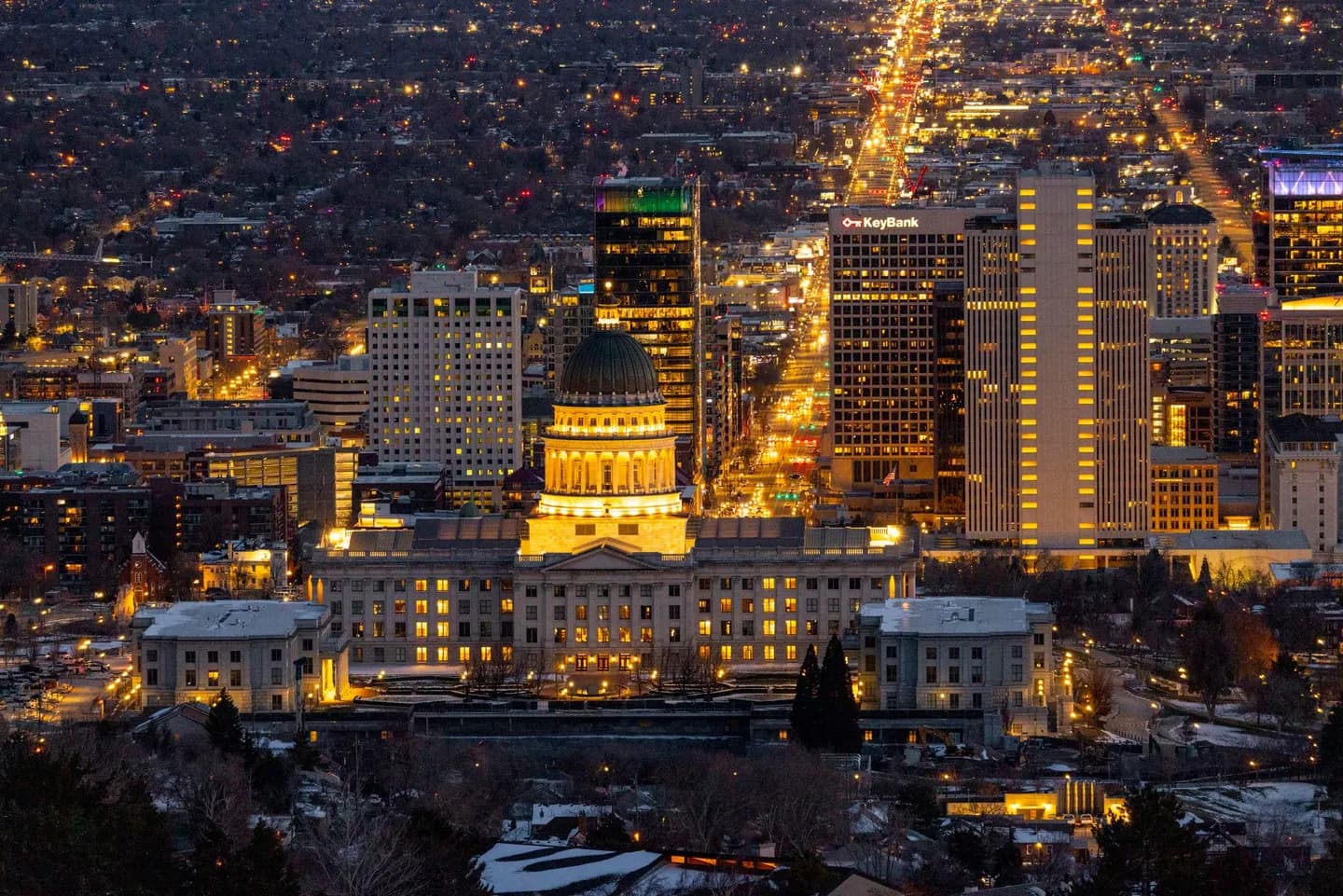
Salt Lake City
Aging-in-place remodeling in Salt Lake City: split-entry stairs, snow at the door, old brick walls, DOPL licensing, and who pays in Salt Lake County.
Read the guide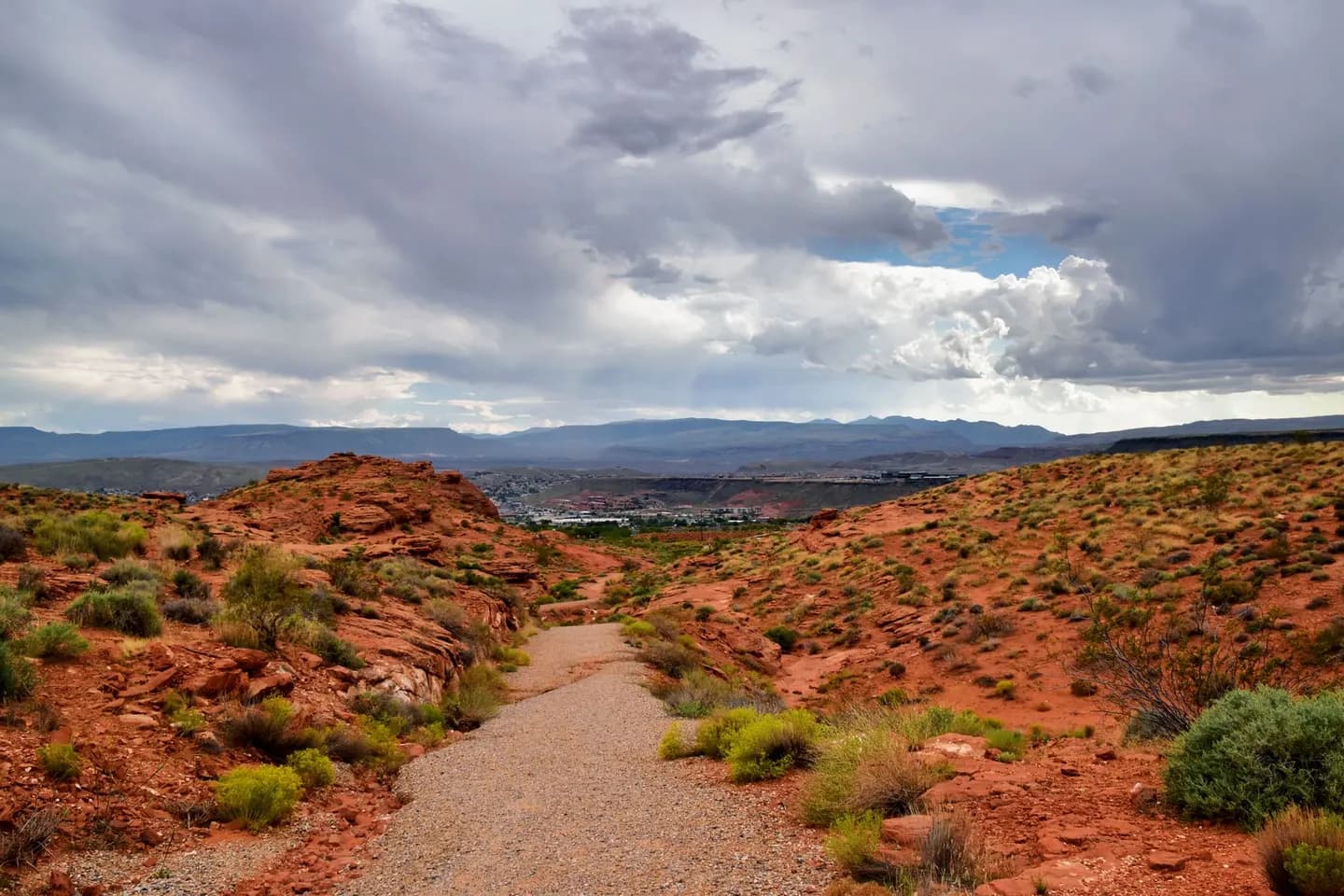
St. George
Aging-in-place remodeling in St. George: Utah's retirement market, newer homes, desert heat and tile floors, DOPL licensing, and who pays in Washington County.
Read the guide
Provo and Orem
Aging-in-place remodeling in Provo and Orem: Utah County's fast-growing seniors, newer two-story homes, DOPL licensing, the Mountainland agencies, and who pays.
Read the guide
Ogden and Davis County
Aging-in-place remodeling in Ogden and Davis County: old brick homes, snow, earthquake retrofits, DOPL licensing, and who pays in Weber and Davis counties.
Read the guide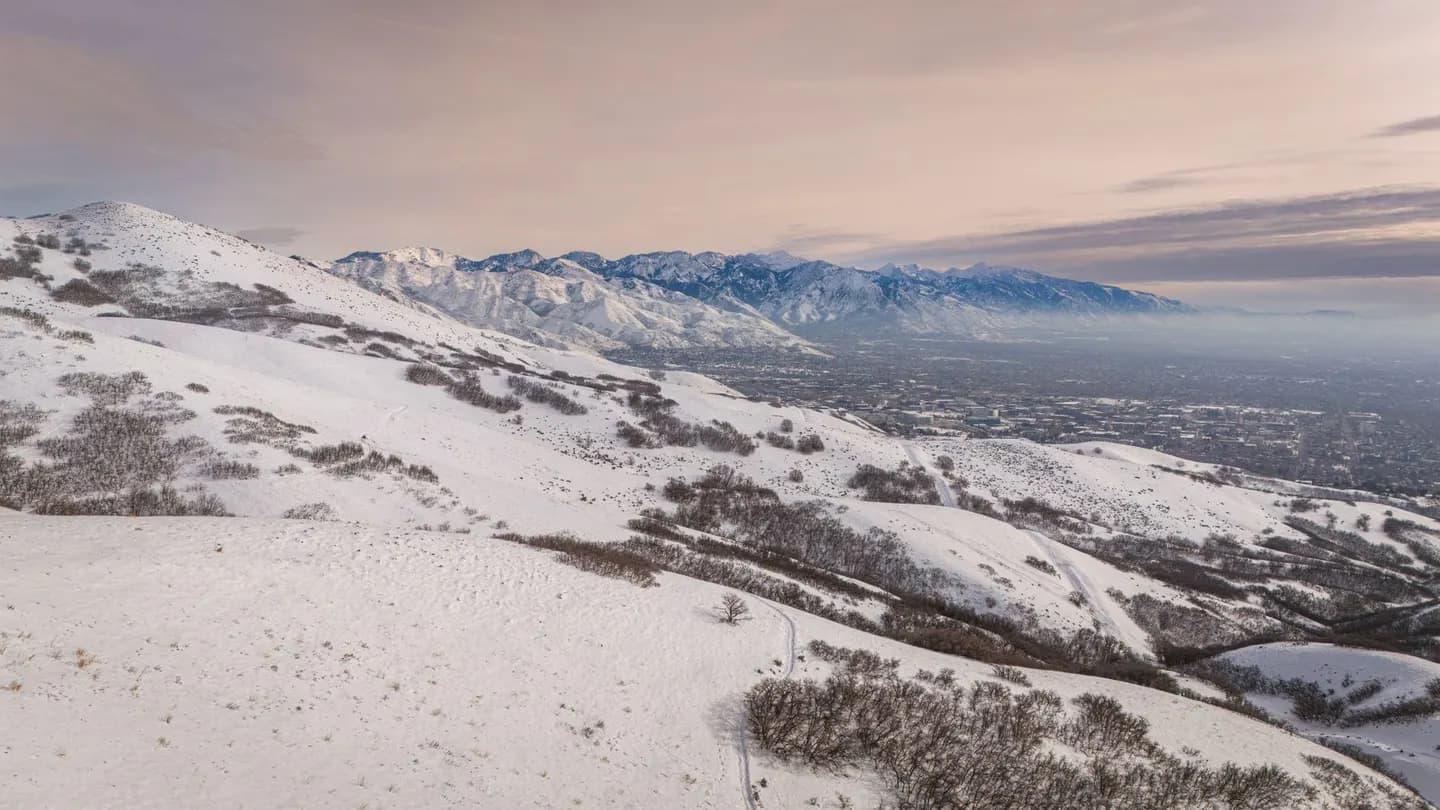
Holladay
Aging-in-place remodeling in Holladay, Utah: 1969-era ramblers and split-levels, brick walls, snow at the door, DOPL licensing, who pays in Salt Lake County.
Read the guide
Sandy
Aging-in-place remodeling in Sandy, Utah: 1985-era two-story and split-entry homes, stair lifts, snow at the door, DOPL licensing, who pays in Salt Lake County.
Read the guideQuestions people ask
How many seniors live in Utah?
433,073 Utahns were 65 or older in 2024, 12.4% of the state and the lowest share of any state (Census Bureau Vintage 2024 estimates). That group grew 16.3% from 2020 to 2024, more than twice as fast as the state as a whole.
Do I need a licensed contractor for an aging-in-place remodel in Utah?
For most of it, yes. The Utah Division of Professional Licensing (DOPL) issues the B100 and R100 contractor licenses, and plumbing and electrical need separate licenses. Work under $7,000 including materials can be done without a contractor license under Utah's handyman exemption, but plumbing and electrical system work still needs a licensed trade.
Where are most of Utah's seniors?
Salt Lake County has the most, 152,296, at 12.5% of the county. Washington County (St. George) has the highest share of any large county at 22.5%, and Iron County (Cedar City) is growing fastest among counties over 50,000 people, up 26.1% since 2020.
Does Utah have a program that pays for home modifications for seniors?
There is no statewide grant. The Utah Assistive Technology Foundation makes loans of $1,000 to $50,000 for home modifications and pays half the interest up to $2,500, Salt Lake City runs a minor repair program worth up to $1,500 for residents 62 and over under income limits, and your Area Agency on Aging knows what else exists in your county.
Does Medicaid pay for home modifications in Utah?
Utah Medicaid is run by the Utah Department of Health and Human Services, Division of Integrated Healthcare. Ask it what home modification coverage exists for someone who qualifies financially and medically, and whether there is a waitlist. Most Utah families pay directly.
What does aging-in-place remodeling cost in Utah?
National ranges are the right starting point: $2,500 to $9,000 for a curbless shower, $6,600 to $28,000 for a full accessible bathroom, $3,000 to $20,000 for a stair lift, $875 to $5,000 for a ramp. Get 3 written local quotes.
Free, no obligation
Tell us about the home. We match you with a certified aging-in-place remodeler.
A few questions about your project. We never charge homeowners, and we never sell your information.