Pennsylvania
Aging-in-Place Remodeling in Pennsylvania: Homes, Licenses, Who Pays
Aging-in-place remodeling in Pennsylvania: why old two-story homes need stair lifts and first-floor baths, how to check a HICPA registration, and who pays.
Updated 2026-09-02. Reviewed against our editorial standards.
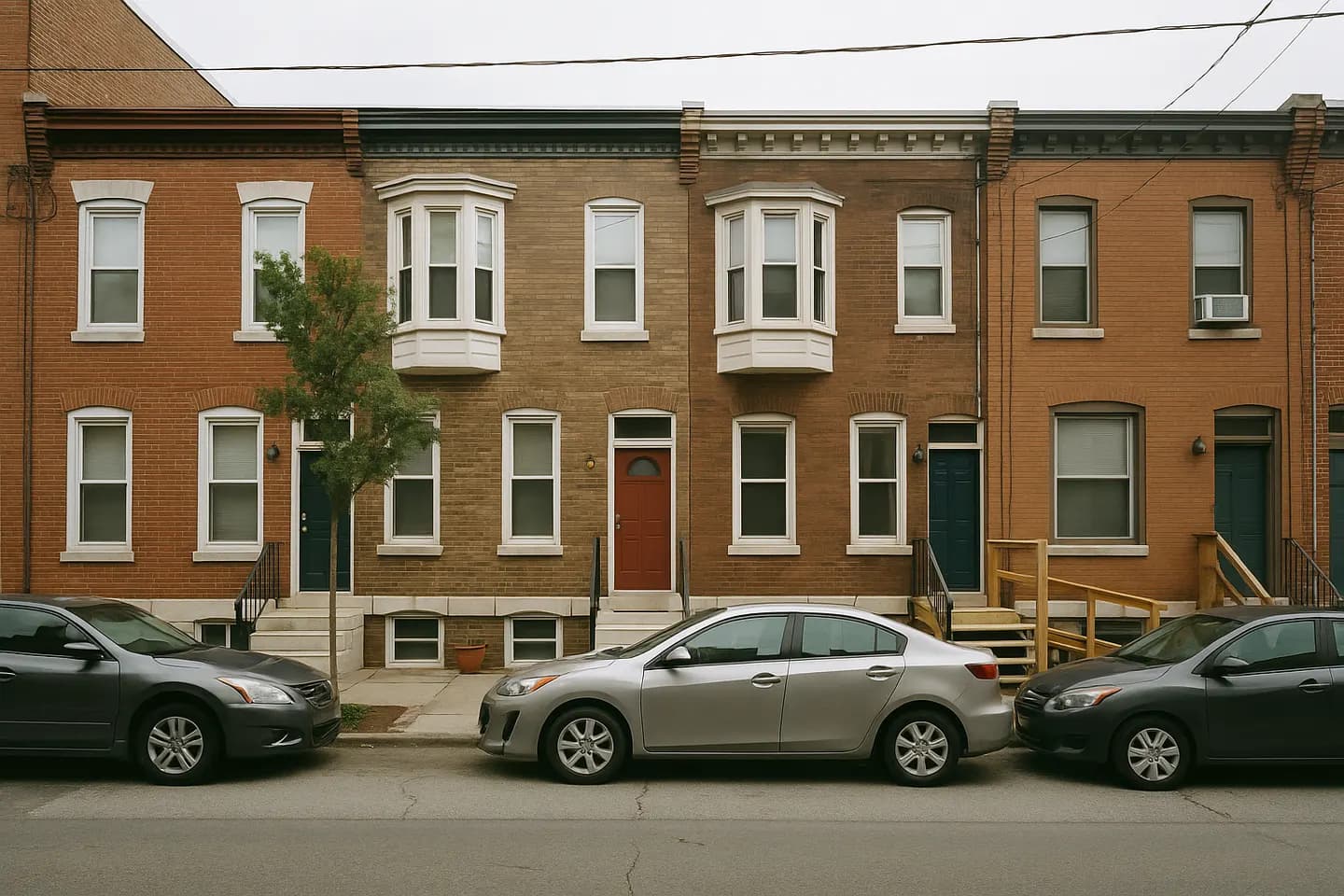
Pennsylvania had 2,665,932 residents 65 and over on July 1, 2024, 20.4% of the state, according to the Census Bureau's Vintage 2024 county estimates. The homes are old (median year built 1964, about a quarter from before 1940), so the usual job is entry steps, narrow doorways, a staircase between the bedroom and everything else, and a bathroom as old as the house. There is no statewide contractor license; contractors register with the Attorney General under the Home Improvement Consumer Protection Act (HICPA), and Philadelphia and Pittsburgh add their own trade licenses. Most Pennsylvania families pay directly, with Medicaid, Medicare Advantage, long-term care insurance, VA grants and a few state and local programs covering specific cases.
Ready to talk to a certified aging-in-place remodeler? Tell us about the home and get matched with a registered Pennsylvania remodeler serving your area.
Pennsylvania by the numbers
- 2,665,932 Pennsylvanians were 65 or older in July 2024, 20.4% of the state (Census Bureau Vintage 2024 county estimates).
- That is 254,974 more than in April 2020, up 10.6% in 4 years (same file; the Pennsylvania State Data Center reports the same).
- The median Pennsylvania home was built in 1964, the fourth oldest stock in the country; about a quarter of occupied homes predate 1940 (PHFA 2023 housing study, via Pennsylvania Realtors).
- Allegheny County (Pittsburgh) has the largest county count of residents 65 and over, 260,548 (21.2%); Philadelphia County is next at 242,489 (15.4%) (Census, 2024).
Why Pennsylvania homes are different
Old houses, upstairs bathrooms. In Philadelphia rowhomes and the older boroughs across the state, the typical house has several entrance steps, narrow halls and doorways, and no first-floor bathroom (WHYY); basements are common and the only full bath is usually upstairs. So the biggest projects are a stair lift or a main-floor bedroom and bath.
Pre-war wiring, plumbing and doorways. Houses from before the war often still carry knob-and-tube wiring and galvanized pipe, so a bathroom remodel that opens a wall can turn into a rewiring or repiping line item. Pre-war doors rarely give the 32 to 36 inch clear opening a wheelchair needs, which makes widened doorways and hallways a normal line on a quote.
Winter. Ice on stoops and sloped walks makes a covered, railed entry a frequent request; a ramp or step-free entry here has to shed water and survive a shovel.
Permits set by the township. The Uniform Construction Code is administered locally by more than 90% of Pennsylvania's 2,562 municipalities (Pennsylvania Housing Research Center), so permit rules and fees depend on the township.
Checking a Pennsylvania contractor's license
Pennsylvania has no statewide contractor license. Anyone who performs at least $5,000 of home improvements a year must register with the Office of Attorney General under HICPA ($100 every 2 years); those under $5,000 in the previous tax year are exempt, which is how a handyman hanging a few grab bars can be legally unregistered. Anyone remodeling a bathroom is not.
Registration confirms identity and insurance (at least $50,000 of personal injury and $50,000 of property damage coverage), not skill. Verify the number at the Attorney General's Home Improvement Contractor search (only active registrations show), ask for the insurance certificate, and call 1-888-520-6680 with questions.
HICPA also requires a written contract for any job over $500, showing the registration number, start and finish dates, specifications, the total price with the down payment listed separately from special-order materials, the Attorney General's toll-free number and your 3-business-day right to cancel. On contracts over $5,000 the deposit may not exceed one-third of the price plus special-order materials, and nothing can be demanded before signing.
Electrical and plumbing licenses are municipal and do not transfer; Philadelphia and Pittsburgh have their own. The Certified Aging-in-Place Specialist (CAPS) designation is training, not a license, and a good sign on top of it. Our guide on how to choose an aging-in-place remodeler has the full checklist.
Who pays in Pennsylvania
Most Pennsylvania families pay directly, from savings, home equity or siblings splitting the cost: no pre-approval, your choice of contractor, and work can start this week. Paying out of pocket covers the tools, including the reverse mortgage (HECM) for homeowners 62 and over.
- Medicare. Original Medicare pays nothing toward home modifications; some Medicare Advantage plans add a bathroom safety allowance (a commonly cited figure is $500 a year), and structural work is rarely covered: Medicare and Medicare Advantage.
- Long-term care insurance. Many policies include a home modification benefit tied to help with activities of daily living, with pre-approval and a cap: long-term care insurance.
- Medicaid. Pennsylvania's Medicaid agency is the Department of Human Services, Office of Medical Assistance Programs. Ask it about home modification coverage and waitlists: Medicaid waivers.
- Veterans. The VA's HISA grant pays for medically necessary alterations prescribed by a VA clinician; SAH and SHA grants cover qualifying service-connected disabilities: VA grants.
- The Department of Aging and your AAA. The Pennsylvania Department of Aging funds 52 Area Agencies on Aging covering all 67 counties; call 717-783-1550 to reach yours. Its OPTIONS program (residents 60 and over, no income requirement, sliding-scale cost share) lists home modifications as a supplemental service that depends on the local AAA. PA Link (800-753-8827) helps with funding forms.
- Loans built for this. The Pennsylvania Assistive Technology Foundation lends for ramps, roll-in showers, widened doorways and stair glides: Mini-Loans of $100 to $7,000 at 0%, larger loans at 3.75% up to $60,000, and a Mini-Grant of up to $1,000 for households at or below 200% of poverty (PATF).
- City programs and taxes. Philadelphia and Pittsburgh each run an income-tested home modification program (see their pages), and modifications made for medical reasons can be a deductible medical expense: tax deductions.
Where we work in Pennsylvania
Pittsburgh. Allegheny County has 260,548 residents 65 and over (21.2%) and the 7-county metro 527,154 (22.5%). Aging-in-place remodeling in Pittsburgh.
Philadelphia. 242,489 residents 65 and over (15.4%) in the oldest housing in the state (median year built 1949). Aging-in-place remodeling in Philadelphia.
Philadelphia suburbs. Montgomery, Bucks, Delaware and Chester counties have 527,729 residents 65 and over (19.7%). Aging-in-place remodeling in the Philadelphia suburbs.
Lancaster. Lancaster County has 115,601 residents 65 and over (20.5%). Aging-in-place remodeling in Lancaster.
Harrisburg. Dauphin County has 54,969 residents 65 and over (18.8%) and Cumberland County 53,988 (19.6%). Aging-in-place remodeling in Harrisburg.
Outside these areas, request a match anyway; there is no charge, and a certified aging-in-place remodeler serving your area will reach out once matched.
What it costs in Pennsylvania
National installed ranges from 2022 to 2026 secondary sources: a curbless shower conversion $2,500 to $9,000; a full aging-in-place bathroom $6,600 to $28,000, average near $11,000; a stair lift $3,000 to $20,000, averages $7,000 to $8,000; an entrance ramp $875 to $5,000. Philadelphia is a union-heavy metro and labor there likely runs above the national average, while Pittsburgh sits closer to it. Get 3 written local quotes; the cost guide has every range.
Ready to talk to a certified aging-in-place remodeler? Request a match and talk to a registered Pennsylvania remodeler serving your area.
Cities and counties
Local guides for Pennsylvania

Pittsburgh
Aging-in-place remodeling in Pittsburgh and Allegheny County: stair lifts and bathrooms in older two-story homes, PLI and county trade licenses, and who pays.
Read the guide
Philadelphia
Aging-in-place remodeling in Philadelphia: rowhome steps, narrow halls and upstairs baths, L&I trade licenses, the Adaptive Modifications Program, who pays.
Read the guide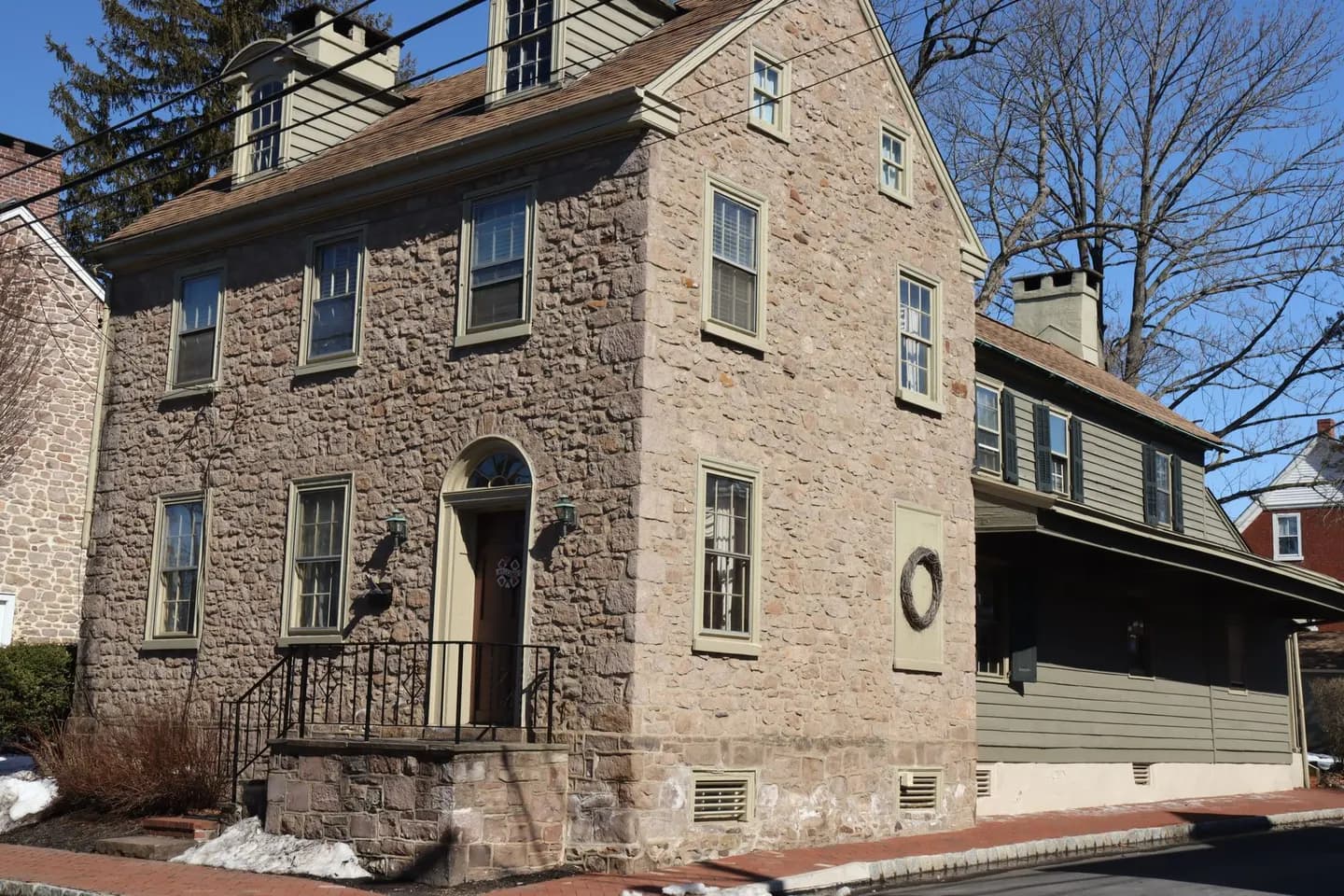
Philadelphia Suburbs
Aging-in-place remodeling in Montgomery, Bucks, Delaware and Chester counties: pre-1940 boroughs to 1980s developments, township permits, HICPA, who pays.
Read the guide
Lancaster
Aging-in-place remodeling in Lancaster County, PA: stair lifts and bathroom remodels in older homes, HICPA registration checks, township permits, who pays.
Read the guide
Harrisburg
Aging-in-place remodeling in Harrisburg, Dauphin and Cumberland counties: older homes, HICPA registration checks, township permits, state help lines, who pays.
Read the guide
Lower Makefield and Yardley
Aging-in-place remodeling in Lower Makefield and Yardley, Bucks County: 1984-era two-story homes, stair lifts, first-floor suites, HICPA rules, and who pays.
Read the guide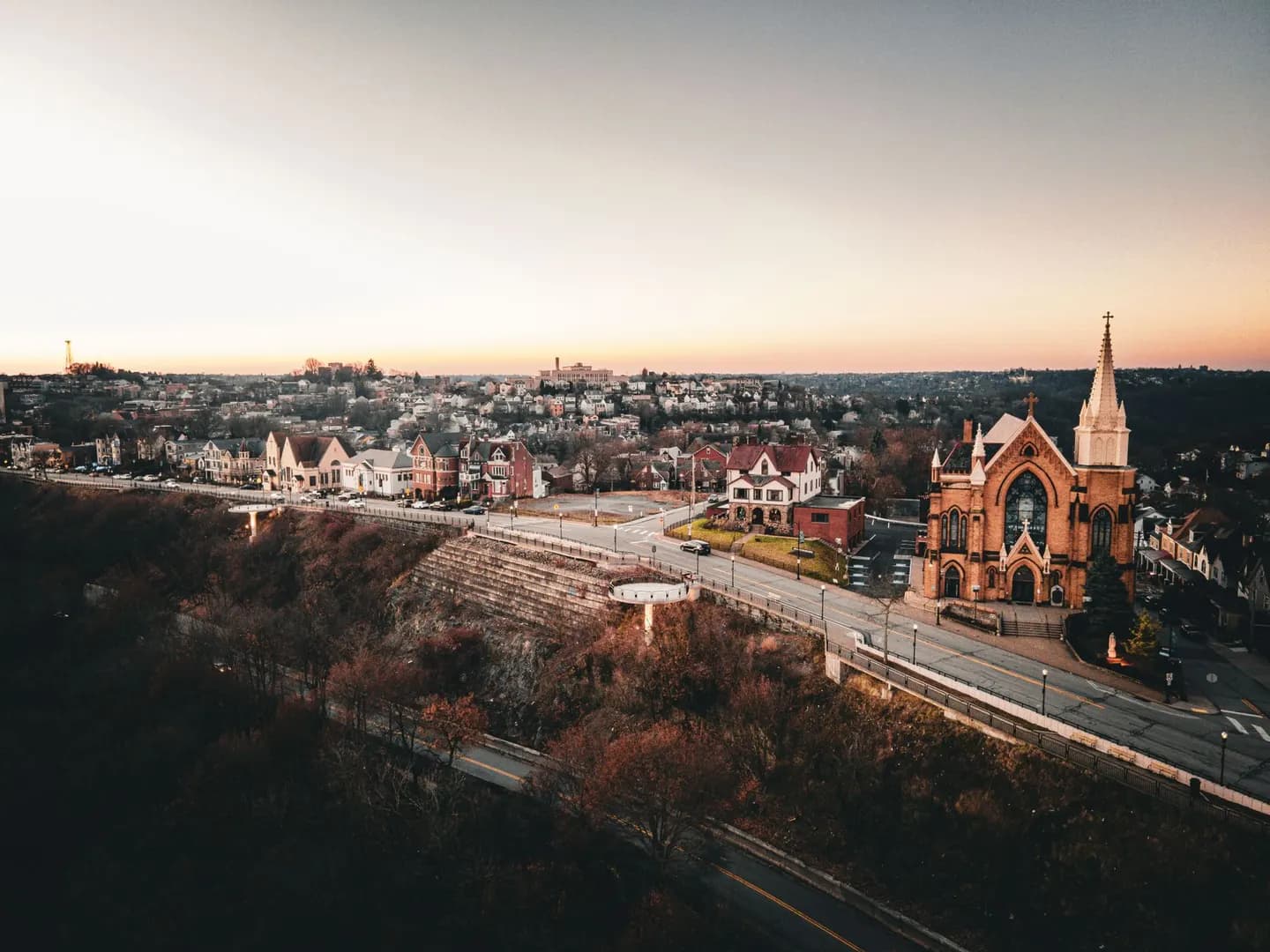
Mount Lebanon
Aging-in-place remodeling in Mount Lebanon, Pittsburgh's South Hills: 1953-era two-story homes, stair lifts, first-floor suites, HICPA rules, and who pays.
Read the guideQuestions people ask
How many seniors live in Pennsylvania?
2,665,932 Pennsylvanians were 65 or older in July 2024, 20.4% of the state, according to Census Bureau Vintage 2024 county estimates. That is nearly 255,000 more than in April 2020, growth of 10.6% in 4 years.
Does Pennsylvania license home improvement contractors?
There is no statewide contractor license. Anyone doing at least $5,000 of home improvements a year must register with the Attorney General under the Home Improvement Consumer Protection Act (HICPA), and you can check a registration at the Attorney General's Home Improvement Contractor search. Philadelphia and Pittsburgh add their own trade licenses for electrical and plumbing work.
How much deposit can a Pennsylvania contractor ask for?
On contracts over $5,000, HICPA caps the deposit at one-third of the price plus the cost of special-order materials, and no payment may be demanded before the contract is signed. Any job over $500 needs a written contract with a 3-business-day right to cancel.
Does Medicaid pay for home modifications in Pennsylvania?
State Medicaid programs can cover certain home modifications for people who qualify financially and medically, and waitlists exist. Ask the Pennsylvania Department of Human Services, Office of Medical Assistance Programs, or your Area Agency on Aging, what is covered in your situation. Most Pennsylvania families pay directly.
Why are Pennsylvania homes harder to adapt for aging in place?
The median Pennsylvania home was built in 1964 and about a quarter of occupied homes predate 1940, the fourth oldest stock in the country. Rowhomes and pre-war houses have several entrance steps, narrow halls and doorways, and bathrooms upstairs, so stair lifts, first-floor baths and widened doorways are the usual projects.
What does aging-in-place remodeling cost in Pennsylvania?
National installed estimates: $2,500 to $9,000 for a curbless shower, $6,600 to $28,000 for a full accessible bathroom, $3,000 to $20,000 for a stair lift, $875 to $5,000 for a ramp. Labor varies across the state, so get 3 written local quotes.
Free, no obligation
Tell us about the home. We match you with a certified aging-in-place remodeler.
A few questions about your project. We never charge homeowners, and we never sell your information.