Florida
Aging-in-Place Remodeling in Florida: Homes, Licenses, Who Pays
Aging-in-place remodeling in Florida: how single-story homes, tile floors and hurricane codes change the work, how to check a DBPR license, and who pays.
Updated 2026-07-27. Reviewed against our editorial standards.
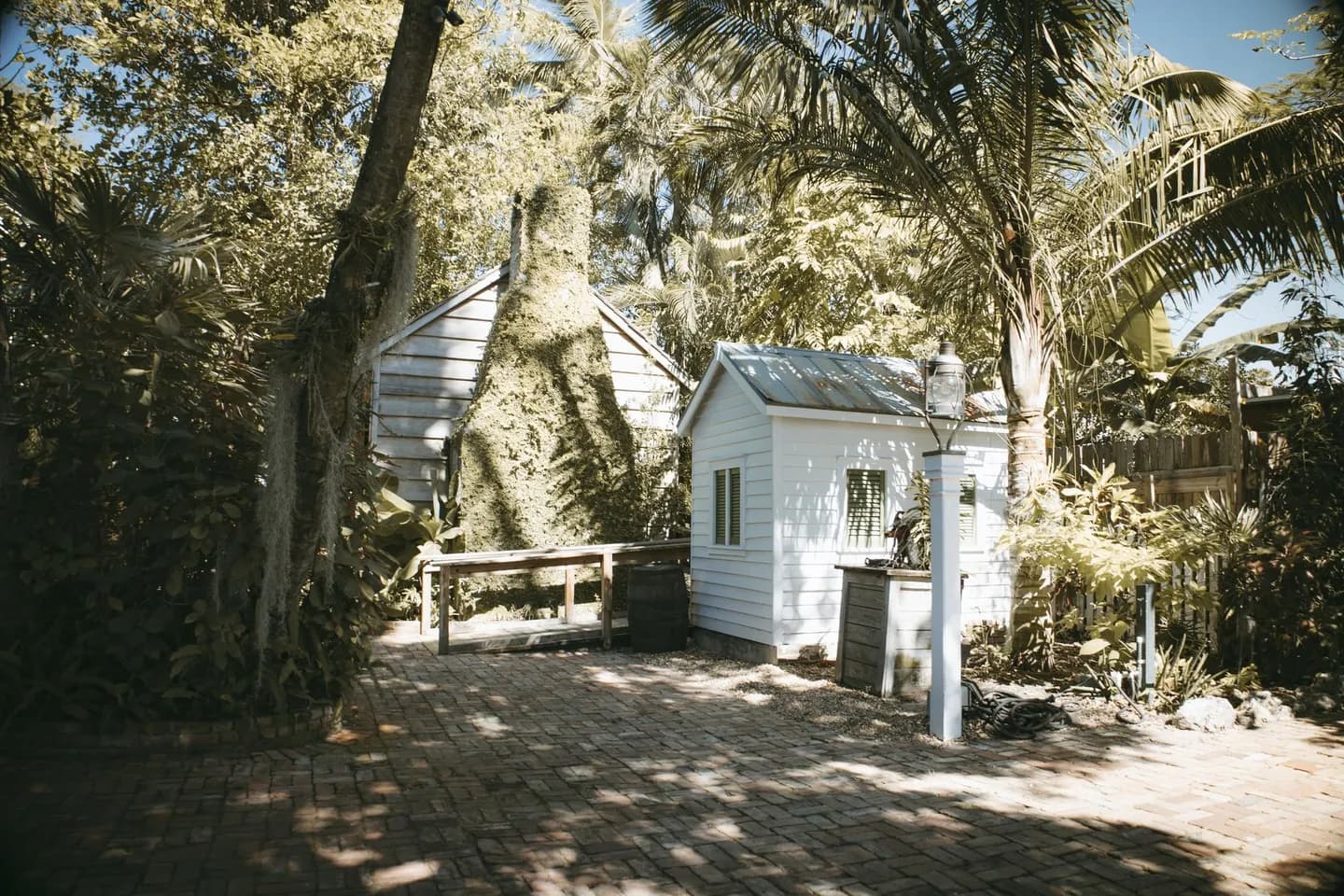
Florida has the highest share of residents 65 and over of any large state: 21.8% in 2024, or 5.09 million people (Census Bureau population estimates). Aging-in-place remodeling here is mostly about single-story homes with slick tile floors, an entry step, a bathroom from the era when the house was built (the typical US home is 41 years old), and hurricane rules that affect any door or window you touch. The work must be done by a contractor licensed through the Florida Department of Business and Professional Regulation (DBPR) when it involves structure, plumbing or electrical, and most Florida families pay for it directly, with Medicaid, Medicare Advantage, long-term care insurance and VA grants covering specific cases.
Ready to talk to a certified aging-in-place remodeler? Tell us about the home and get matched with a licensed Florida remodeler serving your area.
Florida by the numbers
- 21.8% of Floridians were 65 or older in 2024, the highest share of any large state (Census Bureau population estimates). That is 5.09 million people.
- The densest senior markets are on the Gulf coast and in South Florida: the Sarasota and Bradenton area at 33.6%, the Pinellas County side of Tampa Bay at 27.5%, and West Palm Beach to Boca Raton at 25.4% (2024).
- Nationally, 56% of remodelers do aging-in-place work and 73% say requests have increased over 5 years (NAHB, 2026).
That means experienced contractors exist here. It also means the "senior program" mailers and door knockers do, because they go where the seniors are.
Why Florida homes are different
Single-story ranch homes. Most Florida houses have no interior stairs, so the biggest aging-in-place project in the North (getting a bedroom and bath onto the main floor) is already done. The work shifts to the entry, the bathroom and the floors. Stair lifts are rarer here; a ramp or step-free entry is common.
Tile floors and humidity. Glossy ceramic and porcelain tile is everywhere in Florida, and it is slick when wet. Humidity, afternoon rain tracked in from the driveway and pool towels make wet tile a daily condition. Most falls at home involve wet floors, thresholds, stairs, poor lighting and reaching, so non-slip flooring matters more here: anti-slip treatments on existing tile, textured tile in bathrooms and at entries, and flush transitions where tile meets carpet.
Hurricane-rated doors and entries. A new exterior door or window in Florida generally has to meet the wind and impact requirements of the Florida Building Code for its location. That affects aging-in-place work in 2 ways: widening a front door to 36 inches means buying a rated door, and a step-free entry has to keep water out during a storm. Both are solvable, both belong on the quote as line items, and both call for a licensed contractor who pulls the permit.
Lanais and pool decks. The step down from the living room to the lanai is one of the most used thresholds in a Florida home and one of the most dangerous. Sliding glass door tracks are a trip edge for a walker. Threshold ramps, flush sliding door tracks and textured deck coatings all fit under ramps, entries and thresholds.
Older condo rules. A large share of Florida seniors live in condominiums, where the association controls what you can change. Flooring changes often require approval and sound-rated underlayment, exterior doors and shutters are usually common elements, and plumbing changes may need board sign-off. Get the association's alteration rules in writing before the first quote.
Licensing: how to check a Florida contractor
Contractors who do structural, plumbing or electrical work in Florida need a license from the Department of Business and Professional Regulation (DBPR): a Certified General, Building or Residential Contractor license for the remodel, with plumbing and electrical as separate licenses. Verify the name and number at the DBPR license search, and look for an active status with no open discipline. Handyman work without a license is limited to non-structural tasks, so grab bars and lever handles can be a handyman job, while a shower conversion or a widened door cannot.
The Certified Aging-in-Place Specialist (CAPS) designation from the National Association of Home Builders is a good sign on top of the license: 3 courses in aging-in-place marketing, design and solutions. It is training, not a license. Check both. Our guide on how to choose an aging-in-place remodeler has the full checklist, including the red flags.
How Floridians pay
Most Florida families pay for aging-in-place work directly, from savings, home equity or siblings splitting the cost. That is the normal path and the fastest: no pre-approval, your choice of contractor, and work can start this week. Florida does not cap deposits, but a contractor who takes more than 10% of the contract price up front must apply for permits within 30 days and start work within 90 days after they are issued (Florida Statutes 489.126), so pay by milestone and never in full up front. Paying out of pocket covers the tools, including the reverse mortgage (HECM) option for homeowners 62 and over.
The other channels, honestly:
- Medicaid. Medicaid long-term care programs differ by state. Some cover home accessibility adaptations for people who qualify financially and medically, and waitlists are common. Details on Medicaid waivers.
- Medicare Advantage. Original Medicare pays nothing toward home modifications. Some Medicare Advantage plans include a bathroom safety allowance (one commonly cited figure is up to $500 a year); structural work is rarely covered. Plans vary by county, so read the Summary of Benefits: Medicare and Medicare Advantage.
- Long-term care insurance. Many policies include a home modification benefit tied to help with activities of daily living, with pre-approval. See long-term care insurance.
- Veterans. The VA's HISA grant pays for medically necessary alterations prescribed by a VA clinician, with SAH and SHA grants for qualifying service-connected disabilities. See VA grants.
- Taxes and local help. Modifications for medical reasons can be a deductible medical expense (tax deductions). Area Agencies on Aging and groups like Rebuilding Together run local programs with income limits and waitlists.
Where we are matching first
We are building the remodeler network in the regions where Florida's seniors are concentrated, in this order:
- Tampa Bay, with the Pinellas County side (St. Petersburg and Clearwater) at 27.5% residents 65 and over.
- Sarasota and Bradenton, the highest share of the 3 regions at 33.6%.
- Palm Beach and Broward, including the West Palm Beach to Boca Raton corridor at 25.4%.
If you are outside these regions, request a match anyway. The network grows where requests come from, and everything on this site applies anywhere in the US. There is no charge to the homeowner for a match. A certified aging-in-place remodeler serving your area will reach out once matched.
Start with the house
Walk the aging-in-place checklist this weekend, or book a whole-home safety assessment with a CAPS remodeler or occupational therapist. The cost guide has every national range, and Florida labor is near the national average.
Where we work in Florida
One page per market, each with that county's homes, its licensing board, the local Area Agency on Aging and the projects that come up most. Counts are residents 65 and over on July 1, 2024 (Census Bureau population estimates, Vintage 2024).
Tampa Bay. Hillsborough County, 245,345 residents 65 and over, 15.5% of the county. See aging-in-place remodeling in Tampa Bay.
St. Petersburg and Clearwater. Pinellas County, 265,672 residents 65 and over, 27.5% of the county, with the oldest housing of Florida's big markets. See aging-in-place remodeling in St. Petersburg and Clearwater.
Sarasota and Bradenton. Sarasota and Manatee counties, 314,073 residents 65 and over, 33.6% of the 2 counties. See aging-in-place remodeling in Sarasota and Bradenton.
West Palm Beach and Boca Raton. Palm Beach County, 401,812 residents 65 and over, 25.4% of the county, the second-largest count in Florida. See aging-in-place remodeling in West Palm Beach and Boca Raton.
Fort Lauderdale. Broward County, 379,323 residents 65 and over, 18.6% of the county, inside the High-Velocity Hurricane Zone. See aging-in-place remodeling in Fort Lauderdale.
Fort Myers and Cape Coral. Lee County, 248,159 residents 65 and over, 28.8% of the county. See aging-in-place remodeling in Fort Myers and Cape Coral.
Naples. Collier County, 142,767 residents 65 and over, 34.3% of the county. See aging-in-place remodeling in Naples.
The Villages. Sumter County, 88,546 residents 65 and over, 57.2% of the county, the highest share of any county in the United States. See aging-in-place remodeling in The Villages.
Miami. Miami-Dade County, 488,281 residents 65 and over, 17.2% of the county, the largest count in Florida and the seventh-largest of any US county. See aging-in-place remodeling in Miami.
Ready to talk to a certified aging-in-place remodeler? Request a match and talk to a licensed Florida remodeler serving your area.
Cities and counties
Local guides for Florida
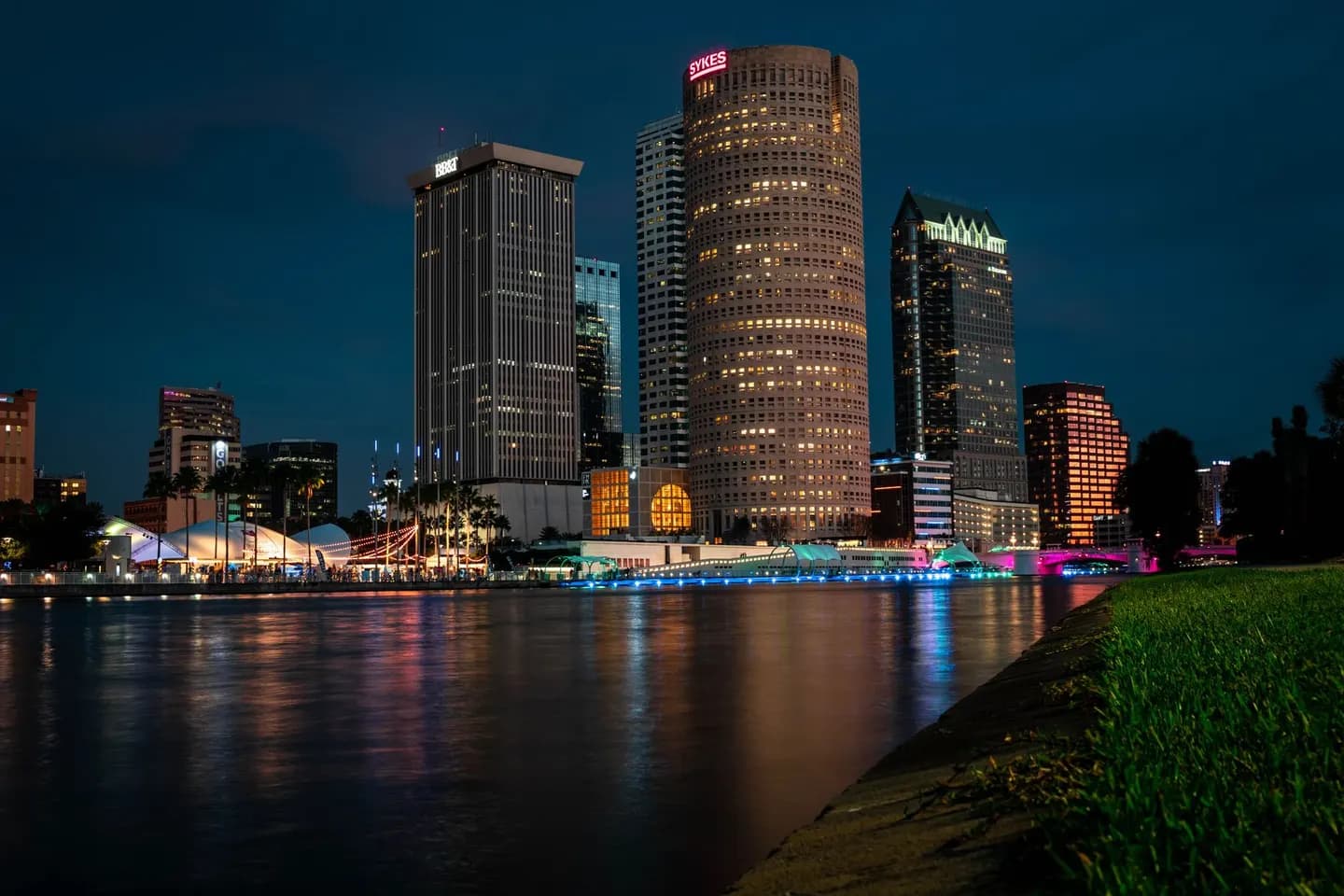
Tampa Bay
Aging-in-place remodeling in Tampa, Brandon and the Pasco edge: 245,345 Hillsborough residents 65 and over, 1991-era block homes, county licensing, who pays.
Read the guide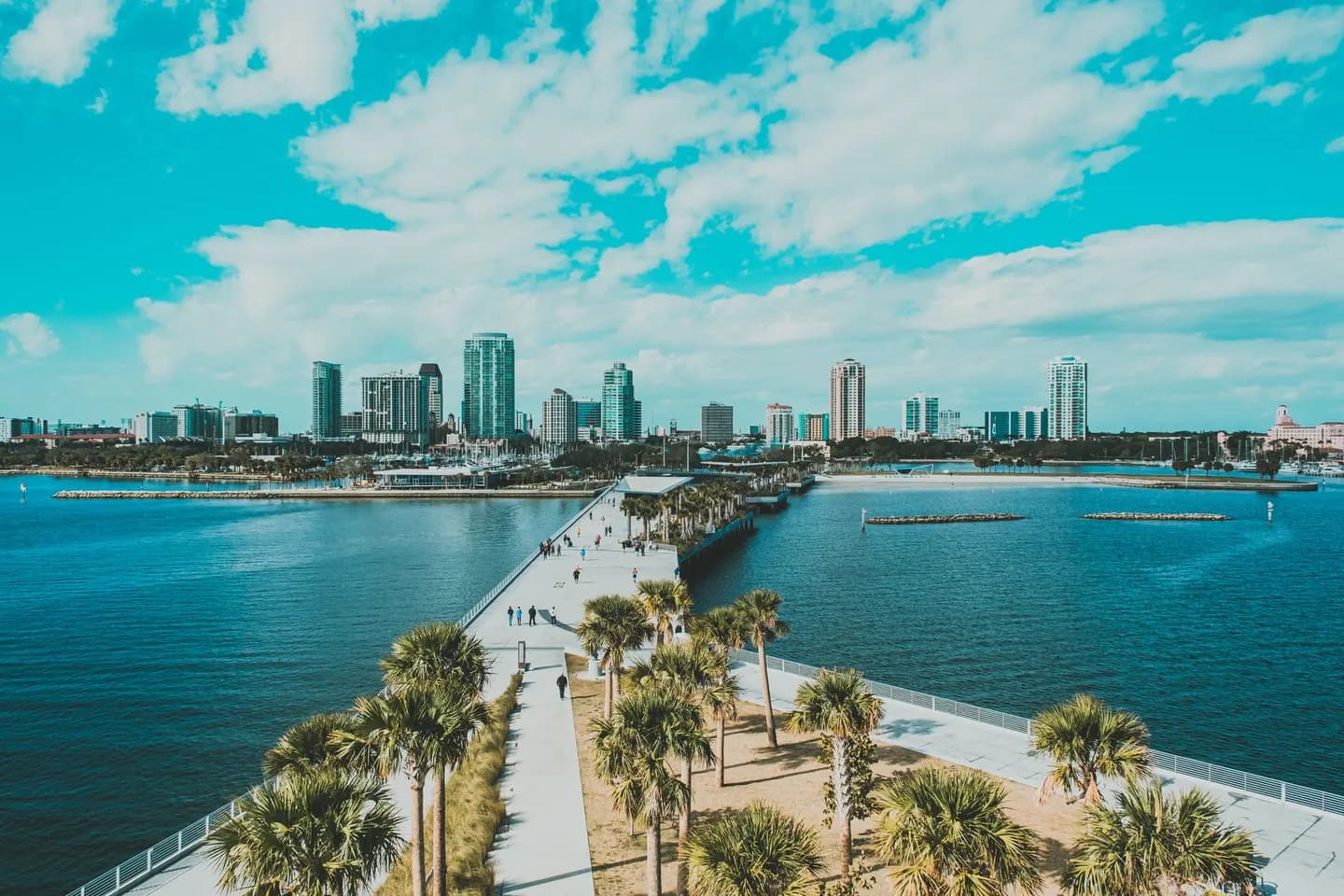
St. Petersburg and Clearwater
Aging-in-place remodeling in St. Petersburg and Clearwater: 265,672 Pinellas residents 65 and over, 1977-era block homes, PCCLB license checks, who pays.
Read the guide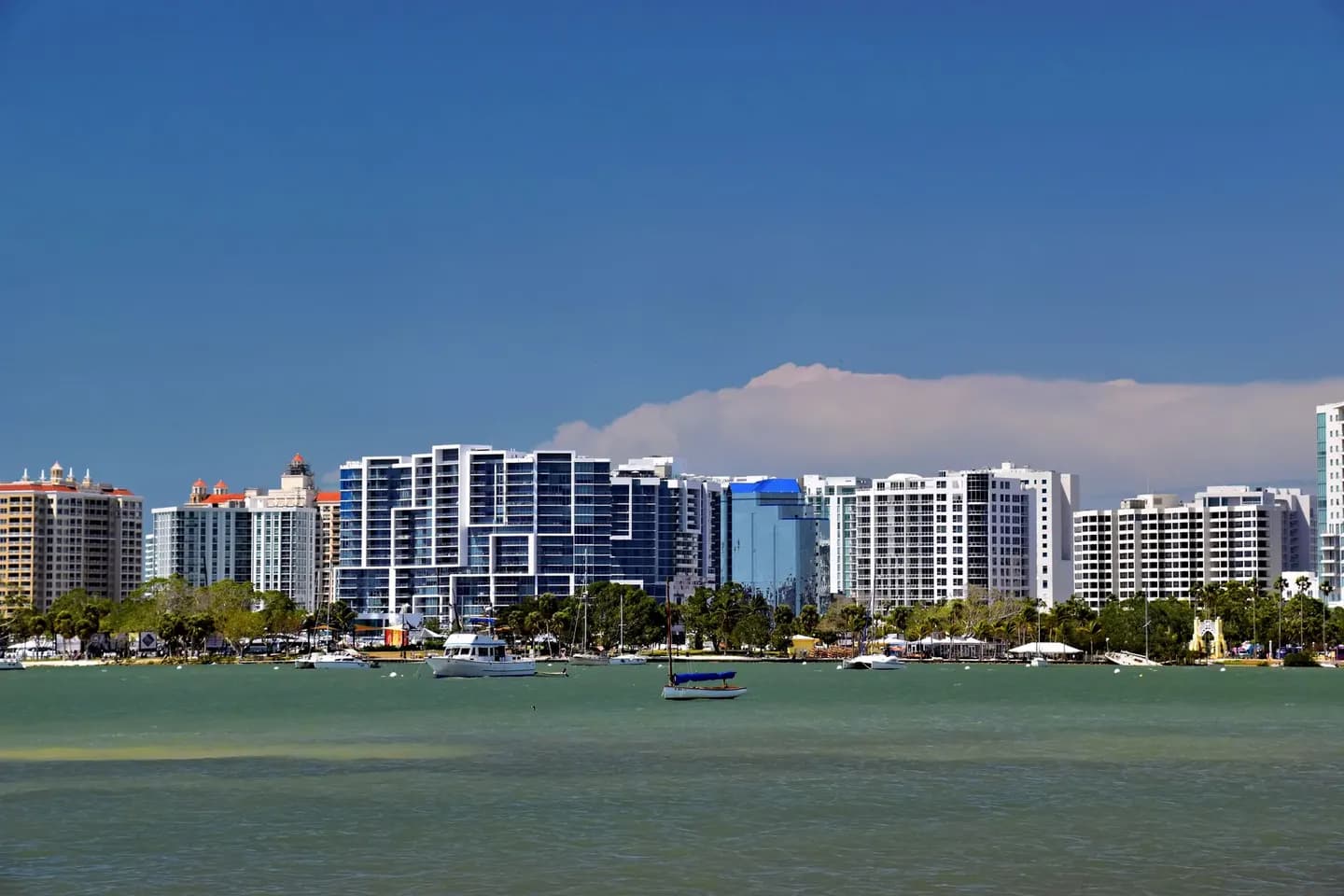
Sarasota and Bradenton
Aging-in-place remodeling in Sarasota and Bradenton: 314,073 residents 65 and over, 1988 to 1991 block homes, county license checks, flood rules, who pays.
Read the guide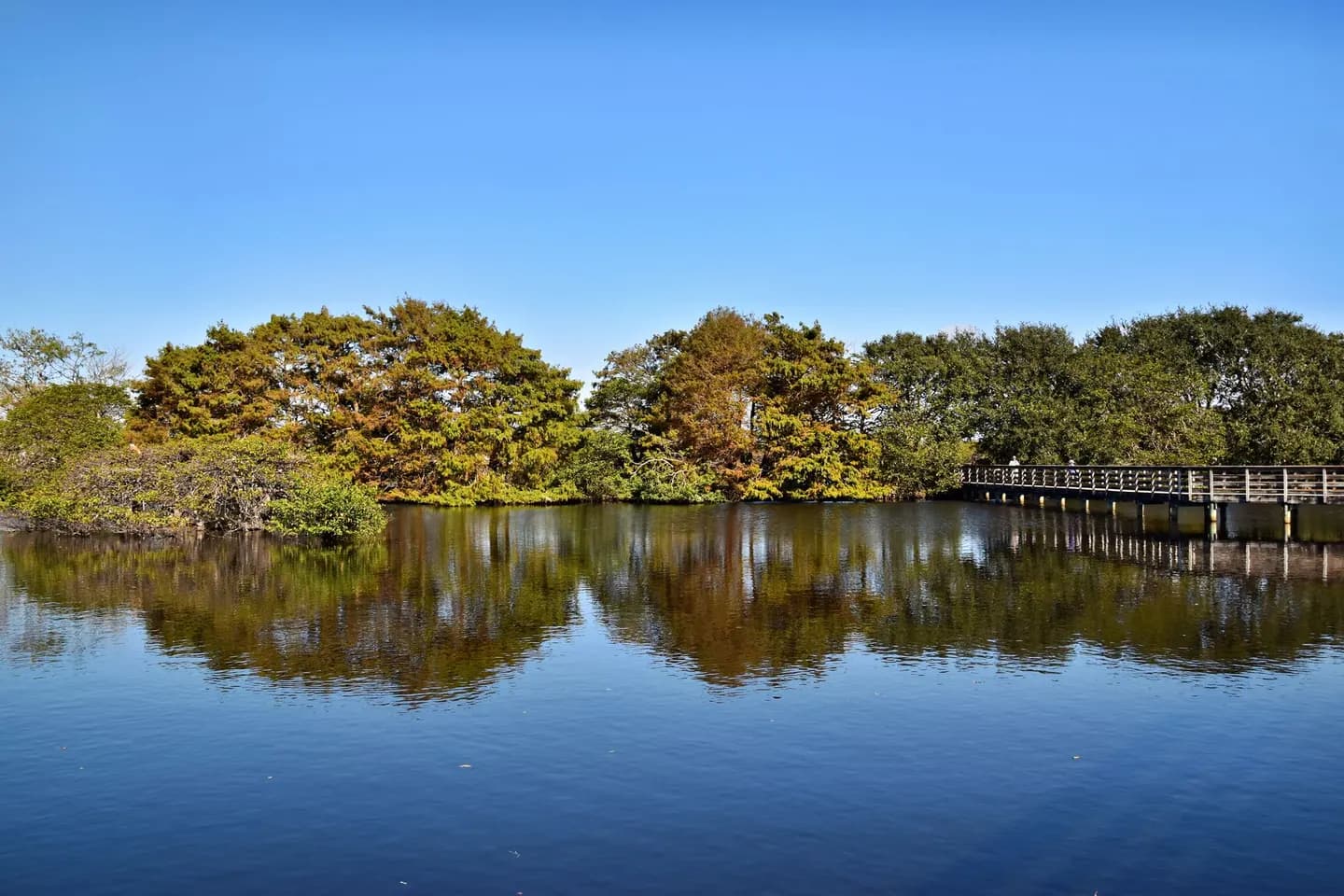
West Palm Beach and Boca Raton
Aging-in-place remodeling in Palm Beach County: 401,812 residents 65 and over, 1980s homes with slick tile, hurricane-rated doors, county licensing, who pays.
Read the guide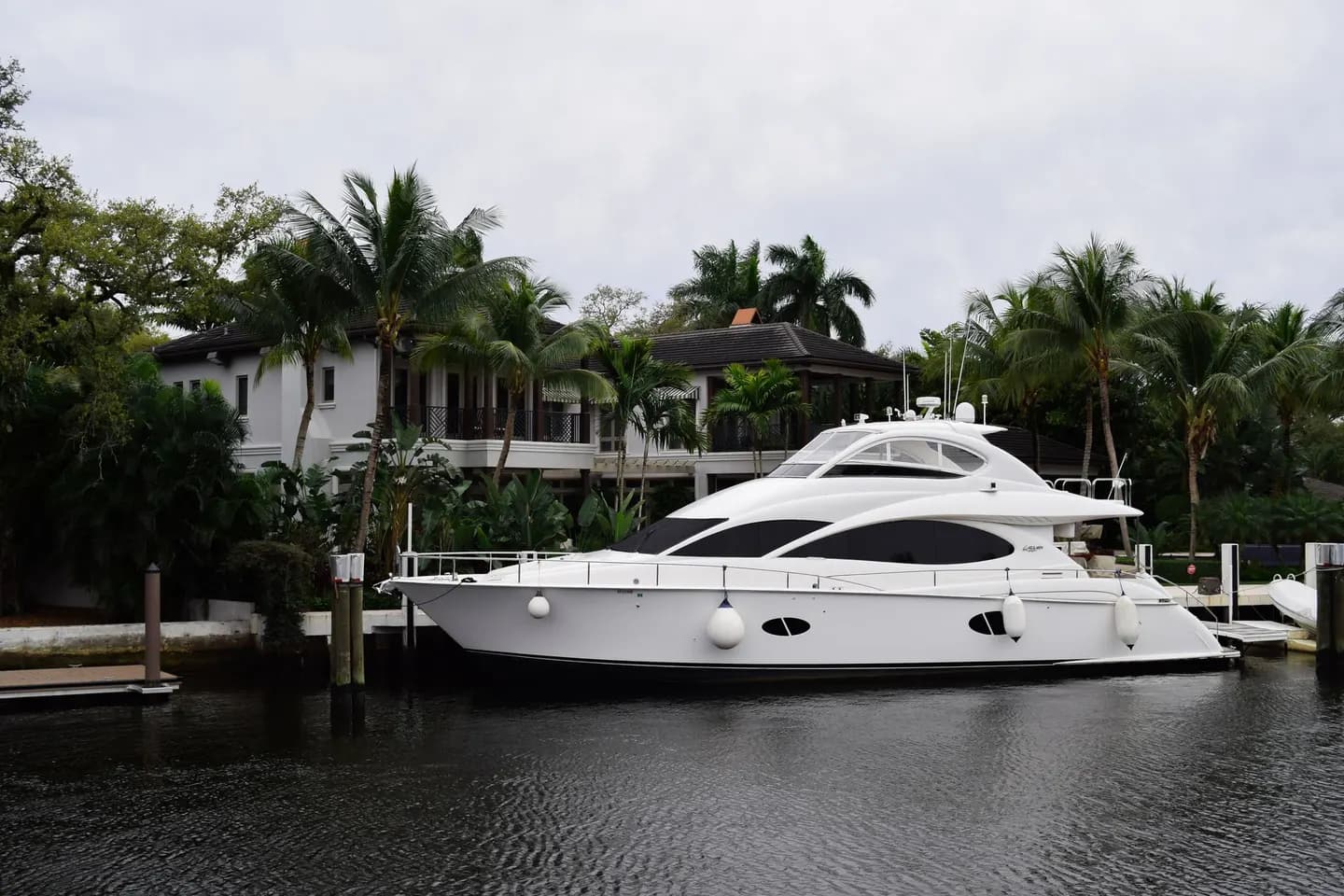
Fort Lauderdale
Aging-in-place remodeling in Broward County: 379,323 residents 65 and over, 1980-era homes, High-Velocity Hurricane Zone rules, county licensing, and who pays.
Read the guide
Fort Myers and Cape Coral
Aging-in-place remodeling in Fort Myers and Cape Coral: 248,159 Lee County residents 65 and over (28.8%), 1997-era homes, the flood-zone 50% rule, who pays.
Read the guide
Naples
Aging-in-place remodeling in Naples: 142,767 Collier County residents 65 and over, 1996-era homes, HOA and flood-zone rules, county license checks, who pays.
Read the guide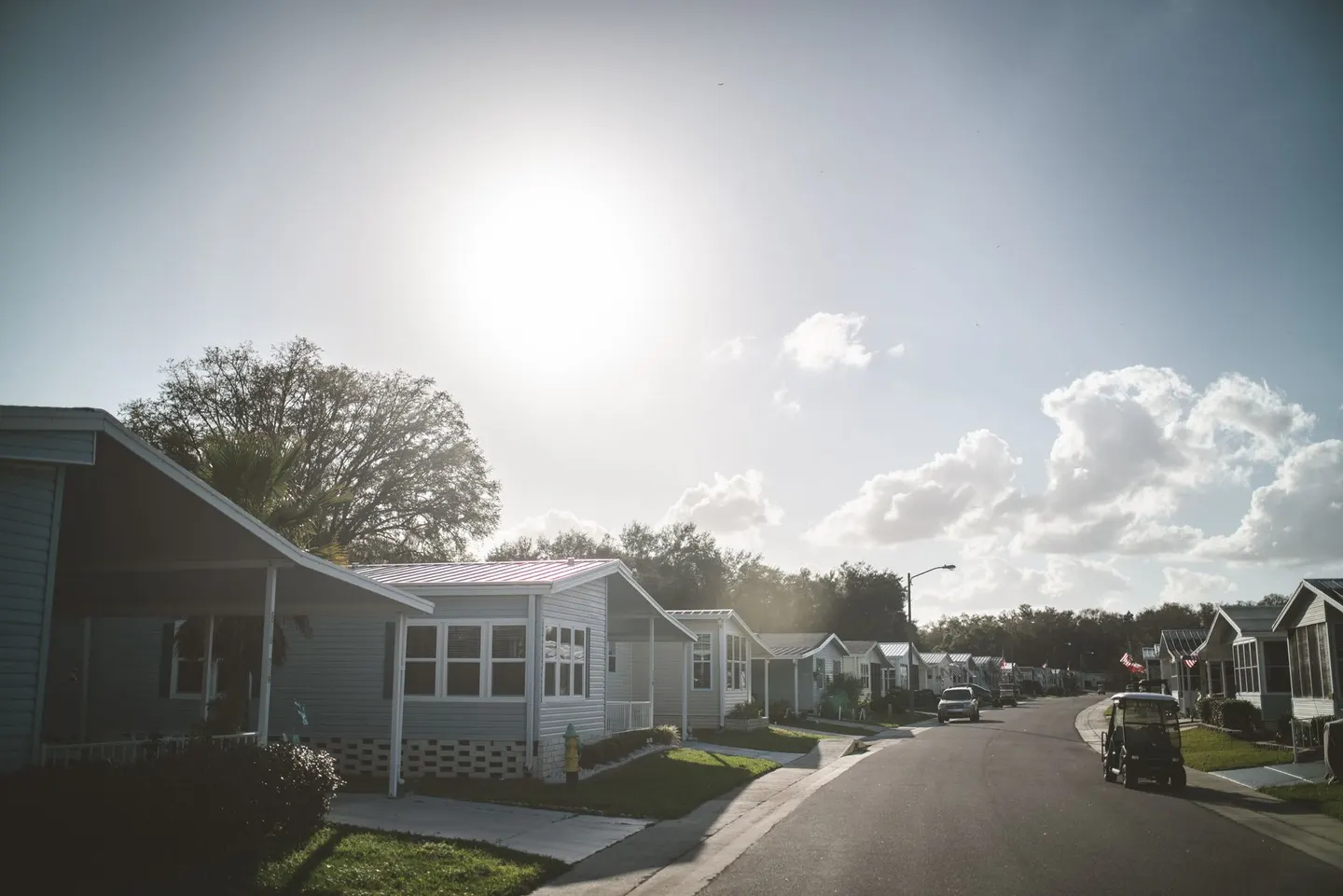
The Villages
Aging-in-place remodeling in The Villages and Sumter County, where 57.2% of residents are 65 or older: 2000s homes, builder bathrooms, licensing, who pays.
Read the guide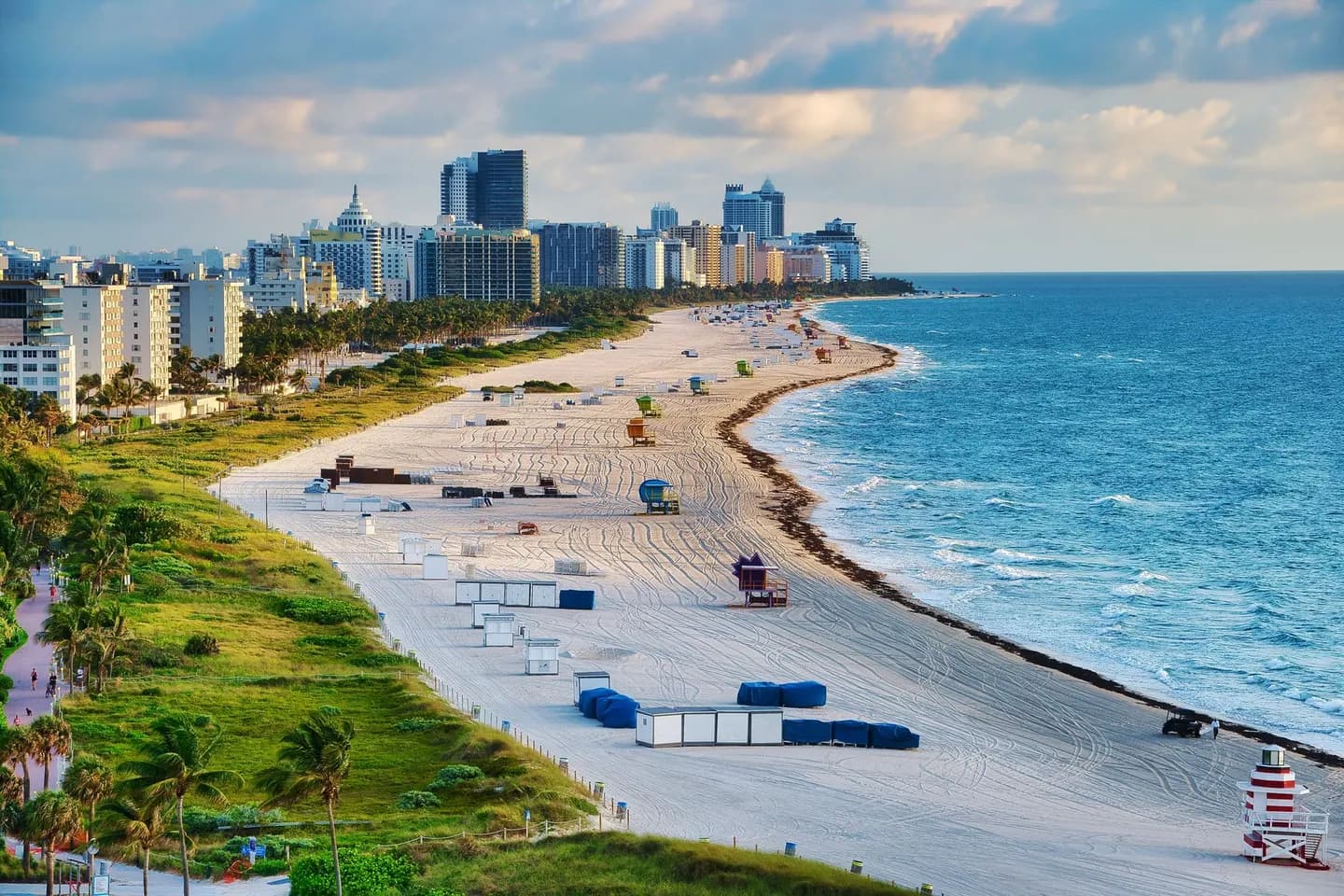
Miami
Aging-in-place remodeling in Miami-Dade County: 488,281 residents 65 and over, 1980 homes, High-Velocity Hurricane Zone and flood rules, licensing, who pays.
Read the guide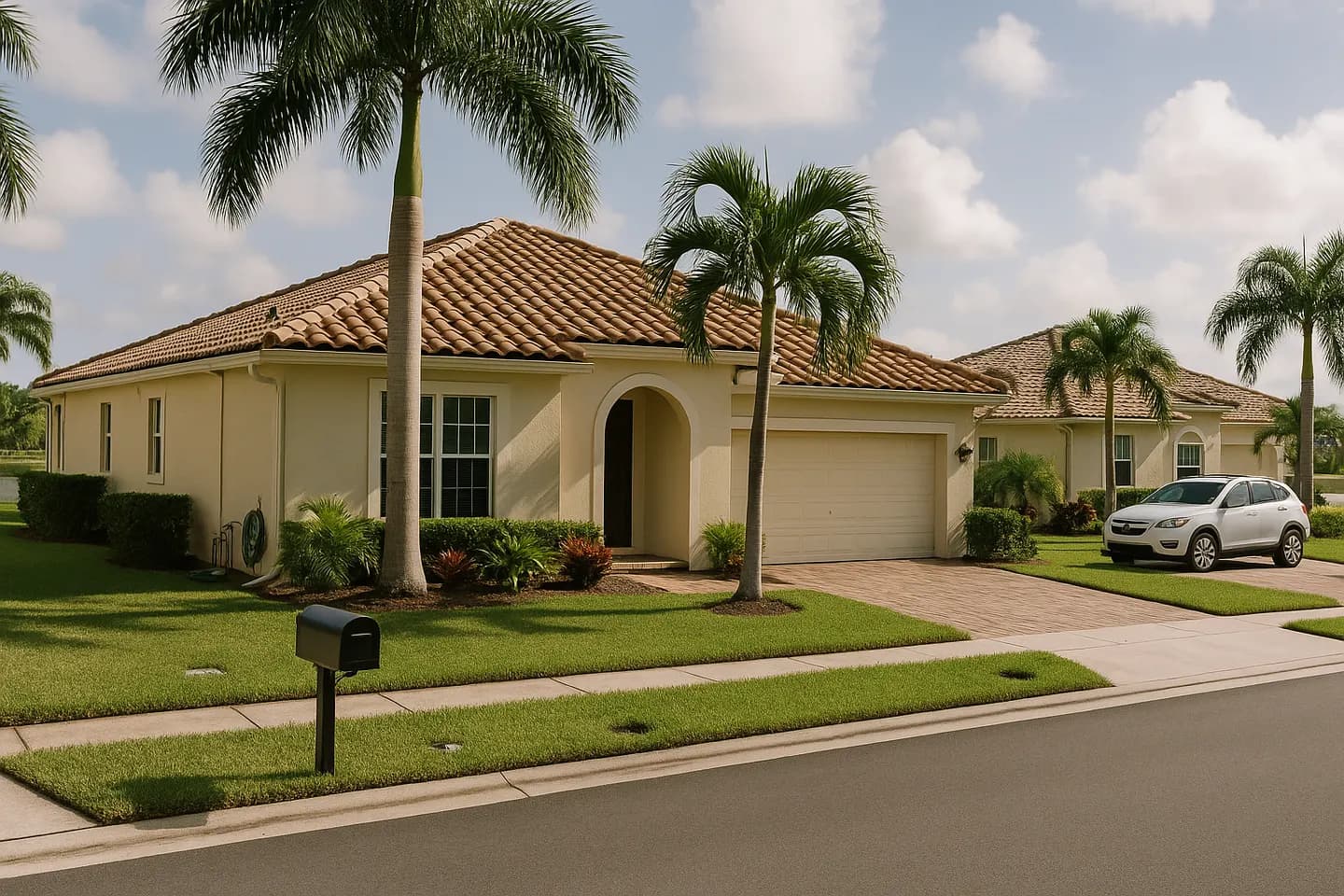
Palm Beach Gardens
Aging-in-place remodeling in Palm Beach Gardens: 32.5% of residents 65 and over, 1995-era golf-community homes, HOA reviews, county license checks, who pays.
Read the guide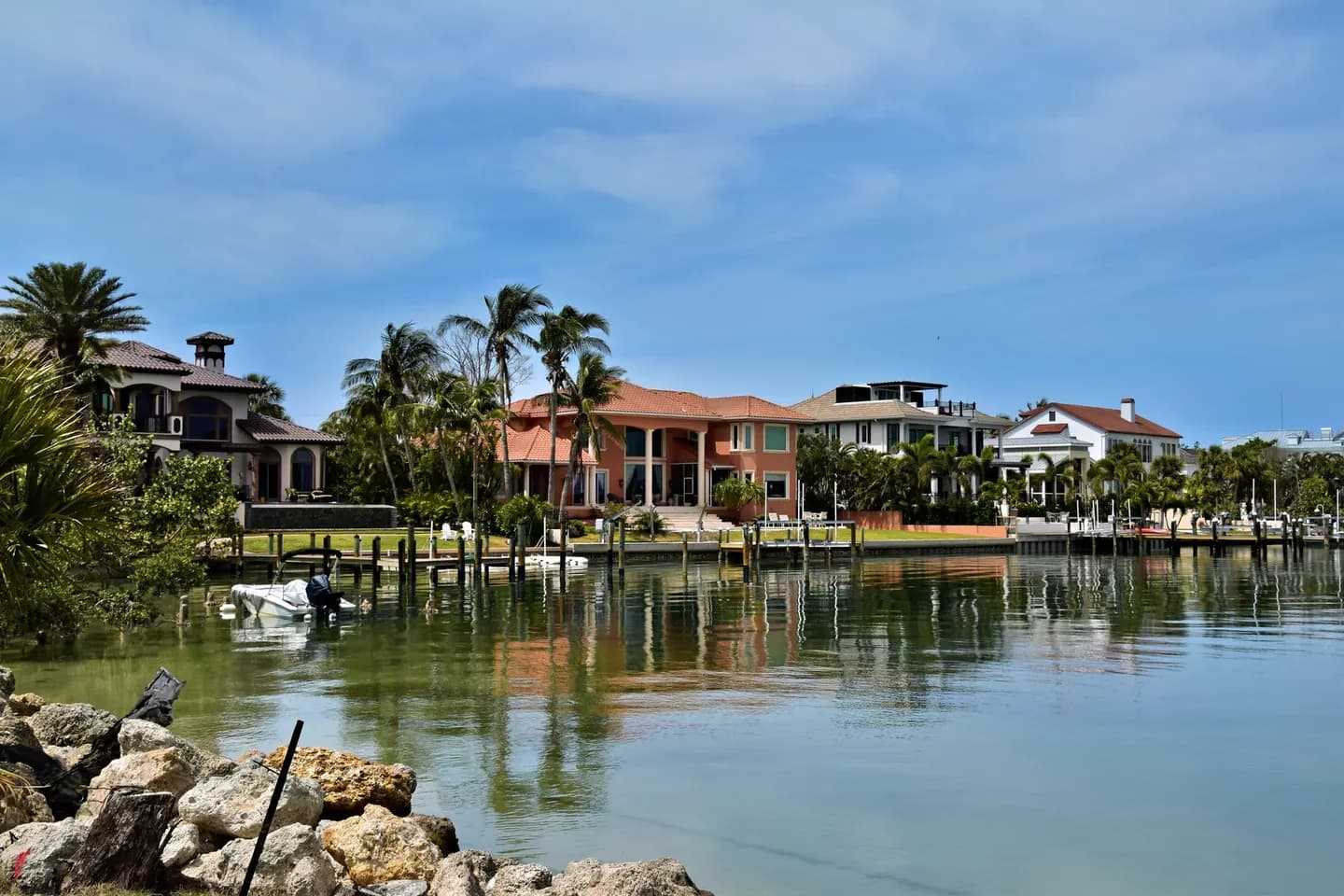
Lakewood Ranch
Aging-in-place remodeling in Lakewood Ranch: 30.8% of residents 65 and over, 2014-era single-story homes, HOA reviews, two-county license rules, who pays.
Read the guideQuestions people ask
How many seniors live in Florida?
About 5.09 million Floridians were 65 or older in 2024, 21.8% of the state and the highest share of any large state, according to Census Bureau population estimates. The Sarasota and Bradenton area is 33.6%, the Pinellas County area 27.5%, and West Palm Beach to Boca Raton 25.4%.
Do I need a licensed contractor for an aging-in-place remodel in Florida?
Yes, for anything structural, plumbing or electrical. Florida requires a DBPR license (Certified General, Building or Residential Contractor; plumbing and electrical are separate). Verify the license at the DBPR license search before signing.
Does Medicaid pay for home modifications in Florida?
State Medicaid long-term care programs can cover home accessibility adaptations for people who qualify financially and medically. Ask the state Medicaid agency or the Aging and Disability Resource Center what is covered and whether there is a waitlist; waitlists are common. Most Florida families pay directly.
Why are Florida homes easier to adapt for aging in place?
Most are single-story, so the bedroom and bath are already on the main floor and there are no interior stairs. The usual work is the entry step, the bathroom, slick tile floors and the step down to the lanai.
What does aging-in-place remodeling cost in Florida?
Florida construction wages run about 15% below the national average (Bureau of Labor Statistics, May 2025), so the national ranges are a fair ceiling: $2,500 to $9,000 for a curbless shower, $6,600 to $28,000 for a full accessible bathroom, $875 to $5,000 for a ramp. Get 3 local written quotes.
Free, no obligation
Tell us about the home. We match you with a certified aging-in-place remodeler.
A few questions about your project. We never charge homeowners, and we never sell your information.