Arizona
Aging-in-Place Remodeling in Arizona: Homes, Licenses, Who Pays
Aging-in-place remodeling in Arizona: slab homes with no basement, desert heat at the entry, how to check a Registrar of Contractors license, and who pays.
Updated 2026-09-15. Reviewed against our editorial standards.
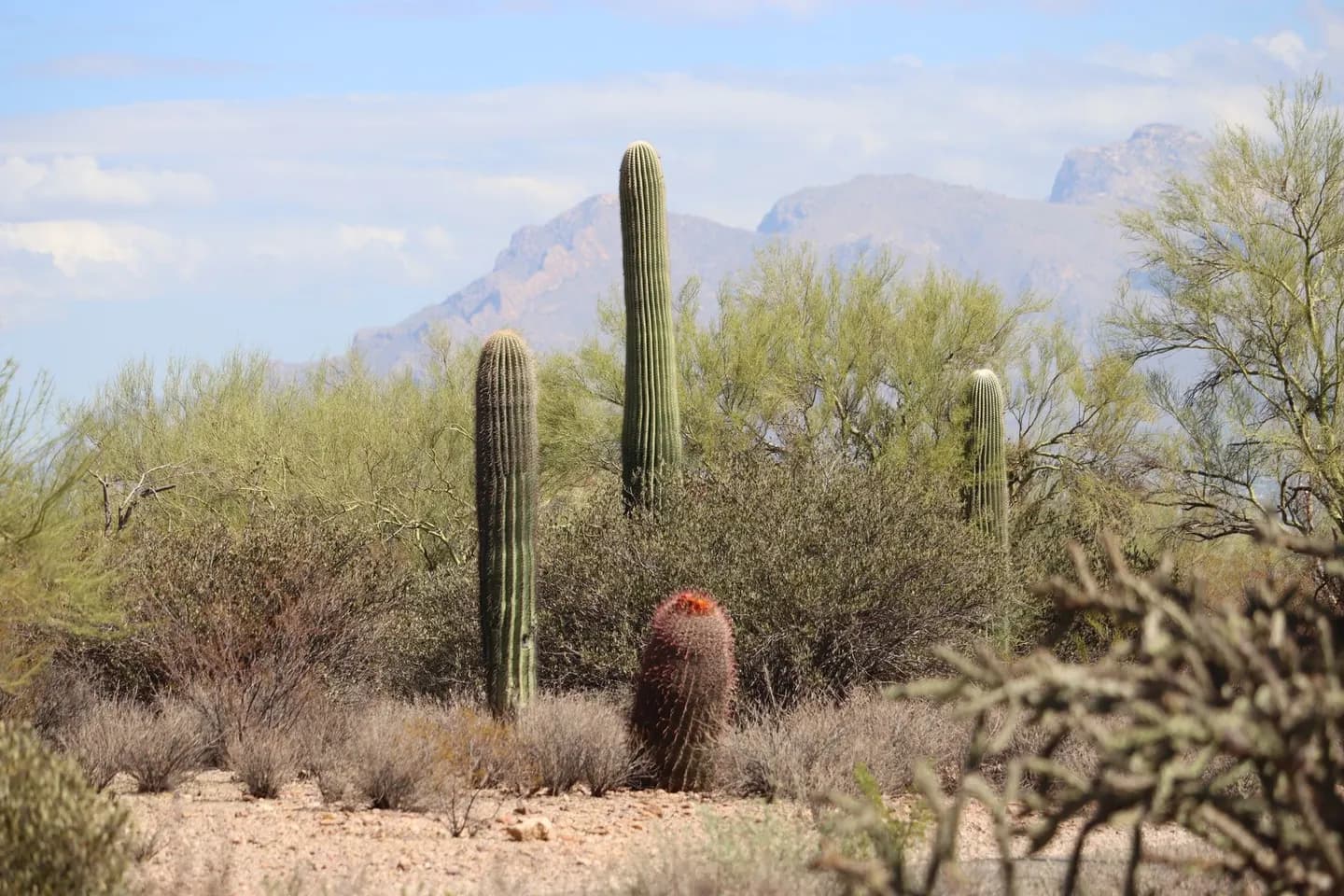
Arizona had 1,571,773 residents 65 and over on July 1, 2025, 20.6% of the state (Census Bureau Vintage 2025 estimates, released June 2026), a group that grew 16.9% in 5 years while the state grew 6.1%. The typical house sits on a concrete slab with no basement, so the work is the entry step, the bathroom, the patio and pool deck and the heat, not stairs. Contractors are licensed by the Arizona Registrar of Contractors (ROC), and the handyman exemption stops at $1,000. Most Arizona families pay directly; Medicaid, Medicare Advantage, long-term care insurance, VA grants, Tucson's Home Access Program and the AzLAT assistive technology loan cover specific cases.
Ready to talk to a certified aging-in-place remodeler? Tell us about the home and get matched with a licensed remodeler serving your part of Arizona.
Arizona by the numbers
- 1,571,773 Arizonans were 65 or older on July 1, 2025, 20.6% of 7,623,818, up 226,813 or 16.9% since July 2020 (Census Bureau Vintage 2025 county estimates).
- Maricopa County (Phoenix, Scottsdale, the Sun Cities) has 829,632 residents 65 and over, 17.7%; Pima County (Tucson, the Catalina Foothills) 262,121, 24.4%; Pinal County 122,092, up 31.8% since 2020, the fastest in the state (same file).
- Yavapai County (Prescott) is 36.8% and Mohave County (Lake Havasu City) 34.4% (same file); Sun City West is 85.0%, Green Valley 80.5%, Sun City 74.7% (Census American Community Survey 2024 five-year estimates).
Why Arizona homes are different
Slab on grade, no basement. Footings need to go only about 18 inches down, and the hardpan called caliche plus the cost keep basements rare (KJZZ). Most housing is single-story; a curbless shower on a slab means cutting the slab or building up the floor for the drain, a line item on any bathroom safety remodel quote. About 30% to 40% of existing Phoenix homes are concrete slump block, mostly 1940s to 1980s (Pacific Northwest National Laboratory), and the mix of block and frame varies by neighborhood, which changes how grab bars are anchored.
Heat, drainage and the entry. Phoenix averages 111 days a year at or above 100 degrees (National Weather Service, 1991 to 2020). A ramp or step-free entry needs shade, a handrail that will not burn the hand, and drainage: Maricopa County's building elevation rules call for 6 inches of fall in the first 10 feet from the foundation and floors a foot above grade, so a ramp or new patio is a permit item. The falls happen on the wet patio and pool deck and at the step down from the sliding door, both jobs for non-slip flooring.
The retirement towns. Sun City's median home was built in 1973 and 94.1% of its housing predates 1990; Sun City West's median is 1989 and Green Valley's 1985 (Census American Community Survey 2024 five-year estimates). Sun City's CC&Rs require one occupant 55 or older per unit and bar detached structures, and its homeowners association says to contact it before you build because the CC&Rs take precedence over a county permit. Green Valley is unincorporated with about 80 homeowner associations.
Checking an Arizona contractor's license
The Arizona Registrar of Contractors licenses contractors statewide. The residential classes for a remodel are B- General Residential, B-3 General Remodeling and Repair, R-61 Carpentry, Remodeling and Repairs (jobs of $50,000 or less including labor and materials) and R-62 Minor Home Improvements ($5,000 or less, nothing structural); elevators (R-12), plumbing (R-37) and electrical (R-11) are separate. The handyman exemption is narrow: casual or minor work under $1,000 including labor and materials, void if the job needs a building permit, is split to stay under $1,000, or is advertised without the words "not a licensed contractor".
Look the contractor up at the ROC contractor search and confirm the license is active on the day you sign. The Residential Contractors' Recovery Fund pays owner-occupants harmed by a licensed residential contractor up to $30,000 per award, with a $200,000 cap per license and 2 years to file suit, but only if the contractor was licensed at contract, first payment or start of work. The full checklist, including CAPS and the insurance certificate, is in how to choose an aging-in-place remodeler.
Who pays in Arizona
Most Arizona families pay directly, from savings, home equity or siblings splitting the cost: no pre-approval, your choice of contractor, no waitlist. Paying out of pocket covers the tools.
- Medicare and Medicare Advantage. Original Medicare pays nothing toward home modifications. Some Medicare Advantage plans add a bathroom safety allowance; structural work is rarely covered.
- Long-term care insurance. Many long-term care insurance policies include a capped home modification benefit, with pre-approval.
- Medicaid. Arizona's Medicaid program is AHCCCS (Arizona Health Care Cost Containment System). Ask it what home modification coverage exists for someone who qualifies financially and medically, and whether there is a waitlist.
- Veterans. The VA's HISA grant pays for medically necessary alterations prescribed by a VA clinician.
- Arizona and local programs. The state has no direct homeowner program. The City of Tucson Home Access Program makes a 100% grant, targeted at $15,000 per home and capped at $20,000, for accessibility work when a household member is over 62 or disabled and income is at or below 80% of the area median. In Maricopa County, Rebuilding Together Valley of the Sun installs grab bars and ramps for low-income senior, veteran and disabled homeowners (waitlist closed as of October 2026). Statewide, AzLAT lends $100 to $20,000 at 4.5% fixed for ramps, grab bars, barrier-free showers and ceiling lifts.
The state unit on aging is the DES Division of Aging and Adult Services (602-542-4446), which funds 8 Area Agencies on Aging: Region One's 24-Hour Senior HELP LINE at 602-264-4357 in Maricopa County, the Pima Council on Aging at 520-790-7262 in Pima County; DES lists the rest by county.
Where we work in Arizona
Scottsdale. 26.4% of 243,821 residents are 65 or older (Census American Community Survey 2024 five-year estimates): golf-community homes from around 1991, half of them under an association. See Scottsdale.
Paradise Valley. 32.7% of 12,611 residents, the highest home values in Arizona, 96% of homes detached (same source): elevators and bathrooms finished to match the house. See Paradise Valley.
The Catalina Foothills. 34.3% of 52,593 residents, north of Tucson in Pima County, hillside homes from around 1985 (same source). See the Catalina Foothills.
Elsewhere in Arizona, including the Sun Cities, Prescott and Green Valley, request a match anyway; a certified aging-in-place remodeler serving your area will reach out once matched.
What it costs in Arizona
National installed ranges (2022 to 2026 estimates, not quotes): $2,500 to $9,000 for a curbless shower, $6,600 to $28,000 for a full accessible bathroom, $3,000 to $20,000 for a stair lift, $875 to $5,000 for a ramp. Arizona construction wages averaged $28.86 an hour against $31.42 nationally in May 2025 (Bureau of Labor Statistics), about 8% below, so national ranges are a fair guide. Get 3 written local quotes and read the cost guide.
Ready to talk to a certified aging-in-place remodeler? Request a match and talk to a licensed remodeler serving your part of Arizona.
Cities and counties
Local guides for Arizona
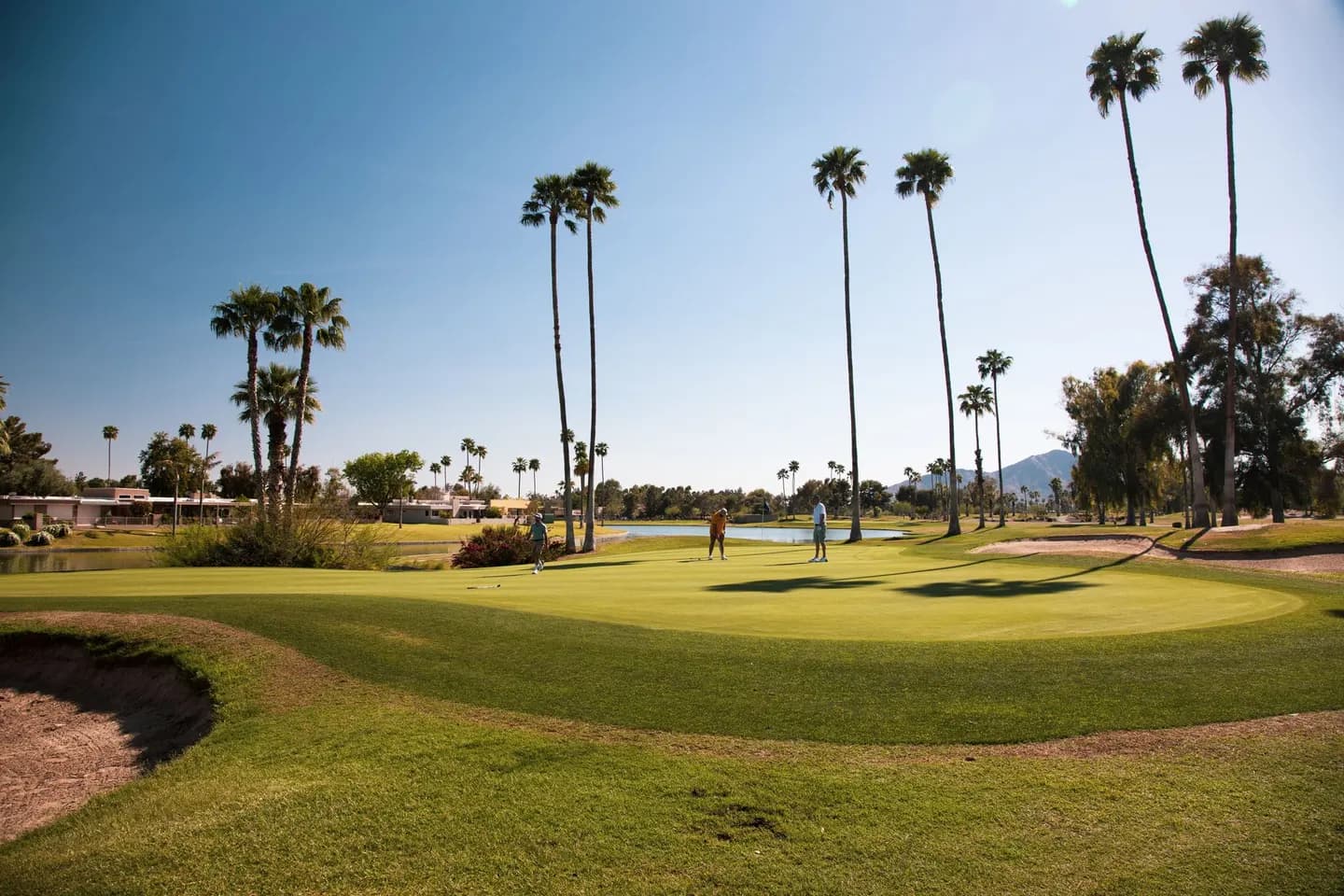
Scottsdale
Aging-in-place remodeling in Scottsdale: 26.4% of residents are 65 and over, 1991-era homes, pool decks and heat, ROC license checks, HOA review, and who pays.
Read the guide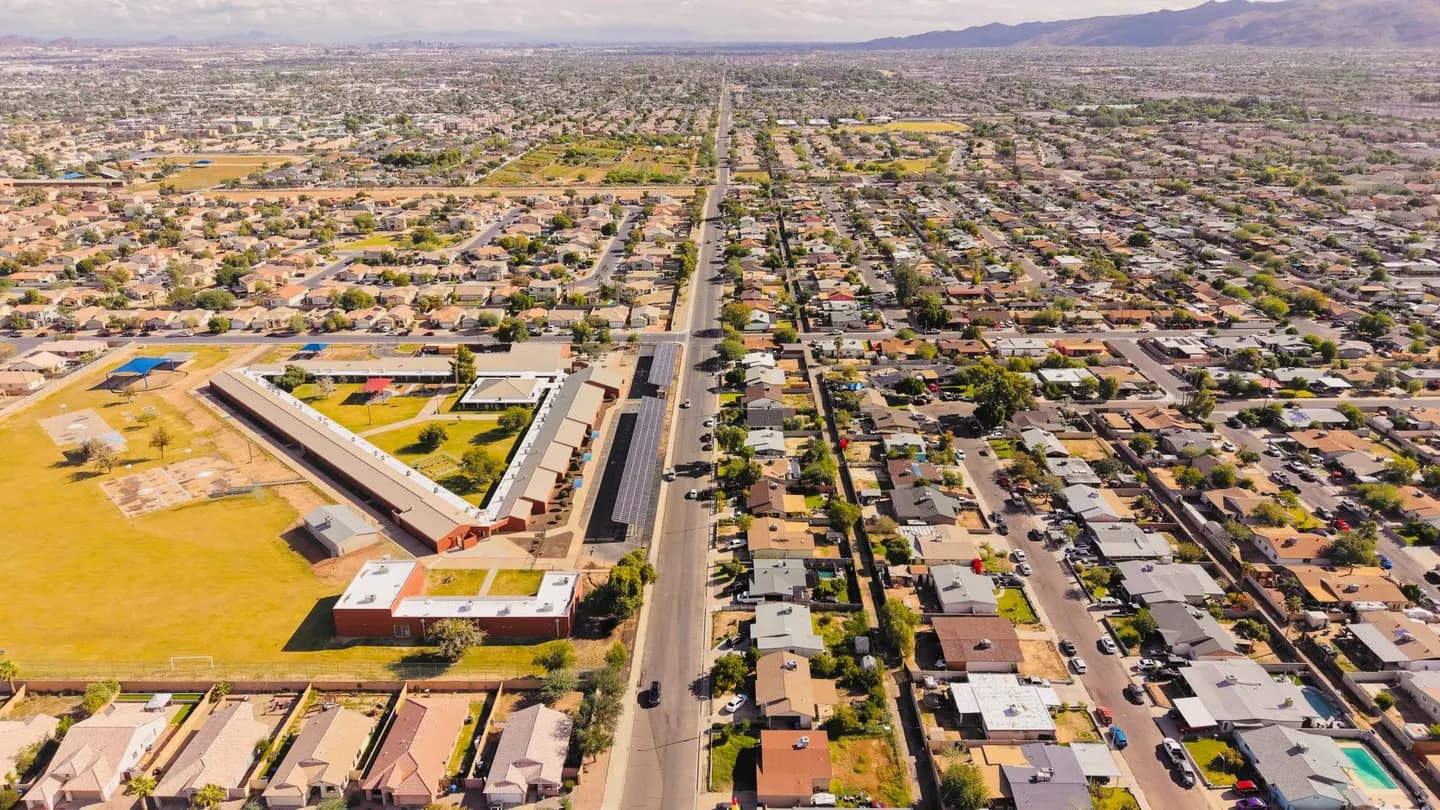
Paradise Valley
Aging-in-place remodeling in Paradise Valley, AZ: 32.7% of residents are 65 and over, 1985 custom homes, elevators and spa baths, ROC licensing, and who pays.
Read the guide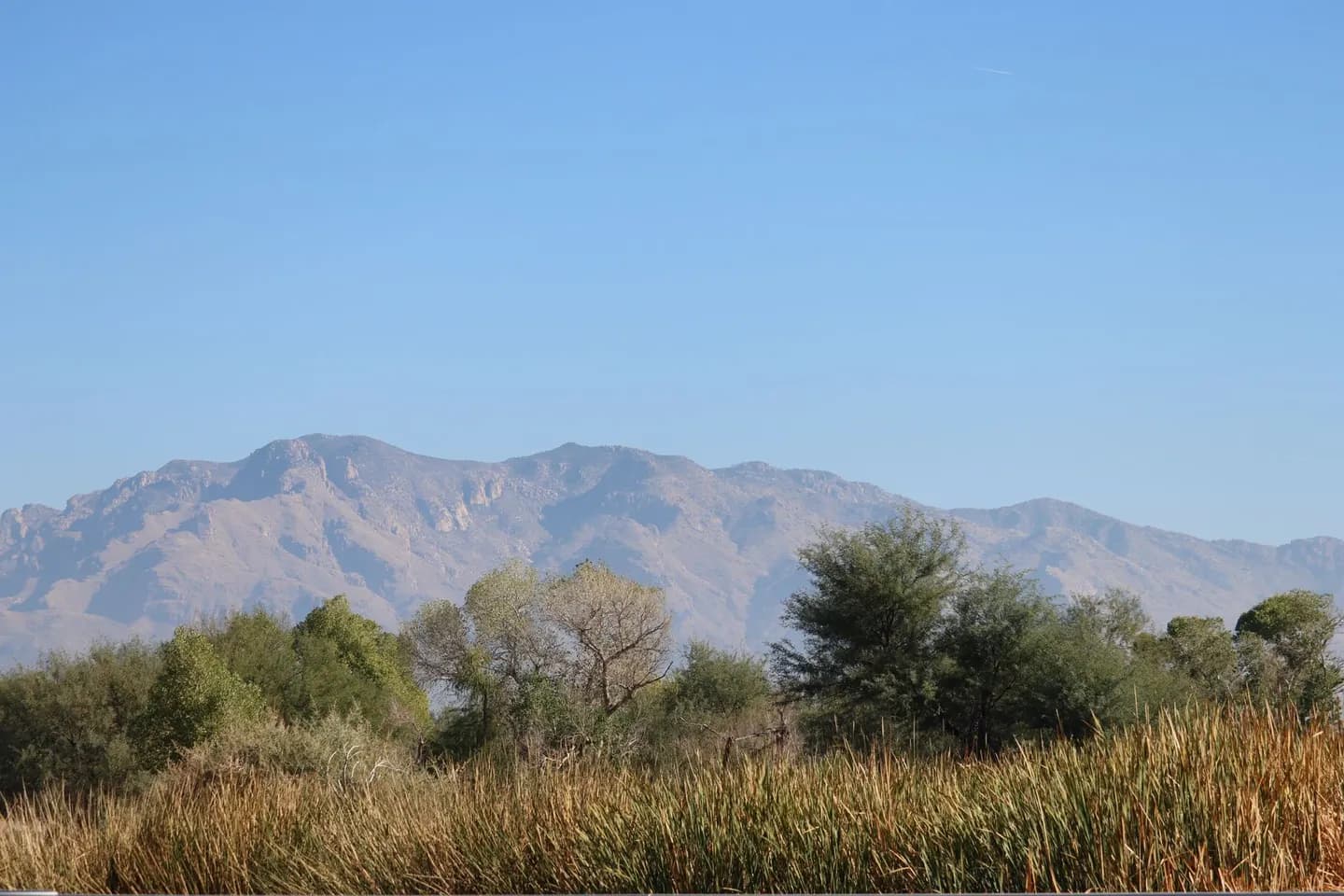
The Catalina Foothills
Aging-in-place remodeling in the Catalina Foothills, Tucson: 34.3% of residents are 65 and over, 1985 hillside homes, ROC licensing, Pima County help, who pays.
Read the guideQuestions people ask
How many seniors live in Arizona?
1,571,773 Arizonans were 65 or older on July 1, 2025, 20.6% of the state, according to the Census Bureau's Vintage 2025 estimates released in June 2026. That group grew 16.9% since 2020 while the state as a whole grew 6.1%. Maricopa County has the most, 829,632.
Do I need a licensed contractor for an aging-in-place remodel in Arizona?
Yes, for almost any job. The Arizona Registrar of Contractors (ROC) licenses residential contractors, and the handyman exemption covers only work under $1,000 including labor and materials, and never a job that needs a building permit. Verify the license at the ROC contractor search and confirm the class covers the work.
What is the Arizona Residential Contractors' Recovery Fund?
A state fund that reimburses owner-occupants harmed by a licensed residential contractor, up to $30,000 per award and $200,000 per license, with 2 years to file suit. It applies only when the contractor was licensed at contract, first payment or start of work, which is one more reason to check the license first.
Does Medicaid pay for home modifications in Arizona?
Arizona's Medicaid program is run by AHCCCS, the Arizona Health Care Cost Containment System. Ask AHCCCS what home modification coverage exists for someone who qualifies financially and medically, and whether there is a waitlist. Most Arizona families pay directly.
Is there an Arizona program that helps pay for a ramp or walk-in shower?
The City of Tucson Home Access Program makes grants targeted at $15,000 per home (up to $20,000) for accessibility work when a household member is over 62 or disabled and income is at or below 80% of the area median. Statewide, the AzLAT loan program lends $100 to $20,000 at 4.5% fixed for ramps, grab bars, barrier-free showers and ceiling lifts. Other help is local and income-limited; the Area Agency on Aging is the place to ask.
What does aging-in-place remodeling cost in Arizona?
Arizona construction wages ran about 8% below the national average in May 2025 (Bureau of Labor Statistics), so national ranges are a fair guide: $2,500 to $9,000 for a curbless shower, $6,600 to $28,000 for a full accessible bathroom, $3,000 to $20,000 for a stair lift, $875 to $5,000 for a ramp. Get 3 written local quotes.
Free, no obligation
Tell us about the home. We match you with a certified aging-in-place remodeler.
A few questions about your project. We never charge homeowners, and we never sell your information.