Texas
Aging-in-Place Remodeling in Texas: Homes, Licenses, Who Pays
Aging-in-place remodeling in Texas: slab homes on clay soil, no state contractor license, how to check plumbing and TDLR licenses, and who pays.
Updated 2026-09-09. Reviewed against our editorial standards.
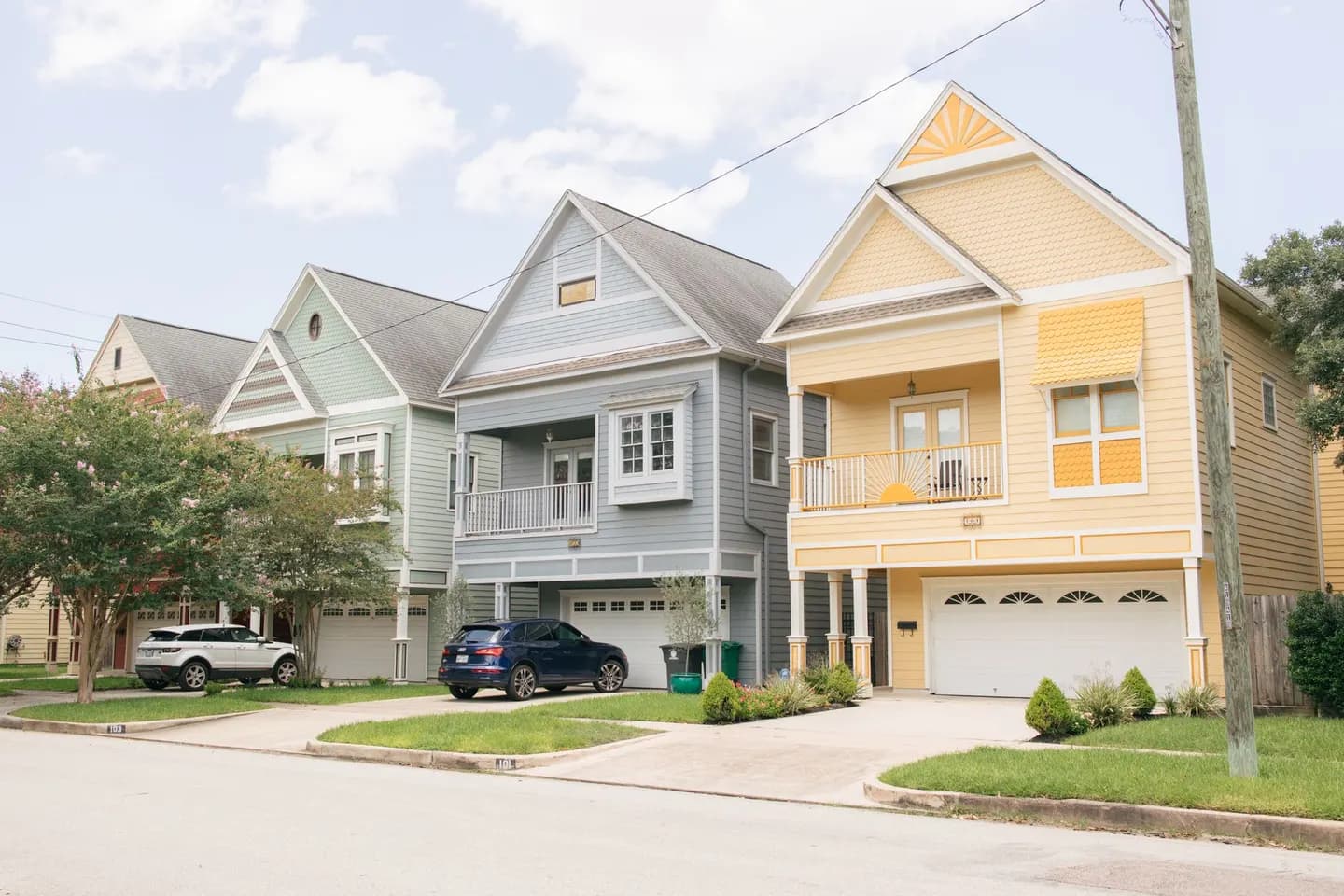
Texas had 4,711,381 residents 65 and over on July 1, 2025, 14.9% of the state (Census Bureau Vintage 2025 estimates, released June 2026), a group that grew 19.6% in 5 years while the state grew 8.5%. The typical Texas house sits on a concrete slab over clay with no basement, so the work is the entry step, the bathroom and the heat rather than the stairs. Texas has no statewide general contractor license: plumbers are licensed by the Texas State Board of Plumbing Examiners, electricians and air conditioning contractors by the Texas Department of Licensing and Regulation (TDLR), and the big cities register contractors. Most Texas families pay directly; Medicaid, Medicare Advantage, long-term care insurance, VA grants and the state's Amy Young Barrier Removal Program cover specific cases.
Ready to talk to a certified aging-in-place remodeler? Tell us about the home and get matched with a certified remodeler serving your part of Texas.
Texas by the numbers
- 4,711,381 Texans were 65 or older on July 1, 2025, 14.9% of 31,709,821, up 771,912 or 19.6% since July 2020 (Census Bureau Vintage 2025 county estimates).
- The fastest growth is suburban: Montgomery County up 33.8% since 2020, Comal 32.8%, Collin 31.9%, Williamson 28.3% (same file).
- The highest shares are in the Hill Country: Llano County 37.3%, the highest of any Texas county over 15,000 people, Gillespie 33.5%, Kerr 32.2%, Hood 27.6% (same file).
Why Texas homes are different
Slab on clay, no basement. The soil is expansive clay: "When it gets wet, it swells up; when it dries up in the summer, it shrinks," Phil Crone of the Dallas Builders Association told KUT, and slab foundations crack as it moves. No basement means no stair to the bedroom, so a main-floor bedroom and bath is often already there, but a curbless shower on a slab means cutting the slab or building up the floor for the drain, a line item on any bathroom safety remodel quote.
Pier-and-beam and heat. Pre-1960s homes often sit on pier-and-beam foundations with several steps at the door, which is where a ramp or step-free entry comes in. Dallas-Fort Worth's record is 71 days at 100 degrees or more in one year (2011, National Weather Service), so a new entry needs shade and a landing.
Windstorm rules on the coast. In the Texas Windstorm Insurance Association's catastrophe area (the coast from Cameron County to Jefferson County, plus Harris County east of Highway 146), construction needs a Texas Department of Insurance WPI-8 certificate to keep windstorm coverage, so a widened front door there is a rated product.
Newer suburbs, two stories. Collin, Williamson and Montgomery counties have median build years of 2003 to 2006, and many of those houses are two-story, which is why "stair lift dallas" shows up in Google autocomplete. A straight-rail stair lift is the usual fix.
Checking a Texas contractor's license
Texas has no statewide general contractor or home improvement license. The Texas Residential Construction Commission was abolished on September 1, 2009, and the recovery fund proposed that year was never created, so anyone can call themselves a remodeler. The trades are licensed: plumbers by the Texas State Board of Plumbing Examiners, electricians and air conditioning contractors by TDLR, both with online license searches. A shower conversion moves a drain and often a circuit, so those licenses matter even though the remodeler needs none.
Houston, Dallas, Fort Worth, San Antonio and Austin register contractors before issuing permits, which is a name on file, not a license.
With no license and no recovery fund, the contract and the insurance are your protection. A contract creating a lien on a Texas homestead must be in writing, signed before work starts, by both spouses if married, and filed with the county clerk (Property Code section 53.254); the Attorney General adds several written bids, no blanks, and checking trade licenses with TDLR. The Residential Construction Liability Act requires written notice by certified mail 60 days before a lawsuit and gives the contractor 35 days to inspect (section 27.004), so keep every document. Ask for a certificate of liability insurance, pay by milestone, never pay in full up front; the checklist is in how to choose an aging-in-place remodeler.
Who pays in Texas
Most Texas families pay directly, from savings, home equity or siblings splitting the cost: no pre-approval, your choice of contractor, no waiting. Paying out of pocket covers the tools.
- Medicare and Medicare Advantage. Original Medicare pays nothing toward home modifications. Some Medicare Advantage plans add a bathroom safety allowance; structural work is rarely covered.
- Long-term care insurance. Many long-term care insurance policies include a capped home modification benefit, with pre-approval.
- Medicaid. Ask the Texas Health and Human Services Commission (HHSC), which runs Texas Medicaid, what Medicaid home modification coverage exists for someone who qualifies financially and medically, and whether there is a waitlist.
- Veterans. The VA's HISA grant pays for medically necessary alterations prescribed by a VA clinician. The Texas Veterans Commission's Housing for Texas Heroes fund pays local organizations, not individuals, for veterans' home modifications under income limits.
- Texas programs. The Amy Young Barrier Removal Program (Texas Department of Housing and Community Affairs) makes a one-time grant of up to $22,500 for accessibility work when the household includes a person with a disability and income is at or below 80% of the area median family income; apply through a local administrator (512-936-7799). City repair programs in Houston, Dallas and San Antonio and the Rebuilding Together affiliates are on each city page and in senior bathroom remodel programs.
The state unit on aging is the HHSC Office of Aging Services Coordination (Age Well Live Well). Texas has 28 Area Agencies on Aging serving people 60 and over; call 800-252-9240 to reach yours, or dial 2-1-1.
Where we work in Texas
Houston. Harris County, 660,682 residents 65 and over (13.1%), the most in Texas. See Houston.
Dallas and Fort Worth. Dallas, Tarrant and Collin counties, 819,374 across the 3. See Dallas and Fort Worth.
San Antonio. Bexar County, 309,662 (14.3%). See San Antonio.
Austin and Georgetown. Travis County, 161,031 (11.6%), and Williamson County, 102,878 (13.7%). See Austin and Georgetown.
McAllen and the Rio Grande Valley. Hidalgo County, 118,695 (12.9%), plus the Winter Texans. See McAllen and the Rio Grande Valley.
Elsewhere in Texas, including the Hill Country, request a match anyway; a certified aging-in-place remodeler serving your area will reach out once matched.
What it costs in Texas
National installed ranges (2022 to 2026 estimates, not quotes): $2,500 to $9,000 for a curbless shower, $6,600 to $28,000 for a full accessible bathroom, $3,000 to $20,000 for a stair lift, $875 to $5,000 for a ramp. Texas construction wages averaged $26.54 an hour against $31.42 nationally in May 2025 (Bureau of Labor Statistics), about 15% below, so national ranges are a fair ceiling. Get 3 written local quotes and read the cost guide.
Ready to talk to a certified aging-in-place remodeler? Request a match and talk to a certified remodeler serving your part of Texas.
Cities and counties
Local guides for Texas

Houston
Aging-in-place remodeling in Houston and The Woodlands: 660,682 Harris County residents 65 and over, 1988-era slab homes, city permit rules, and who pays.
Read the guide
Dallas and Fort Worth
Aging-in-place remodeling in Dallas, Fort Worth, Arlington and Plano: 819,374 residents 65 and over across 3 counties, slab homes on clay, who pays.
Read the guide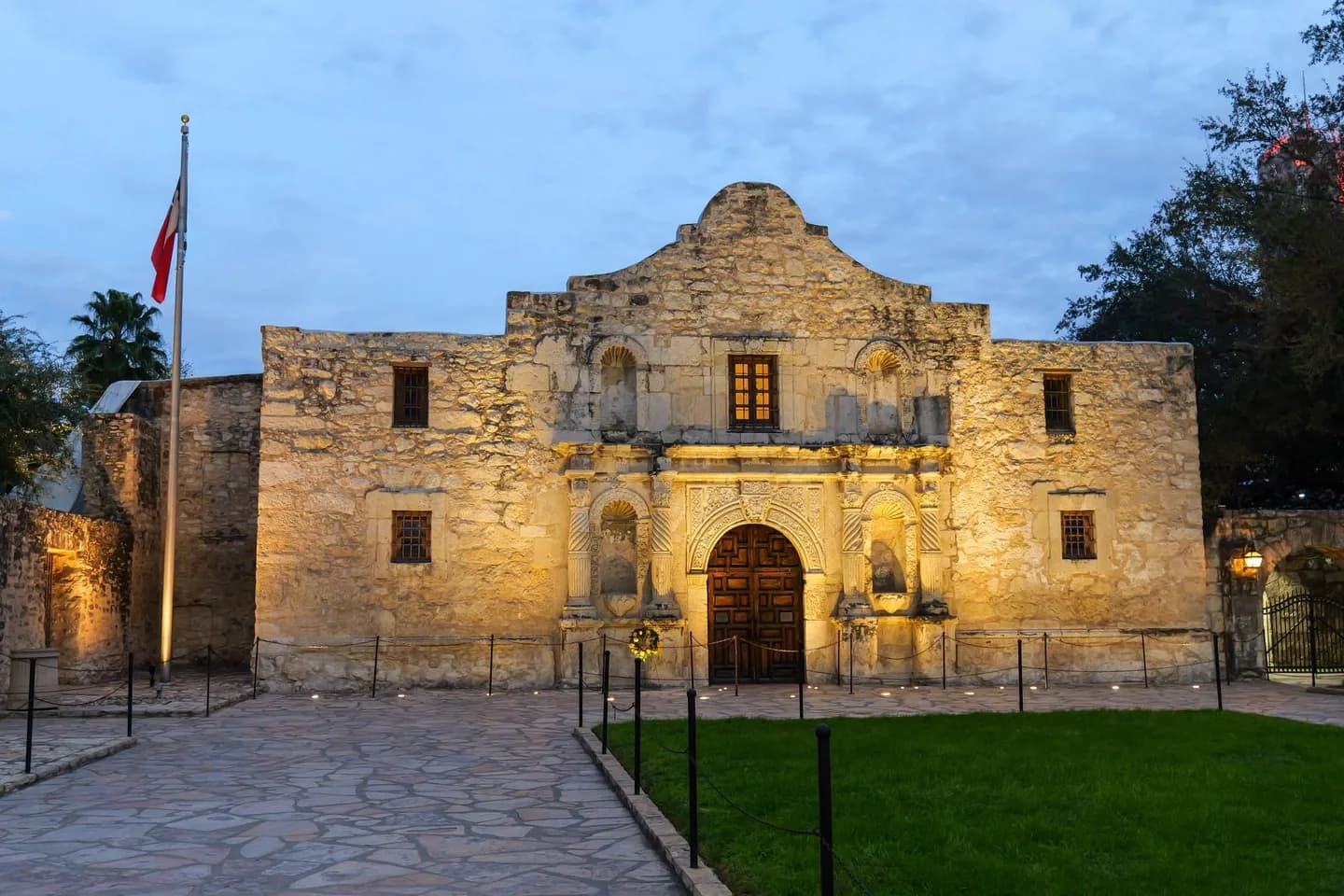
San Antonio
Aging-in-place remodeling in San Antonio: 309,662 Bexar County residents 65 and over, 1990-era slab homes, city contractor registration, and who pays.
Read the guide
Austin and Georgetown
Aging-in-place remodeling in Austin, Round Rock and Georgetown: 263,909 residents 65 and over in Travis and Williamson counties, Sun City, who pays.
Read the guide
McAllen and the Rio Grande Valley
Aging-in-place remodeling in McAllen and the Rio Grande Valley: 118,695 Hidalgo County residents 65 and over, 57,000 Winter Texan households, who pays.
Read the guide
Colleyville
Aging-in-place remodeling in Colleyville, TX: 20.0% of residents are 65 and over, 1990s slab homes on clay, no state contractor license, and who really pays.
Read the guide
Lakeway
Aging-in-place remodeling in Lakeway, TX: 23.0% of residents are 65 and over, homes on Lake Travis, no state contractor license, elevators and lifts, who pays.
Read the guideQuestions people ask
How many seniors live in Texas?
4,711,381 Texans were 65 or older on July 1, 2025, 14.9% of the state, according to the Census Bureau's Vintage 2025 estimates released in June 2026. That group grew 19.6% since 2020, more than twice as fast as Texas overall. Harris County has the most, 660,682.
Does Texas license general contractors?
No. Texas has no statewide general contractor or home improvement license and no recovery fund. Plumbers are licensed by the Texas State Board of Plumbing Examiners, and electricians and air conditioning contractors by the Texas Department of Licensing and Regulation (TDLR); Houston, Dallas, Fort Worth, San Antonio and Austin register contractors locally.
What should a Texas remodeling contract include?
For a lien to be valid on a Texas homestead, the contract must be in writing, signed before work starts, by both spouses if married, and filed with the county clerk. The Attorney General also advises several written bids, no blanks in the contract, and checking trade licenses with TDLR.
Is there a Texas program that pays for home modifications?
The Amy Young Barrier Removal Program, run by the Texas Department of Housing and Community Affairs, makes a one-time grant of up to $22,500 for accessibility work when the household includes a person with a disability and income is at or below 80% of the area median. Apply through a local administrator. Houston, Dallas and San Antonio run city repair programs with income limits.
Does Medicaid pay for home modifications in Texas?
Texas Medicaid is run by the Texas Health and Human Services Commission. Ask it what home modification coverage exists for someone who qualifies financially and medically, and whether there is a waitlist. Most Texas families pay directly.
What does aging-in-place remodeling cost in Texas?
Texas construction wages ran about 15% below the national average in May 2025 (Bureau of Labor Statistics), so national ranges are a fair ceiling: $2,500 to $9,000 for a curbless shower, $6,600 to $28,000 for a full accessible bathroom, $3,000 to $20,000 for a stair lift, $875 to $5,000 for a ramp. Get 3 written local quotes.
Free, no obligation
Tell us about the home. We match you with a certified aging-in-place remodeler.
A few questions about your project. We never charge homeowners, and we never sell your information.