Virginia
Aging-in-Place Remodeling in Virginia: Homes, Licenses, Who Pays
Aging-in-place remodeling in Virginia: 1,547,113 residents 65 and over, two-story suburbs and old city homes, DPOR classes and the Livable Home Tax Credit.
Updated 2026-08-27. Reviewed against our editorial standards.
Virginia had 1,547,113 residents aged 65 and over in 2024, 17.6% of the state, up 12.9% since 2020 (Census Bureau Vintage 2024 estimates). The median home is 38 years old (Virginia Realtors), with the oldest stock in Richmond, Roanoke and Norfolk, so the usual work is a bathroom conversion, a safer entry and a bedroom and full bath on one floor. Contractors are licensed by the Department of Professional and Occupational Regulation (DPOR) in 3 classes set by project value. Most families pay directly, with Virginia's Livable Home Tax Credit, Medicaid, Medicare Advantage, long-term care insurance and VA grants covering specific cases.
Ready to talk to a certified aging-in-place remodeler? Tell us about the home and get matched with a licensed Virginia remodeler serving your area.
Virginia by the numbers
- 1,547,113 Virginians were 65 or older on July 1, 2024, 17.6% of the state, up 176,671 (12.9%) from 2020 (Census Bureau Vintage 2024 estimates).
- Fairfax County has the largest count, 184,531 (15.9%). The highest shares are rural: Lancaster County on the Northern Neck is 39.1% (same source).
- About 55% of Virginia homes were built from 1960 to 1999 (Virginia Realtors). Richmond and Roanoke (median year built 1959) and Norfolk (1964) have the oldest stock (Stacker, Census data).
Why Virginia homes are different
Stairs come first. Much of Virginia's suburban housing is two-story colonials, split-levels and split-foyers, with single-story ramblers in older suburbs and rural counties. Bedrooms and the only full bath are upstairs. A stair lift is the fast answer; a main-floor bedroom and bath is the permanent one.
Old bathrooms in the cities. Richmond's and Roanoke's median home was built in 1959 and more than a quarter of each city's houses predate 1940; Norfolk's median is 1964 (Stacker, Census data). Those bathrooms are small, with a tub-shower combination, a narrow door and old plumbing. A curbless shower conversion is the usual fix.
Winter ice in the north and west. Dulles averages 21.0 inches of snow a season (National Weather Service, 1991 to 2020); Roanoke and the Shenandoah Valley get their share. Covered entries, railings on both sides and a non-slip surface on any ramp matter here.
Water in Hampton Roads. 72% of Hampton Roads residents see severe flooding risk in their city within 30 years, Norfolk highest (ODU survey, 2025). Raised foundations put the front door several steps above the yard, so ramps run longer and a vertical platform lift is sometimes the better buy.
Checking a Virginia contractor's license
The DPOR Board for Contractors licenses anyone doing more than $1,000 of work on a single project, in 3 classes by project value since July 1, 2025: Class C over $1,000 and under $30,000, Class B from $30,000 up to $150,000, Class A at $150,000 and more. The remodeling specialty is Residential Building Contractor (RBC) or Home Improvement Contracting (HIC); plumbers, electricians and HVAC technicians need their own journeyman or master tradesman license. There is no handyman license: a job of $1,000 or less needs none (grab bars, yes; a shower conversion, no).
Check the name and number at DPOR's License Lookup and make sure the class fits the job. The contract must show the license number, class and specialty, dates, total cost, payment schedule, cancellation rights, who pulls permits, and a notice about the Contractor Transaction Recovery Fund, which pays up to $30,000 per claim when a court finds a licensed contractor acted improperly or dishonestly. The Board recommends a down payment near 10% (about 30% for custom items). Ask for proof of liability insurance. Our guide on how to choose an aging-in-place remodeler has the full checklist; CAPS training is a plus, not a license.
Permits come from the local building official under the Virginia Uniform Statewide Building Code. A temporary ramp to an entrance 30 inches or less above grade is exempt; moved plumbing, a new circuit or a removed wall is not.
Who pays in Virginia
Most Virginia families pay directly, from savings, home equity or siblings splitting the cost: no pre-approval, your choice of contractor, work can start this week. Paying out of pocket covers the tools. Pay by milestone, never in full up front.
- Medicare and Medicare Advantage. Original Medicare pays nothing toward home modifications. Some Medicare Advantage plans add a bathroom safety allowance; structural work is rarely covered: Medicare and Medicare Advantage.
- Long-term care insurance. Many policies include a home modification benefit with pre-approval and a cap: long-term care insurance.
- Medicaid. Virginia's Medicaid agency is the Department of Medical Assistance Services (DMAS). Ask DMAS or the local Area Agency on Aging about home modification coverage and waitlists: Medicaid waivers.
- Veterans. The VA's HISA grant pays for alterations prescribed by a VA clinician (VA grants). Virginia Housing's Granting Freedom adds up to $10,000 for veterans with a service-connected disability, within income limits, through an accepted agent.
- Livable Home Tax Credit. A state income tax credit from the Department of Housing and Community Development (DHCD): 50% of a retrofit's cost, up to $6,500, for a permanent feature such as a zero-step entrance or an accessible bathroom, applied for by January 31 of the year after completion. Federal: tax deductions.
- County and nonprofit help. Loudoun and Fairfax counties run modification programs for older homeowners with income limits (see the Northern Virginia page); Rebuilding Together has affiliates in Northern Virginia, Hampton Roads and Richmond, eligibility varies.
The state unit on aging is the Department for Aging and Rehabilitative Services (DARS); its 25 Area Agencies on Aging cover every locality, listed by city or county on the DARS site, and the statewide line is Virginia Easy Access, 1-888-992-0959.
Where we work in Virginia
Fairfax and Northern Virginia. Fairfax County alone has 184,531 residents 65 and over (15.9%), and the Northern Virginia core holds 362,701. Aging-in-place remodeling in Fairfax and Northern Virginia.
Virginia Beach and Hampton Roads. 301,719 residents 65 and over on the Virginia side, with Virginia Beach at 77,605 (17.1%). Aging-in-place remodeling in Virginia Beach and Hampton Roads.
Richmond. Richmond city, Henrico, Chesterfield and Hanover have 183,854 residents 65 and over. Aging-in-place remodeling in Richmond.
Roanoke. Roanoke County is 22.9% 65 and over (22,245 people) and the city 18.3% (17,947). Aging-in-place remodeling in Roanoke.
Williamsburg. James City County is 27.9% 65 and over (23,109 people), the highest share of any market we serve in Virginia. Aging-in-place remodeling in Williamsburg.
Outside these markets, request a match anyway; there is no charge to the homeowner, and a certified aging-in-place remodeler serving your area will reach out once matched.
What it costs in Virginia
National installed ranges (2022 to 2026 secondary sources) are the starting point: $2,500 to $9,000 for a curbless shower conversion, $6,600 to $28,000 for a full accessible bathroom, $3,000 to $20,000 for a stair lift, and $875 to $5,000 for a ramp. Virginia runs below the national average, a little below in Northern Virginia and further below elsewhere (RSMeans 2026 location factors). Get 3 written local quotes; the cost guide has every range.
Ready to talk to a certified aging-in-place remodeler? Request a match and talk to a licensed Virginia remodeler serving your area.
Cities and counties
Local guides for Virginia
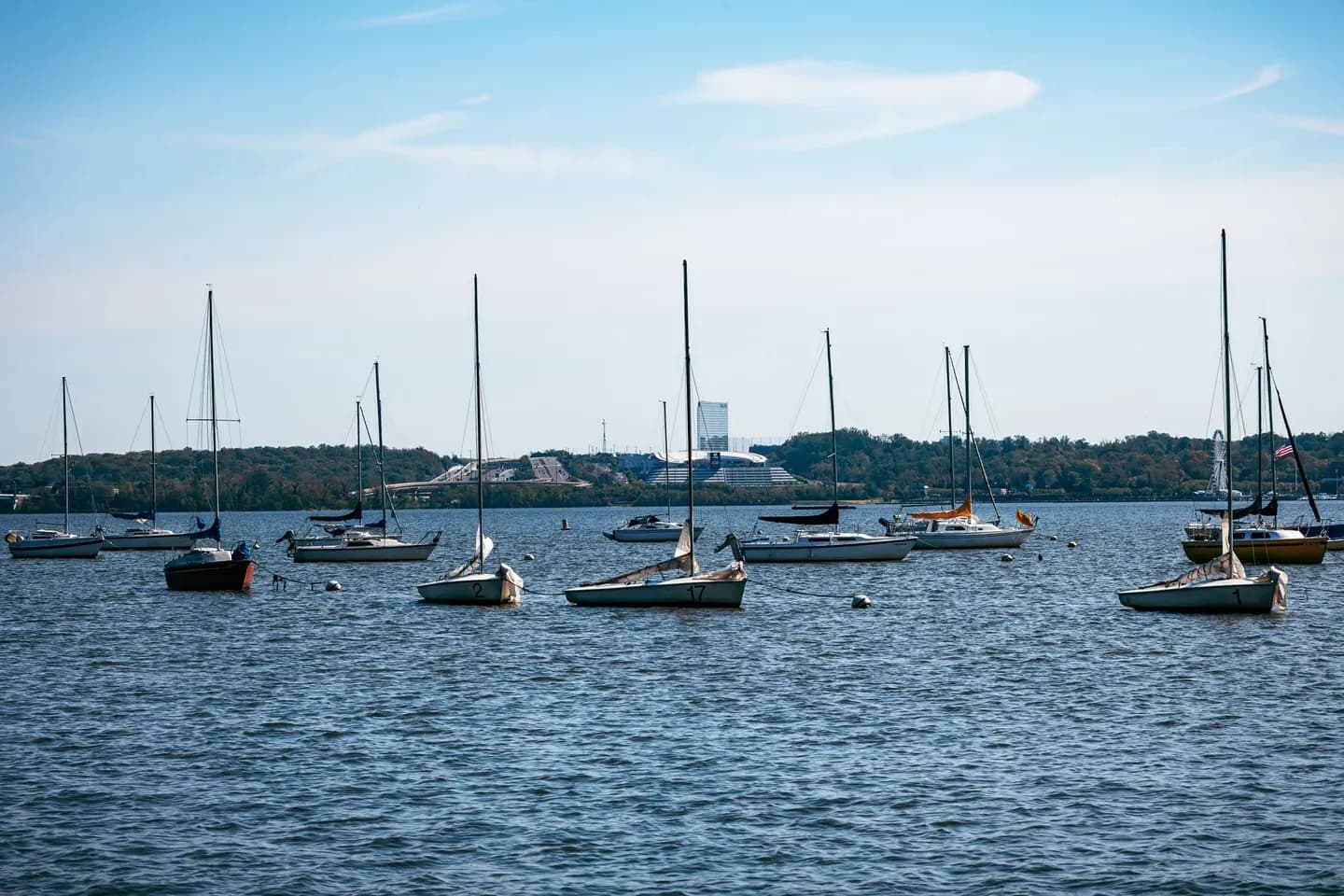
Fairfax and Northern Virginia
Aging-in-place remodeling in Fairfax, Loudoun, Prince William and Arlington: 362,701 residents 65 and over, two-story homes, DPOR licensing and county grants.
Read the guide
Virginia Beach and Hampton Roads
Aging-in-place remodeling in Virginia Beach, Chesapeake, Norfolk, Newport News and Hampton: 301,719 residents 65 and over, flood-zone entries, ramps, showers.
Read the guide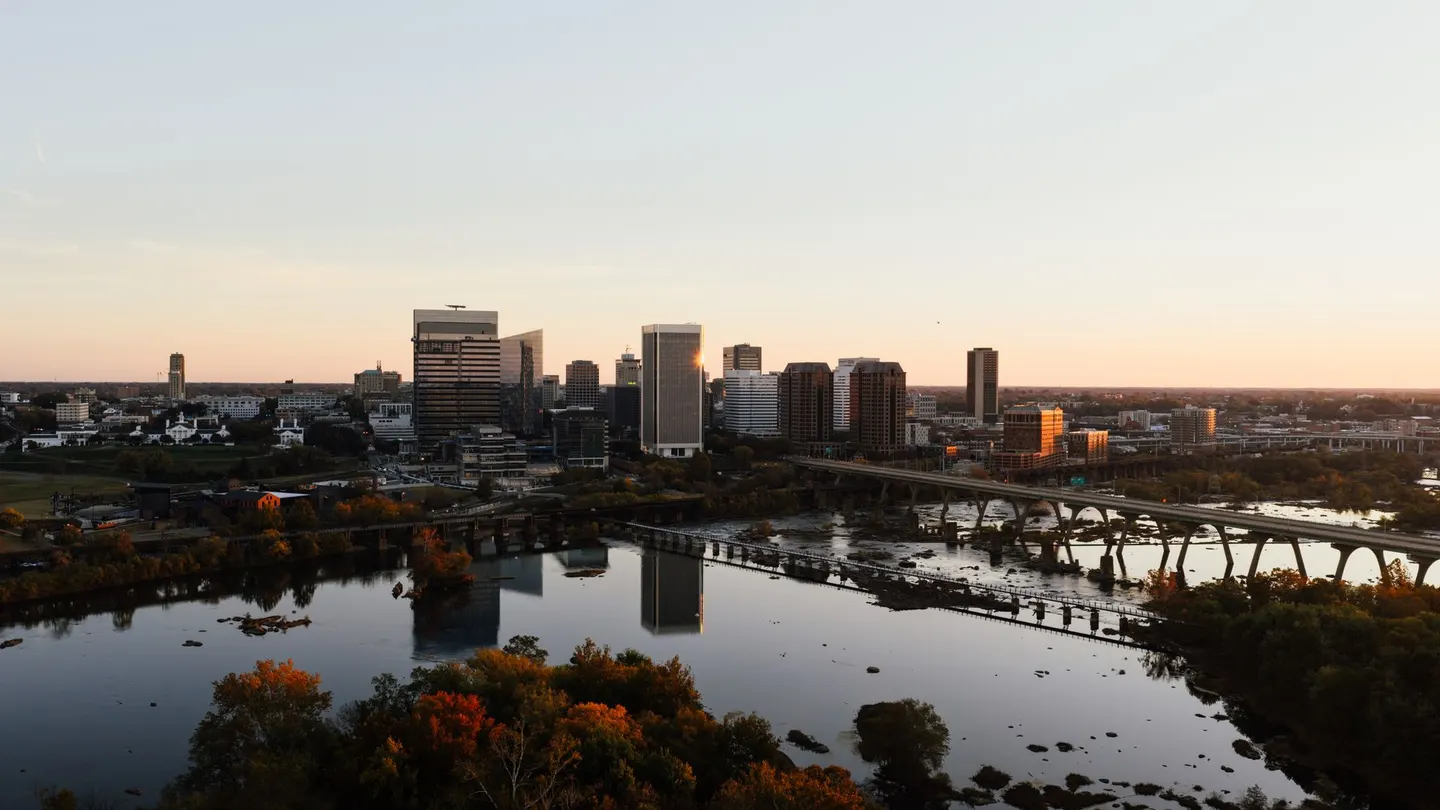
Richmond
Aging-in-place remodeling in Richmond, Henrico and Chesterfield: 183,854 residents 65 and over, the oldest homes in Virginia, DPOR licensing and who pays.
Read the guide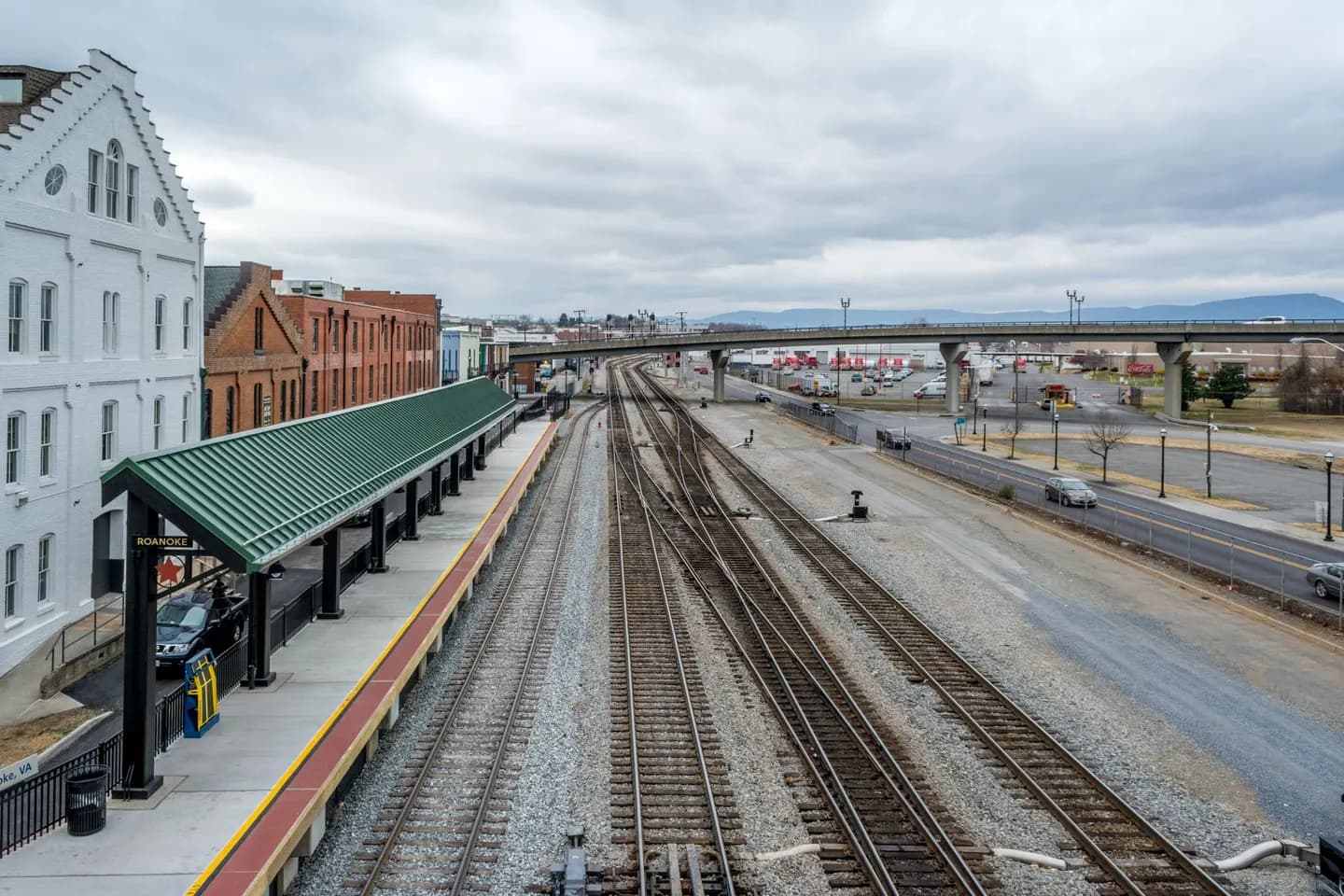
Roanoke
Aging-in-place remodeling in Roanoke: 22.9% of Roanoke County and 18.3% of the city are 65 and over, homes from 1959 on average, DPOR licensing and who pays.
Read the guide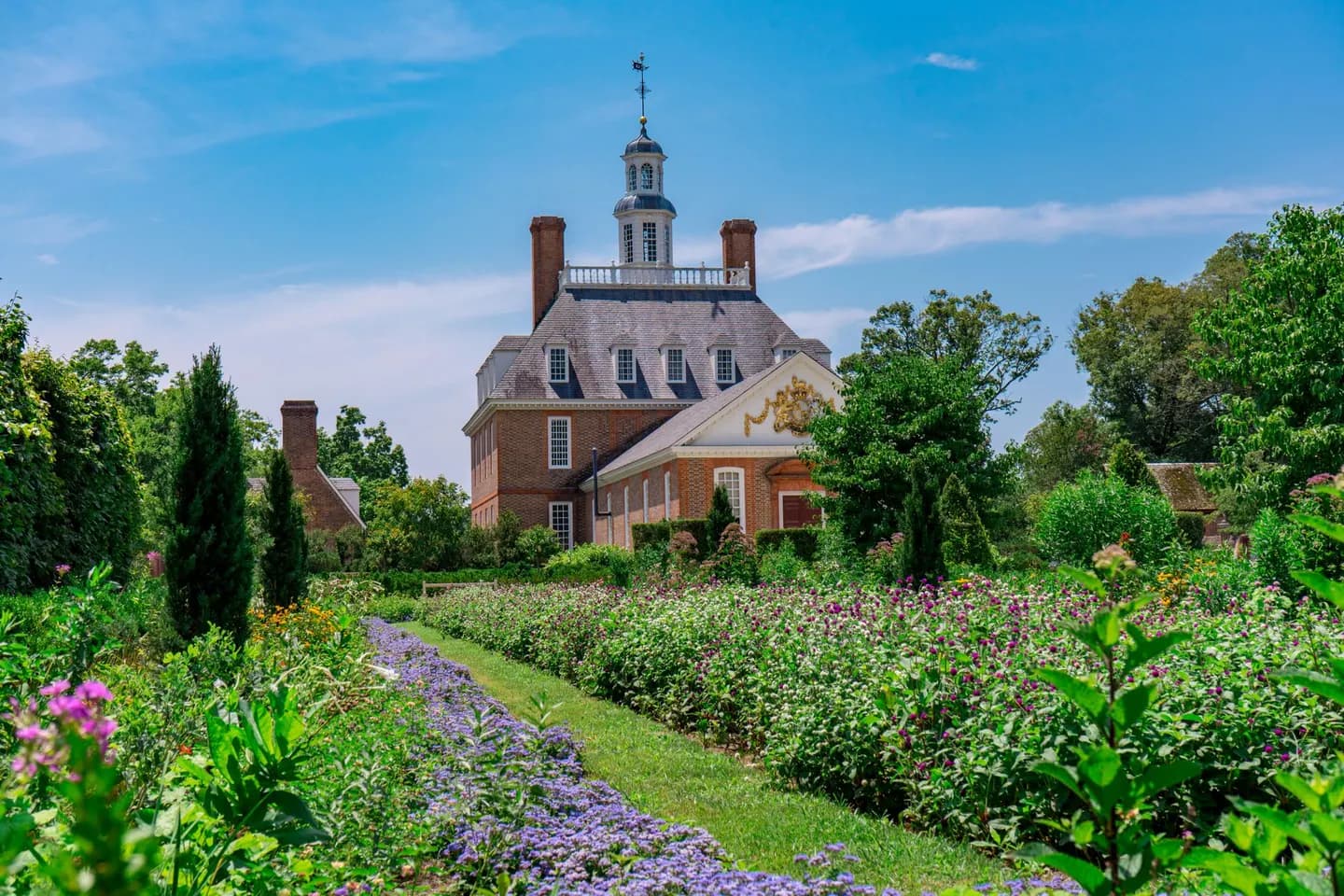
Williamsburg
Aging-in-place remodeling in Williamsburg and James City County: 27.9% of the county is 65 and over, the highest share we serve in Virginia, and who pays.
Read the guide
McLean
Aging-in-place remodeling in McLean, VA: 20.2% of residents are 65 and over, homes with a 1977 median build year, DPOR license classes, permits, and who pays.
Read the guide
Fort Hunt
Aging-in-place remodeling in Fort Hunt, VA: 21.0% of residents are 65 and over, 1964 ramblers on the Mount Vernon corridor, DPOR licensing, permits, who pays.
Read the guideQuestions people ask
How many seniors live in Virginia?
1,547,113 Virginians were 65 or older on July 1, 2024, 17.6% of the state, according to Census Bureau Vintage 2024 estimates. That is up 176,671 people, or 12.9%, since July 2020. Fairfax County has the largest count at 184,531.
What license does a Virginia contractor need for an aging-in-place remodel?
A DPOR Board for Contractors license in the class that matches the job: Class C for projects over $1,000 and under $30,000, Class B from $30,000 up to $150,000, Class A at $150,000 and more. Plumbers and electricians need their own tradesman license. Check the name and number at DPOR's License Lookup.
Does Virginia have a tax credit for accessibility remodeling?
Yes. The Livable Home Tax Credit from the Department of Housing and Community Development returns 50% of the cost of a qualifying retrofit, up to $6,500, when the work adds a permanent feature such as a zero-step entrance, 32-inch doors or an accessible bathroom. The application is due by January 31 of the year after the work is finished.
Does Medicaid pay for home modifications in Virginia?
Virginia's Medicaid agency is the Department of Medical Assistance Services (DMAS). Ask DMAS or your local Area Agency on Aging whether home modifications are covered for your situation and whether there is a waitlist. Most Virginia families pay directly.
Do I need a permit for a wheelchair ramp in Virginia?
Under the Virginia Uniform Statewide Building Code, a temporary ramp to a dwelling entrance 30 inches or less above grade is exempt. A permanent ramp, moved plumbing, a new circuit or a removed wall goes through your city or county building official.
What does aging-in-place remodeling cost in Virginia?
National ranges apply, and Virginia runs below the national average: $2,500 to $9,000 for a curbless shower, $6,600 to $28,000 for a full accessible bathroom, $3,000 to $20,000 for a stair lift, $875 to $5,000 for a ramp. Get 3 written local quotes.
Free, no obligation
Tell us about the home. We match you with a certified aging-in-place remodeler.
A few questions about your project. We never charge homeowners, and we never sell your information.