California
Aging-in-Place Remodeling in California: Homes, Licenses, Who Pays
Aging-in-place remodeling in California: how seismic, water and wildfire rules change a bathroom or entry job, how to check a CSLB license, and who pays.
Updated 2026-08-05. Reviewed against our editorial standards.
California had 6,901,168 residents 65 and over on July 1, 2025, 17.5% of the state, according to the Census Bureau's Vintage 2025 estimates released in June 2026. The homes are older single-story tracts and two-story suburbs (the typical US home is 41 years old), built under seismic, water-saving and, in hillside areas, wildfire rules that reach into almost any bathroom or entry job. Anyone doing $1,000 or more of work must hold a Contractors State License Board (CSLB) license. Most California families pay directly, with Medi-Cal, Medicare Advantage, long-term care insurance, VA grants and a few county and city programs covering specific cases.
Ready to talk to a certified aging-in-place remodeler? Tell us about the home and get matched with a licensed California remodeler serving your area.
California by the numbers
- 6,901,168 Californians were 65 or older on July 1, 2025, 17.5% of 39,355,309 people (Census Bureau Vintage 2025 county estimates, released June 2026).
- That is 877,885 more than in 2020, up 14.6%, slightly behind the national growth of 16.2% (Census Bureau, Vintage 2025).
- The highest shares are in smaller counties: Nevada County 30.4%, El Dorado 26.2%, Marin 25.7%, Sonoma 24.2% (Census Bureau, 2025).
- The Contractors State License Board licenses about 285,000 contractors (CSLB).
Why California homes are different
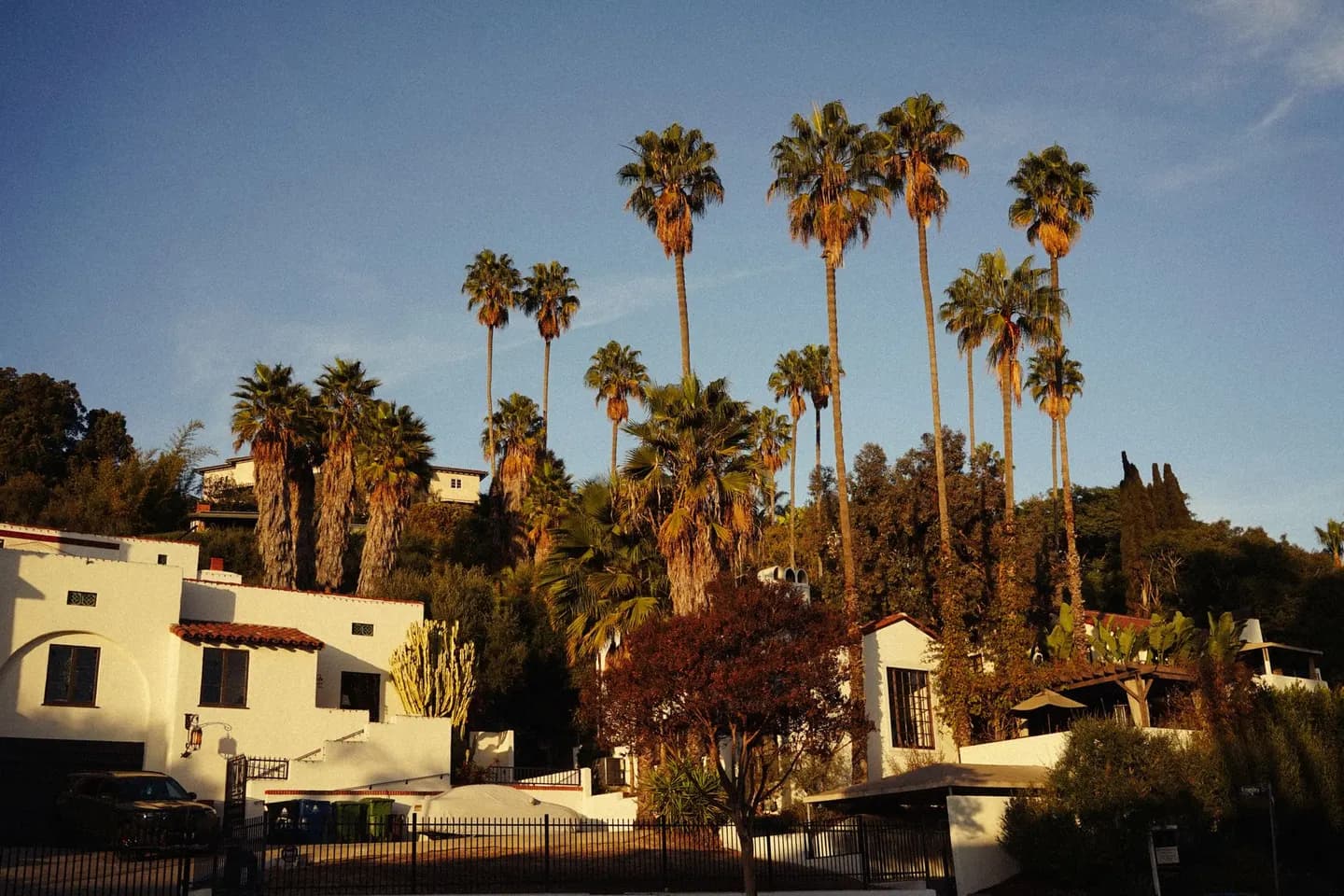
Single-story tracts, two-story suburbs, hillside lots. Older neighborhoods are largely single-story stucco houses, many on raised foundations with steps up to the front door; newer suburbs are mostly two-story; and many homes sit on sloped lots with long exterior stairs. In a single-story house the work is the entry, the bathroom and the floors, and the entry fix is railings and a ramp or step-free entry. In a two-story house it is a stair lift or moving the bedroom and bath downstairs. In a Very High Fire Hazard Severity Zone, replacement windows need dual panes with a tempered pane or a 20-minute rating (California Wildland-Urban Interface Code).
Earthquake and water rules. Every new or replacement water heater must be strapped or braced (Health and Safety Code 19211). CALGreen caps showerheads at 1.8 gallons per minute, faucets at 1.2 and toilets at 1.28 gallons per flush, and an alteration can require replacing noncompliant fixtures elsewhere in the house (Civil Code 1101.4). A bathroom safety remodel also needs a shower valve limited to 120°F, safety glazing and GFCI outlets, and the cheap quote leaves those out.
What needs a permit. Replacing or relocating a toilet, sink, tub or shower, altering electrical, or replacing drywall needs a permit. Towel bars, mirrors and paint do not. A grab bar is handyman work; a curbless shower is a permit job every time.
Checking a California contractor's license
The usual classes for an aging-in-place remodel are B General Building, or B-2 Residential Remodeling, which covers existing wood-frame homes but cannot alter load-bearing walls or substantially change plumbing, electrical or heating systems. Plumbing (C-36) and electrical (C-10) are separate licenses, as are tile, glazing and flooring.
A license is required for any job of $1,000 or more in labor plus materials, a threshold that rose from $500 on January 1, 2025 under AB 2622, and for any smaller job that needs a permit or uses hired helpers.
Check the license at the CSLB's Check a License page or at (800) 321-2752. The status must be Active. The detail page shows the required $25,000 bond, workers' compensation status and any discipline. California also caps the down payment on a home improvement contract at $1,000 or 10% of the price, whichever is less. The Certified Aging-in-Place Specialist (CAPS) designation is a good sign on top of the license, not a substitute. Our guide on how to choose an aging-in-place remodeler has the full checklist.
Who pays in California
Most California families pay directly, from savings, a home equity line, or siblings splitting the cost. It is the fastest path: no pre-approval and your choice of contractor. Paying out of pocket covers the tools, including the reverse mortgage (HECM) for homeowners 62 and over.
The other channels:
- Medicare and Medicare Advantage. Original Medicare pays nothing toward home modifications. Some Medicare Advantage plans add a bathroom safety allowance (a commonly cited figure is up to $500 a year); structural work is rarely covered. See Medicare and Medicare Advantage.
- Long-term care insurance. Many policies include a home modification benefit tied to help with activities of daily living, after pre-approval. See long-term care insurance.
- Medi-Cal. California's Medicaid program is run by the Department of Health Care Services. Ask it what home modification coverage exists and whether there is a waitlist. See Medicaid waivers.
- Veterans. The VA's HISA grant pays for medically necessary alterations prescribed by a VA clinician. See VA grants.
- Property tax. Accessibility work for a disabled resident is excluded from reassessment under Revenue and Taxation Code sections 74.3 and 74.6. File form BOE-63 or BOE-63-A with the county assessor before the work or within 30 days of finishing it. Federal tax deductions may apply.
- County and city programs. There is no statewide grant for senior home modifications. Los Angeles County, the City of Los Angeles and San Diego County each run an income-limited repair program, Rebuilding Together affiliates in Sacramento, Silicon Valley, San Francisco, San Diego and Los Angeles install free grab bars, railings and ramps for low-income older homeowners, and many cities run CDBG-funded accessibility grants. Most have waitlists. Details are on the city pages and on senior bathroom remodel programs.
The state unit on aging is the California Department of Aging, (916) 419-7500, which funds 33 Area Agencies on Aging. Call 800-510-2020 to reach yours, or use the department's county finder.
Where we work in California
Los Angeles. 1,653,035 residents 65 and over in Los Angeles County, 17.1% (2025), and 2 local grant programs. See aging-in-place remodeling in Los Angeles.
Orange County. 581,218 residents 65 and over, 18.5%, the highest share of the big markets (2025). See Orange County.
San Diego. 573,993 residents 65 and over, 17.5% (2025), with a county home repair program. See San Diego.
Palm Springs and the Coachella Valley. Riverside County: 435,849 residents 65 and over, 17.1% (2025), the fastest-growing big county. See Palm Springs and the Coachella Valley.
Sacramento. 275,559 residents 65 and over, 17.0% (2025); neighboring El Dorado County is 26.2%. See Sacramento.
Outside these areas, request a match anyway. A certified aging-in-place remodeler serving your area will reach out once matched.
What it costs in California
The national ranges are estimates from 2022 to 2026 secondary sources: a curbless shower conversion $2,500 to $9,000, a full aging-in-place bathroom $6,600 to $28,000, a stair lift $3,000 to $20,000, an entrance ramp $875 to $5,000. California labor is well above the national average: Turner and Townsend's 2025 survey ranks San Francisco and Los Angeles among the most expensive cities in the world to build in, behind only New York in the US. Expect the upper half of each range, and get 3 written local quotes. The cost guide has every range.
Ready to talk to a certified aging-in-place remodeler? Request a match and talk to a licensed California remodeler serving your area.
Cities and counties
Local guides for California

Los Angeles
Aging-in-place remodeling in Los Angeles County: hillside steps, raised-foundation bungalows, CSLB licensing, the LACDA and Handyworker grants, and costs.
Read the guide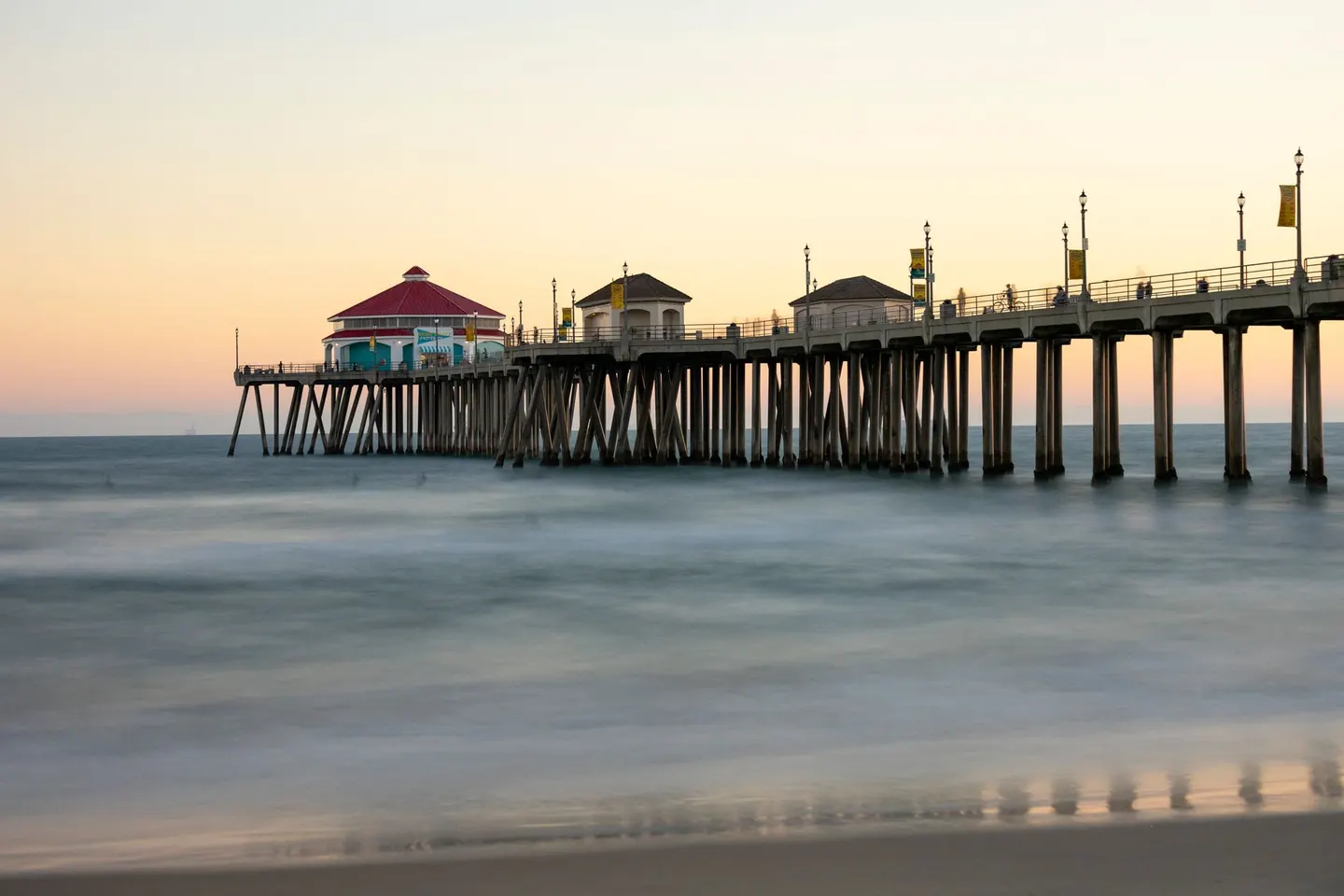
Orange County
Aging-in-place remodeling in Orange County, CA: two-story tract homes and stair lifts, association approvals, CSLB licensing, who pays, and what the work costs.
Read the guide
San Diego
Aging-in-place remodeling in San Diego County: ranch homes and canyon lots, CSLB licensing, the county Home Repair Program, Rebuilding Together, and costs.
Read the guide
Palm Springs and the Coachella Valley
Aging-in-place remodeling in Palm Springs, Rancho Mirage and the Coachella Valley: single-story desert homes, association rules, CSLB licensing, and who pays.
Read the guide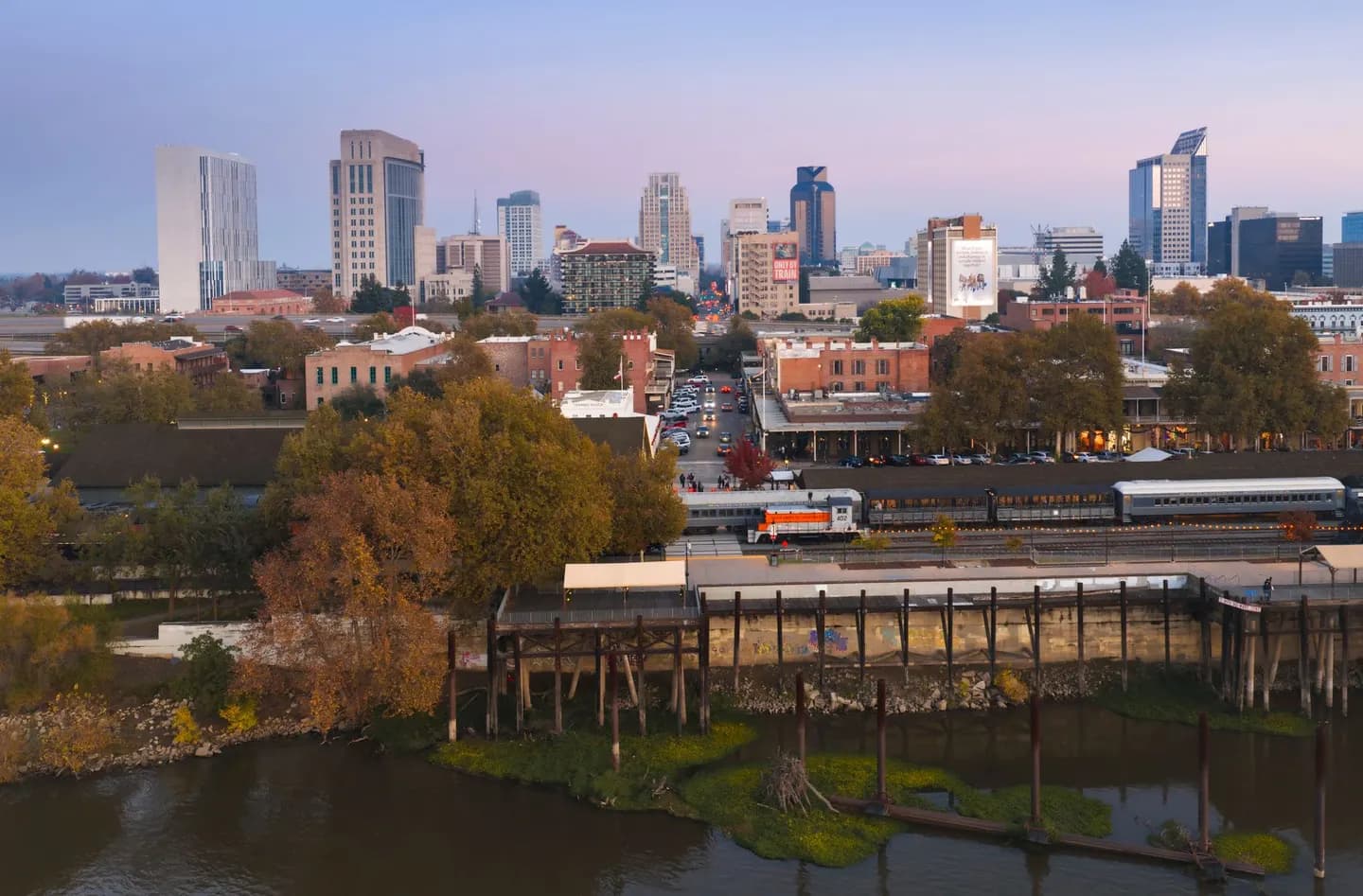
Sacramento
Aging-in-place remodeling in Sacramento County: raised-foundation bungalows and ramps, hot summers, CSLB licensing, Rebuilding Together Sacramento, who pays.
Read the guide
Saratoga
Aging-in-place remodeling in Saratoga, CA: 26.5% of residents 65 and over, 1967-era ranch homes on hillside lots, CSLB license checks, permits, who pays.
Read the guide
Rancho Palos Verdes
Aging-in-place remodeling in Rancho Palos Verdes: 26.8% of residents 65 and over, 1967-era hillside ranch homes, lifts over ramps, CSLB checks, who pays.
Read the guide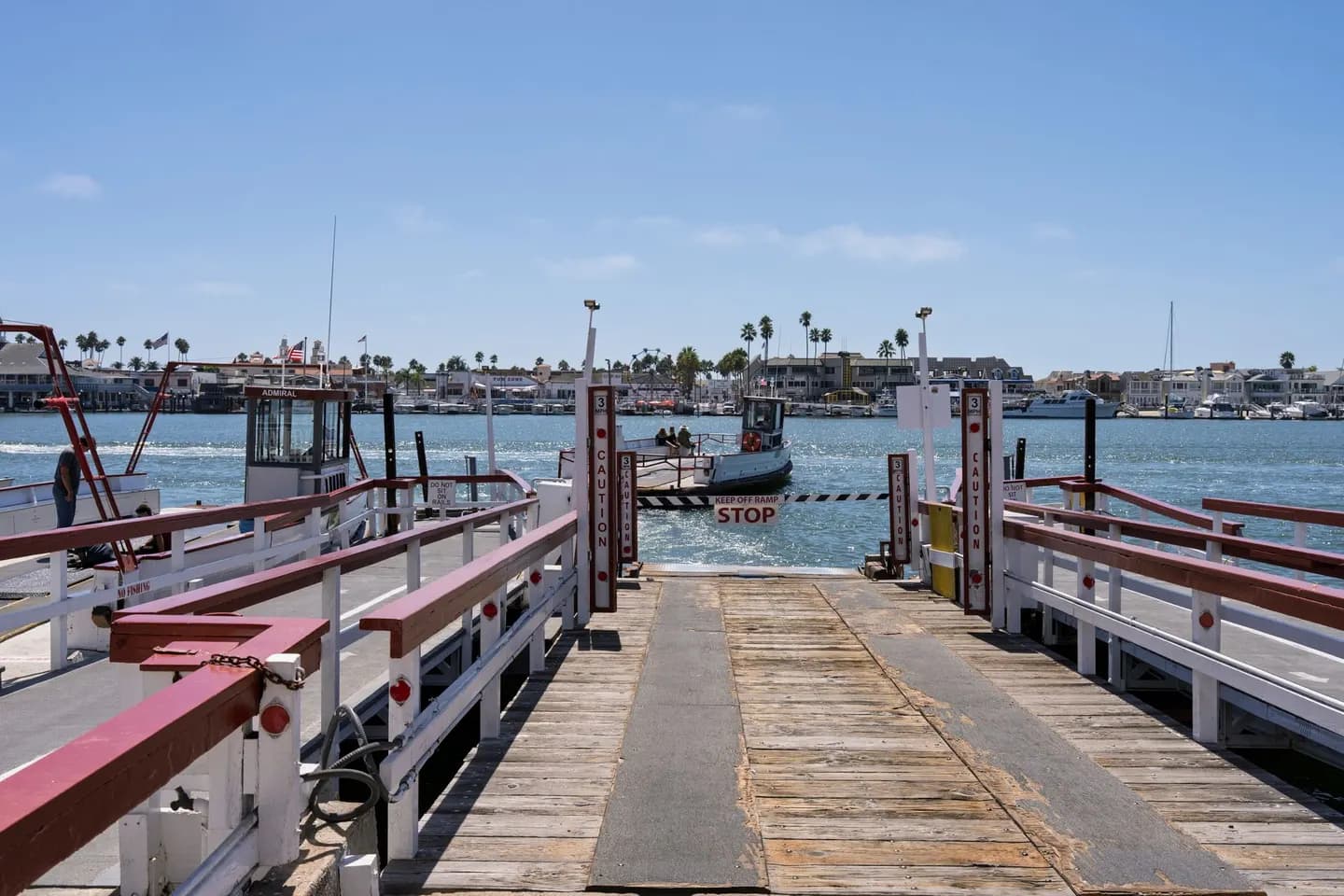
Newport Beach
Aging-in-place remodeling in Newport Beach: 24.2% of residents 65 and over, 1978-era coastal homes and condos, home elevators, CSLB checks, who pays.
Read the guideQuestions people ask
How many seniors live in California?
California had 6,901,168 residents 65 and over on July 1, 2025, 17.5% of the state, according to the Census Bureau's Vintage 2025 estimates. Los Angeles County alone had 1,653,035, followed by Orange County at 581,218 and San Diego County at 573,993.
Do I need a licensed contractor for aging-in-place work in California?
Yes for any job of $1,000 or more in labor and materials, a threshold that took effect January 1, 2025, and for smaller jobs that need a permit. The Contractors State License Board issues the B General Building and B-2 Residential Remodeling licenses; plumbing (C-36) and electrical (C-10) are separate. Check the number at the CSLB's Check a License page.
How much can a California contractor ask for up front?
On a home improvement contract the down payment may not exceed $1,000 or 10% of the price, whichever is less, under CSLB rules. Pay the rest by milestone and never in full before the work is done.
Does Medi-Cal pay for home modifications?
Medi-Cal is California's Medicaid program, run by the Department of Health Care Services. Ask it, or your Area Agency on Aging at 800-510-2020, what home modification coverage exists and whether there is a waitlist. Most California families pay for the work directly.
Will an accessibility remodel raise my California property taxes?
Accessibility work for a disabled resident is excluded from reassessment under Revenue and Taxation Code sections 74.3 and 74.6. File form BOE-63 or BOE-63-A with the county assessor before the work or within 30 days of finishing it.
What does aging-in-place remodeling cost in California?
California labor is well above the national average, so expect the upper half of the national ranges: $2,500 to $9,000 for a curbless shower, $6,600 to $28,000 for a full accessible bathroom, $3,000 to $20,000 for a stair lift, $875 to $5,000 for a ramp. Get 3 written local quotes.
Free, no obligation
Tell us about the home. We match you with a certified aging-in-place remodeler.
A few questions about your project. We never charge homeowners, and we never sell your information.