Upgrades
Widening Doorways and Hallways for a Wheelchair: Cost, Options (2026)
Widening a doorway to a 32 to 36 inch clear opening costs a few hundred to a few thousand dollars per door. Offset hinges, pocket doors, hallways, and who pays.
Updated 2026-07-14. Reviewed against our editorial standards.
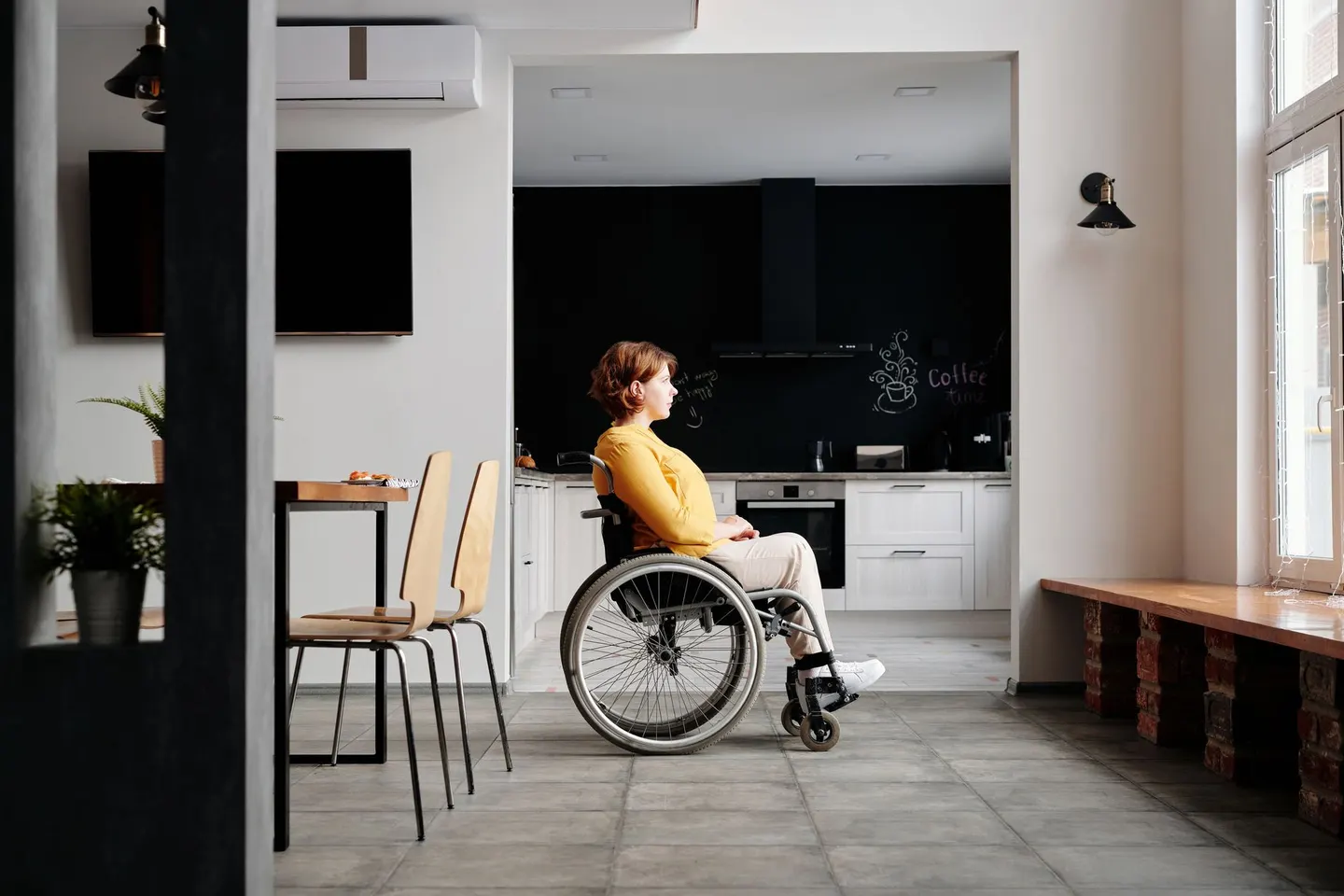
Widening a doorway means removing the door, the frame and part of the wall to create a clear opening of 32 to 36 inches, the usual target for a wheelchair, then installing a wider door. It typically costs a few hundred to a few thousand dollars per door, depending on whether the wall is load-bearing and whether electrical runs through it. Offset (swing-clear) hinges are the cheap first step, and a pocket door solves a tight bathroom. There is no reliable national range, so get local quotes.
Ready to talk to a certified aging-in-place remodeler? Tell us which doors are too narrow and a certified aging-in-place remodeler serving your area will reach out once matched: get matched for widened doorways.
What it is and who it is for
Start by measuring the clear opening, which is not the width of the door: open it all the way and measure from the face of the door to the stop on the opposite side of the frame. Bedroom doors in older homes often come up short, and bathroom doors are usually the narrowest in the house.
Widening is for a wheelchair or power chair user, someone with a wide walker or rollator, and someone who needs a caregiver beside them through the door. It is usually part of a bathroom safety remodel or a main-floor bedroom and bath project, and it pairs with ramp and threshold work at the entry.
The cheap fix first: offset hinges
Offset hinges, also called swing-clear hinges, replace the existing hinges and swing the open door fully out of the opening. That gives back the width the door slab was taking up, which is sometimes enough to make a tight doorway passable. They fit the existing door and frame and go in quickly.
Two other quick wins: remove the door where privacy does not matter, and remove the stop molding on the frame. If the frame itself is too narrow, nothing short of widening will do.
What widening a doorway involves
Non-load-bearing wall, no wiring. The simplest case: trim and jamb out, framing cut back, a new frame, drywall and flooring patched, paint, and a wider door with lever hardware.
Load-bearing wall. The wall is holding up what is above it, so the opening needs temporary support while a new, longer header (the beam over the door) is installed, sized by someone qualified, and the job needs a permit. This is the expensive end.
Wiring and plumbing. The light switch is almost always beside the door, so moving it is routine but adds an electrician. Bathroom walls can hide plumbing, and some walls carry air-conditioning returns.
Ask for the new door to swing out of the bathroom, not in. If someone falls inside, an in-swinging door can be blocked by the person on the floor.
Pocket doors and other options
A pocket door slides into the wall, so nothing swings into a small bathroom and the full opening is usable. It needs a clear stretch of wall beside the door, about as wide as the door, with no wiring or plumbing in it. Choose heavy-duty track; cheap pocket doors rattle and jam, and a stuck door is a trapped person. Fit a D-shaped pull a weak hand can grip.
Where the wall is not free, a surface-mounted sliding door (barn-style) runs on a track outside the wall, with the same full opening but less privacy. A bi-fold door is a weaker third choice.
Hallways
Most hallways are wide enough for a wheelchair going straight; the problem is the turn into a room, where the chair needs room to swing. Widening a hallway means moving a wall along its whole length, with everything inside it, a far bigger job than widening a door and usually done only as part of a main-floor suite remodel.
The cheaper moves: widen the doorway at the turn, remove doors at the hallway ends, clear furniture, and smooth the transitions between floor types so a wheel does not catch. For thresholds and flooring, see non-slip flooring.
What it costs
| Option | What to expect |
|---|---|
| Offset hinges and lever handles | Inexpensive hardware, quick install |
| Widen a non-load-bearing doorway with no wiring | Low end of a few hundred to a few thousand dollars per door |
| Widen a load-bearing doorway with electrical to move | High end of that range per door, plus permit |
| Convert to a pocket door | More than a swing door, because the wall beside the door is opened and rebuilt |
Each door is its own small project, so 3 doors cost roughly 3 times 1. Get 3 written quotes that price each door separately. Our aging-in-place remodeling costs guide shows where this sits among the other upgrades.
Who pays for widening doorways
Most families pay directly, with no pre-approval. See paying out of pocket.
- Original Medicare does not pay for doorway widening or any home modification. Medicare Advantage coverage of structural work is rare.
- VA grants: widened doorways are a classic use of the HISA grant when prescribed by a VA clinician.
- Long-term care insurance commonly lists widened doorways in its home modification benefit, with pre-approval and a cap.
- Medicaid waivers cover certain home modifications in some states when they are in the care plan. Waitlists exist.
- Tax deductions. Widening a doorway for medical reasons can count as a medical expense to the extent it does not add value to the home.
How long it takes and what to look for
Offset hinges take an hour or so. Widening a doorway in a non-bearing wall is usually 1 or 2 days plus drying time for paint and patches; a load-bearing wall or a permit adds days, and a wider door may need ordering.
Structural work in Florida needs a DBPR-licensed contractor, and moving a switch needs a licensed electrician; verify both at the DBPR license search. A good remodeler asks the actual width of the wheelchair and walks the path from bed to bathroom before quoting. Ask for the Certified Aging-in-Place Specialist (CAPS) designation; it is training, not a license, so check insurance too. Never pay in full up front. Our guide to choosing an aging-in-place remodeler has the full checklist.
Florida notes
Many Florida homes have concrete block exterior walls. Widening an exterior door in block means cutting block and setting a new lintel, a bigger job than an interior door, and the new door should keep the hurricane-rated (impact-rated) protection the home already has. Older single-story Florida homes often have narrow bathroom doors, so this is a common first project.
Ready to talk to a certified aging-in-place remodeler? Measure the clear opening of the worst door and tell us, and a certified aging-in-place remodeler serving your area will reach out once matched: get matched for widened doorways.
Questions people ask
How wide does a doorway need to be for a wheelchair?
The usual target is a 32 to 36 inch clear opening. Measure with the door open, from the face of the door to the stop on the opposite side, not the width of the frame. 36 inches is more comfortable where the chair has to turn into the room.
How much does it cost to widen a doorway?
Typically a few hundred to a few thousand dollars per door. A non-load-bearing wall with no wiring is the low end; a load-bearing wall with a light switch and outlet to move is the high end. Get local quotes.
What are offset hinges?
Offset or swing-clear hinges move the open door completely out of the opening, giving back the width the door itself was taking up. They fit the existing door, install quickly, and are the first thing to try before cutting a wall.
Is a pocket door good for an accessible bathroom?
Yes, when the wall beside the door is free of wiring and plumbing. A pocket door slides into the wall, so there is no door swinging into the room. Choose heavy-duty track and a pull that is easy to grip.
Do I need a permit to widen a doorway?
Usually yes when the wall is load-bearing or electrical has to move, and in Florida that work must be done under a licensed contractor. Swapping a door in a non-bearing wall sometimes does not need one. Check with the local building department.
Does Medicare pay to widen doorways?
No. Original Medicare does not pay for home modifications. VA grants, long-term care insurance and Medicaid waivers can help when the person qualifies.
Free, no obligation
Tell us about the home. We match you with a certified aging-in-place remodeler.
A few questions about your project. We never charge homeowners, and we never sell your information.