Guides
Stair Lift vs Home Elevator: Which Fits Your Home and Budget
A stair lift costs $3,000 to $20,000 installed; a home elevator is a five-figure project. How to choose on space, wheelchair use, who pays and the alternatives.
Updated 2026-09-21. Reviewed against our editorial standards.
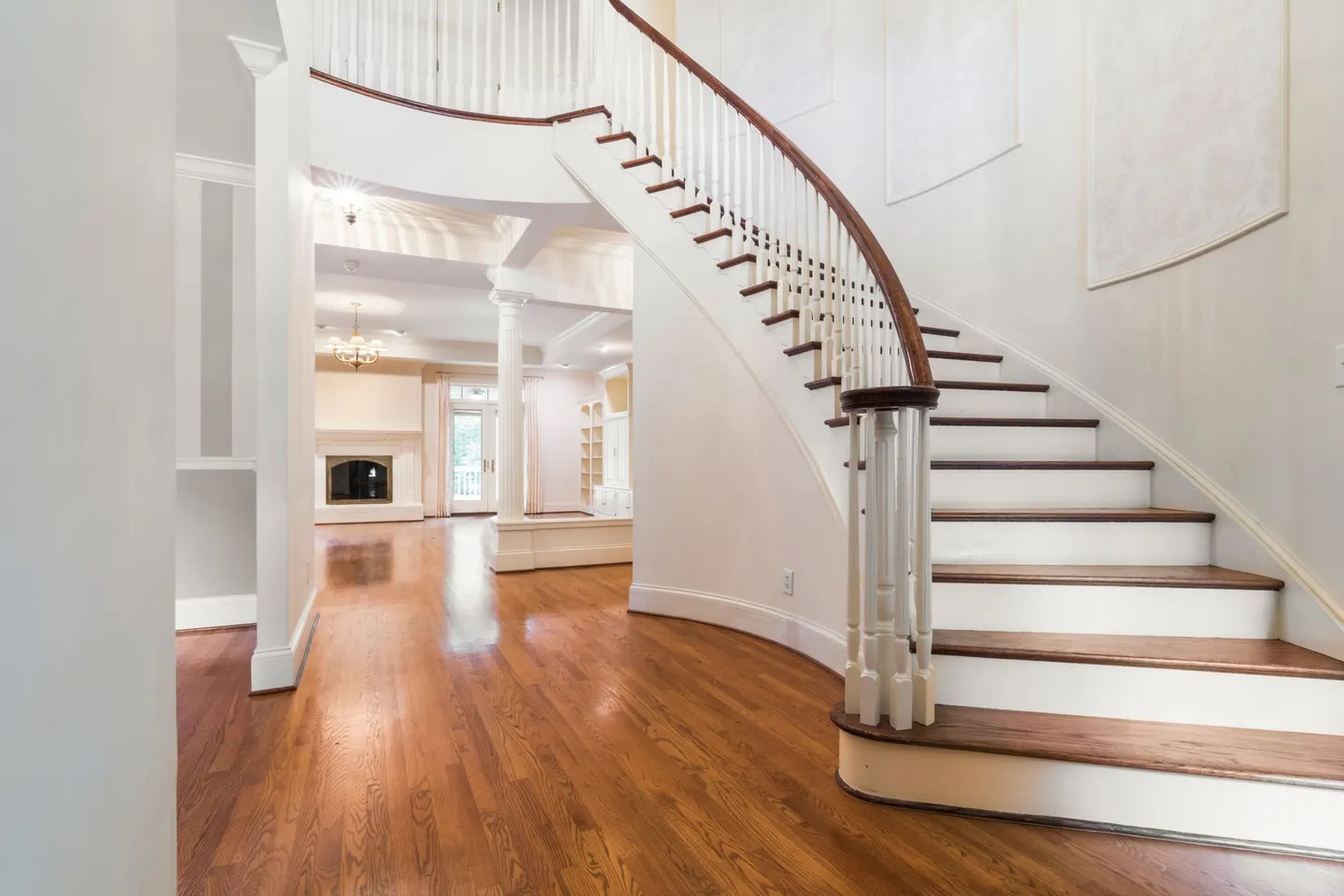
For most homes, a stair lift is the answer: $3,000 to $20,000 installed (averages $7,000 to $8,000 in national estimates from 2022 to 2026 sources), it rides the staircase you already have, and it suits someone who can still sit down and stand up on their own. A home elevator is a five-figure construction project that makes sense when the person uses a wheelchair, the house has room for a shaft, and the family plans to stay for years. For a short rise at an entry or a garage, a vertical platform lift costs a fraction of an elevator. For some two-story homes the honest answer is neither: move the bedroom and bath to the main floor.
Ready to talk to a certified aging-in-place remodeler? Tell us about the stairs and the person who uses them, and get matched with a stair lift and elevator remodeler serving your area.
The short comparison
| Stair lift | Vertical platform lift | Home elevator | |
|---|---|---|---|
| Who it moves | 1 seated person | A person in a wheelchair, a short rise | A person, a wheelchair and a helper, between full floors |
| Installed cost (national estimates) | $3,000 to $20,000, averages $7,000 to $8,000 | A fraction of an elevator | Five figures |
| Construction | A rail bolted to the stair treads, an outlet nearby | A pad and a circuit | A shaft through the floors, a pit, electrical, permits |
| Best for | Someone who can sit and stand on their own | Entry steps, or a garage below a raised main floor | A wheelchair user in a home the family will keep |
All prices are national estimates; get local quotes.
Space: what each one asks of the house
A stair lift lives on the staircase. The rail bolts to the treads, and the seat and footrest fold up so others can walk past. A straight run is the cheap end; a landing or a curve needs a custom rail, which is the expensive end, as is an outdoor lift. It needs an outlet nearby, and in Florida a battery backup matters, because a lift that stops halfway up during a hurricane outage is a real problem.
A home elevator needs a shaft the full height of the house: stacked closets, a corner of a garage with a room over it (common in elevated coastal homes), or a small addition outside the wall. Add a pit below, headroom above, a dedicated circuit, and the floor space the shaft takes on every level.
A vertical platform lift is for a short rise only, such as entry steps or a garage below a raised main floor. It needs a level pad and a circuit; outdoor units in Florida need weather-rated parts for humidity and salt air.
Construction and permits
A stair lift is not construction. The installer bolts a rail to the treads, plugs it in, and leaves. An elevator is a remodel: cutting through floors, framing the shaft, electrical, drywall, finishes, a building permit and inspections. In Florida that means a contractor with a DBPR license (Certified General, Building or Residential Contractor), with electrical work under its own license; verify both at the DBPR license search. The order lead time for the unit is often the longest part, so get it in writing.
The wheelchair question decides more than money
A stair lift carries a seated person. The rider has to move from a wheelchair to the lift seat, ride, and move again at the top, which means a second wheelchair upstairs or someone to carry the chair. If those transfers are getting harder, a stair lift bought today may be unusable next year, the most common expensive mistake in this decision.
Ask the occupational therapist or doctor what mobility is likely to look like over the next year or two. If a wheelchair is expected, an elevator or a platform lift carries the chair and the person together, and the choice between those two comes down to the height of the rise.
Who pays
Most families pay directly, and that is the fastest route: no pre-approval, your choice of contractor, work can start this week. Paying out of pocket covers the tools, from savings and a home equity line to splitting the cost among siblings with a written agreement. Get 3 written quotes from licensed and insured contractors, tie payments to milestones, and never pay in full up front.
Long-term care insurance is the policy most likely to help. Many policies include a home modification or equipment benefit that names stair lifts, tied to the insured's need for help with activities of daily living, with pre-approval, a clinician's documentation and usually a dollar cap, which matters more for a five-figure elevator than for a stair lift. Call the carrier before buying.
Original Medicare pays for neither, and Advantage extras are usually a bathroom safety allowance, not lifts; see Medicare and Medicare Advantage. Veterans should read VA grants first. On taxes, a modification made for medical reasons counts as a medical expense (IRS Publication 502) only to the extent it does not add value to the home, and an elevator can add value; see tax deductions.
The alternative: move life to the main floor
For some two-story homes, neither machine is the right answer. A main-floor bedroom and bath converts a downstairs den or dining room into a bedroom and adapts a nearby bathroom with a curbless shower, grab bars and a comfort-height toilet. The cost turns on whether plumbing already runs nearby, whether doorways need widening to the 32 to 36 inch clear opening a wheelchair needs, and finishes. It takes the stairs out of daily life instead of mechanizing them.
Most Florida homes are single-story, so the question there is usually the entry steps, where a wheelchair ramp ($875 to $5,000 in national estimates) or a platform lift fits better than anything on this page.
How to decide
- Ask the occupational therapist or doctor whether a wheelchair is expected in the next year or two.
- Measure the house: a straight staircase, a stack of closets for a shaft, or a short rise at the entry.
- Get written quotes for the options that fit, plus the main-floor conversion if a room exists, and check the long-term care policy or VA eligibility before signing.
Ready to talk to a certified aging-in-place remodeler? Describe the staircase and get matched with a remodeler serving your area.
Questions people ask
How much does a home elevator cost compared to a stair lift?
National estimates from 2022 to 2026 sources put a stair lift at $3,000 to $20,000 installed, with averages of $7,000 to $8,000. A residential elevator is a five-figure project once the shaft, electrical work, permits and the unit are counted. Get written local quotes for both.
Can a stair lift carry a wheelchair?
No. A stair lift carries 1 seated person, so the rider has to move from the wheelchair to the lift seat and back, with a second chair waiting at the other end. A vertical platform lift or an elevator carries the wheelchair itself.
Does Medicare pay for a stair lift or a home elevator?
Original Medicare does not pay for stair lifts, elevators or any home modification. It covers some durable medical equipment such as walkers and commodes when medically necessary. Some Medicare Advantage plans add a small bathroom safety allowance, but lifts are not part of it.
Does long-term care insurance cover a stair lift?
Many policies include a home modification or equipment benefit that names stair lifts, tied to the insured's need for help with daily activities, with pre-approval, a clinician's documentation and usually a dollar cap. Read the policy or call the carrier before buying anything.
What is a vertical platform lift and when is it the right choice?
A vertical platform lift raises a person in a wheelchair a short distance on an open or partly enclosed platform, usually at an entry or between a garage and a raised main floor. It costs a fraction of an elevator and fits when the rise is short, not a full floor.
Is a home elevator worth it, or should we move the bedroom downstairs?
If the house has a room downstairs that can become a bedroom and a bathroom nearby that can be adapted, a main-floor suite removes the stairs from daily life without a shaft or machinery. Get quotes for both and ask the occupational therapist which one fits the person.
Free, no obligation
Tell us about the home. We match you with a certified aging-in-place remodeler.
A few questions about your project. We never charge homeowners, and we never sell your information.