Guides
How to Choose an Aging-in-Place Remodeler (CAPS, License, Quotes)
Before hiring an aging-in-place remodeler, check the state license (Florida DBPR), insurance, CAPS training, 3 written quotes, milestone payments, red flags.
Updated 2026-07-24. Reviewed against our editorial standards.
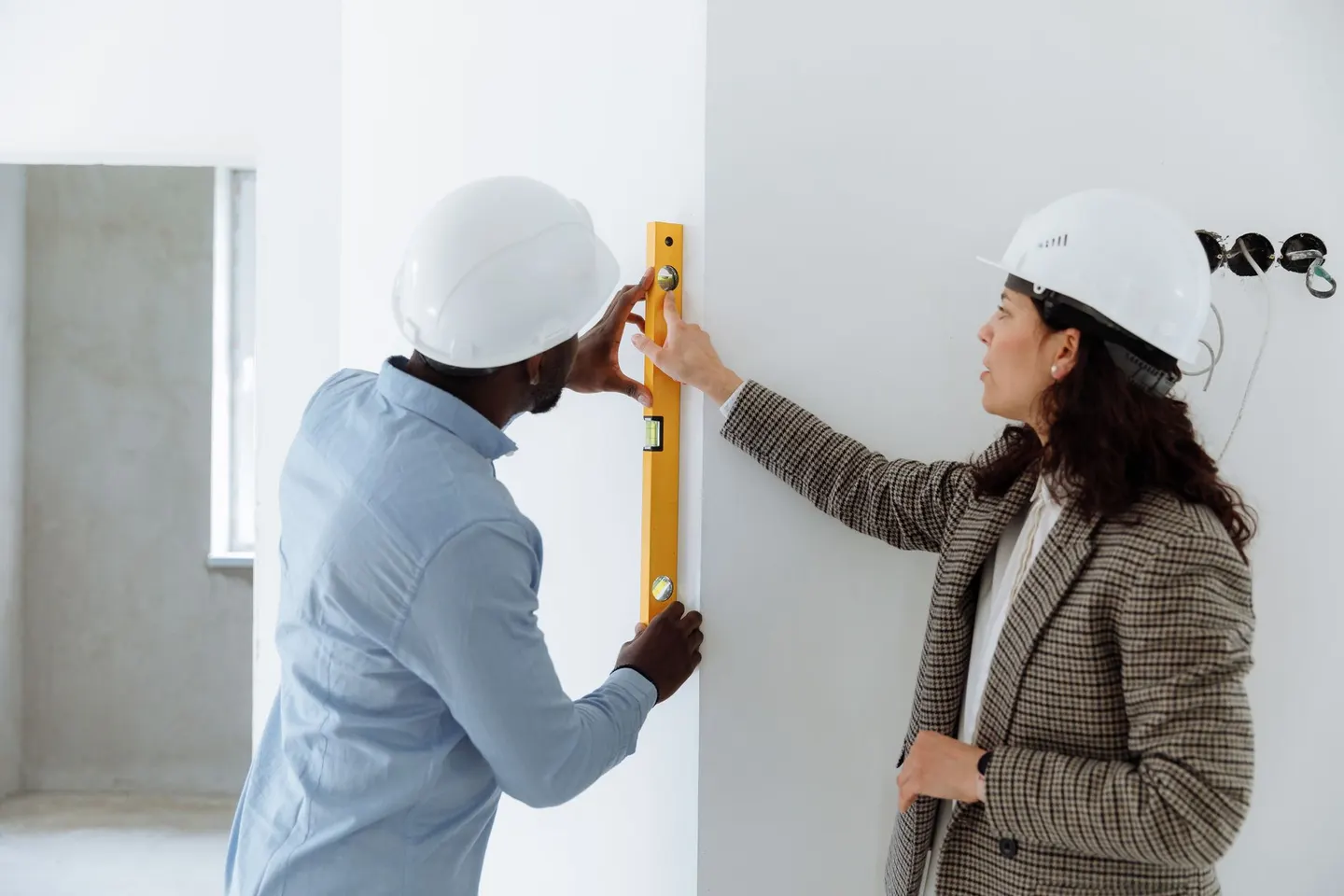
Choose an aging-in-place remodeler by checking 3 things in this order: a current state contractor license (in Florida, verified at the DBPR license search), proof of liability and workers' compensation insurance, and real aging-in-place experience, such as the NAHB's Certified Aging-in-Place Specialist (CAPS) training plus photos of finished bathrooms and entries. Then get 3 written quotes, pay by milestone, and walk away from anyone who says Medicare will pay for it.
Ready to talk to a certified aging-in-place remodeler? Skip the cold calls and get matched with a licensed remodeler serving your area.
CAPS is training, not a license
The Certified Aging-in-Place Specialist designation is run by the National Association of Home Builders (NAHB) and was created with AARP. Holders complete 3 courses covering marketing, design concepts and solutions for aging in place. Remodelers, contractors, designers, architects and occupational therapists all hold it, and the NAHB runs a directory searchable by ZIP code.
CAPS tells you the person has studied the problem: grab bar placement, curbless shower drainage, turning room for a wheelchair. It is not a license, not insurance, and not a guarantee of workmanship. A CAPS designer who does not hold a contractor license cannot legally do your plumbing.
Demand is real (56% of remodelers do aging-in-place work, NAHB 2026), which also means some firms add the words without the training. Ask when they took the courses and how many aging-in-place bathrooms they finished last year.
Check the license
Any work that touches structure, plumbing or electrical requires a licensed contractor in Florida and in most states. In Florida the license comes from the Department of Business and Professional Regulation (DBPR): a Certified General, Building or Residential Contractor license for the remodel itself, with plumbing and electrical as separate licenses. Verify every name at the DBPR license search before you sign: active status, no open disciplinary cases. Other states' licensing boards offer the same lookup.
Handyman versus licensed contractor. A handyman without a license is limited to non-structural tasks. Grab bars, lever faucets and night lights: fine for a careful handyman. Moving a drain for a curbless shower, widening a doorway in a load-bearing wall, running a circuit for a stair lift or building a ramp that needs a permit: licensed contractor. If a "handyman" offers to do the whole bathroom for cash, that is the moment to stop.
Insurance
Ask for a certificate of insurance showing general liability and workers' compensation, and call the insurer to confirm it is current. Liability covers damage to the home; workers' compensation means an injured worker does not sue the homeowner. A contractor who hesitates to produce the certificate is telling you something.
3 written quotes, and what a good quote includes
Get 3 written quotes for the same scope. Hand each contractor the same list (the occupational therapist's recommendations, or your aging-in-place checklist results) so the quotes line up. A good quote includes:
- Scope of work, item by item, with measurements (a 36-inch clear bathroom door, grab bars at named locations)
- Products and finishes named, with allowances for undecided items
- Who pulls permits and schedules inspections
- Start date and estimated finish
- Payment schedule tied to milestones
- Warranty on labor, and manufacturer warranties on products
- What is not included (painting, hauling the old tub)
Compare the quotes to the national ranges in our cost guide; a full aging-in-place bathroom runs $6,600 to $28,000. A quote far below the range is as much of a warning as one far above it.
Milestone payments
Never pay in full up front. A normal schedule is a deposit at contract signing, a payment when rough plumbing or framing passes inspection, and the balance when the job is complete and you have walked it. Florida does not cap deposits, but a contractor who takes more than 10% of the contract price up front must apply for permits within 30 days and start work within 90 days after they are issued (Florida Statutes 489.126), so a demand for most of the money before work starts is a red flag on its own. Pay by check or card, never cash, and keep receipts: work done for medical reasons may count toward a medical expense tax deduction.
Questions to ask
- Which license number covers this job, and who holds the plumbing and electrical licenses?
- Can I see 3 finished aging-in-place projects, and talk to one of those homeowners?
- Who will be in my parent's home each day, and who supervises?
- How do you keep the bathroom usable overnight during a shower conversion?
- What happens when the occupational therapist's recommendations change mid-job?
Red flags
- "Medicare pays for this." Original Medicare does not pay for walk-in tubs, showers, grab bars, ramps or stair lifts; some Medicare Advantage plans have a small bathroom safety allowance, confirmed only by the plan's Summary of Benefits. See Medicare and Medicare Advantage.
- Door-to-door "program" pitches. There is no national government program that pays for a bathroom remodel. Anyone at the door talking about a "senior program" for a walk-in shower is selling a product at a mark-up. Real help (Medicaid waivers, VA grants, long-term care insurance) does not send salespeople to the door. Our page on senior bathroom remodel programs explains the ads.
- Pressure to sign today for a price "good until midnight."
- No written quote, or a one-line quote with a single number.
- Cash only, no permits, no insurance certificate.
- A license number that does not match the name on the quote.
- No questions about the person. A remodeler who does not ask how your parent moves and bathes is designing for nobody.
Next step
Most families pay for this work directly, with their choice of contractor; paying out of pocket covers the options. When you request a match here, a certified aging-in-place remodeler serving your area will reach out once matched, and you still run every check above.
Ready to talk to a certified aging-in-place remodeler? Request a match and talk to a licensed remodeler serving your area.
Questions people ask
What is a Certified Aging-in-Place Specialist (CAPS)?
CAPS is a designation from the National Association of Home Builders, created with AARP. Holders complete 3 courses on aging-in-place marketing, design concepts and solutions. Remodelers, contractors, designers, architects and occupational therapists hold it. It is training, not a license.
Does a CAPS remodeler need a contractor license?
Yes, if the work is structural, plumbing or electrical. In Florida that means a DBPR license: Certified General, Building or Residential Contractor, with plumbing and electrical as separate licenses. Check the license at the DBPR license search before signing.
How many quotes should I get for an aging-in-place remodel?
Three written quotes, each itemized the same way so you can compare. A quote should list the scope, products, who pulls permits, the schedule, the payment milestones and the warranty.
How much should I pay a contractor up front?
Never pay in full up front. Tie payments to milestones: a deposit at signing, a payment when rough work passes inspection, and the balance when the job is complete and you have walked it. A demand for most of the money before work starts is a warning sign.
Is it true Medicare pays for a walk-in tub or shower?
No. Original Medicare does not pay for walk-in tubs, showers, grab bars, ramps or stair lifts. Some Medicare Advantage plans offer a small bathroom safety allowance, and only the plan's Summary of Benefits can confirm it. A salesperson who says Medicare covers the remodel is either confused or selling.
Free, no obligation
Tell us about the home. We match you with a certified aging-in-place remodeler.
A few questions about your project. We never charge homeowners, and we never sell your information.