Florida
Aging-in-Place Remodeling in St. Petersburg and Clearwater, FL
Aging-in-place remodeling in St. Petersburg and Clearwater: 265,672 Pinellas residents 65 and over, 1977-era block homes, PCCLB license checks, who pays.
Updated 2026-07-31. Reviewed against our editorial standards.
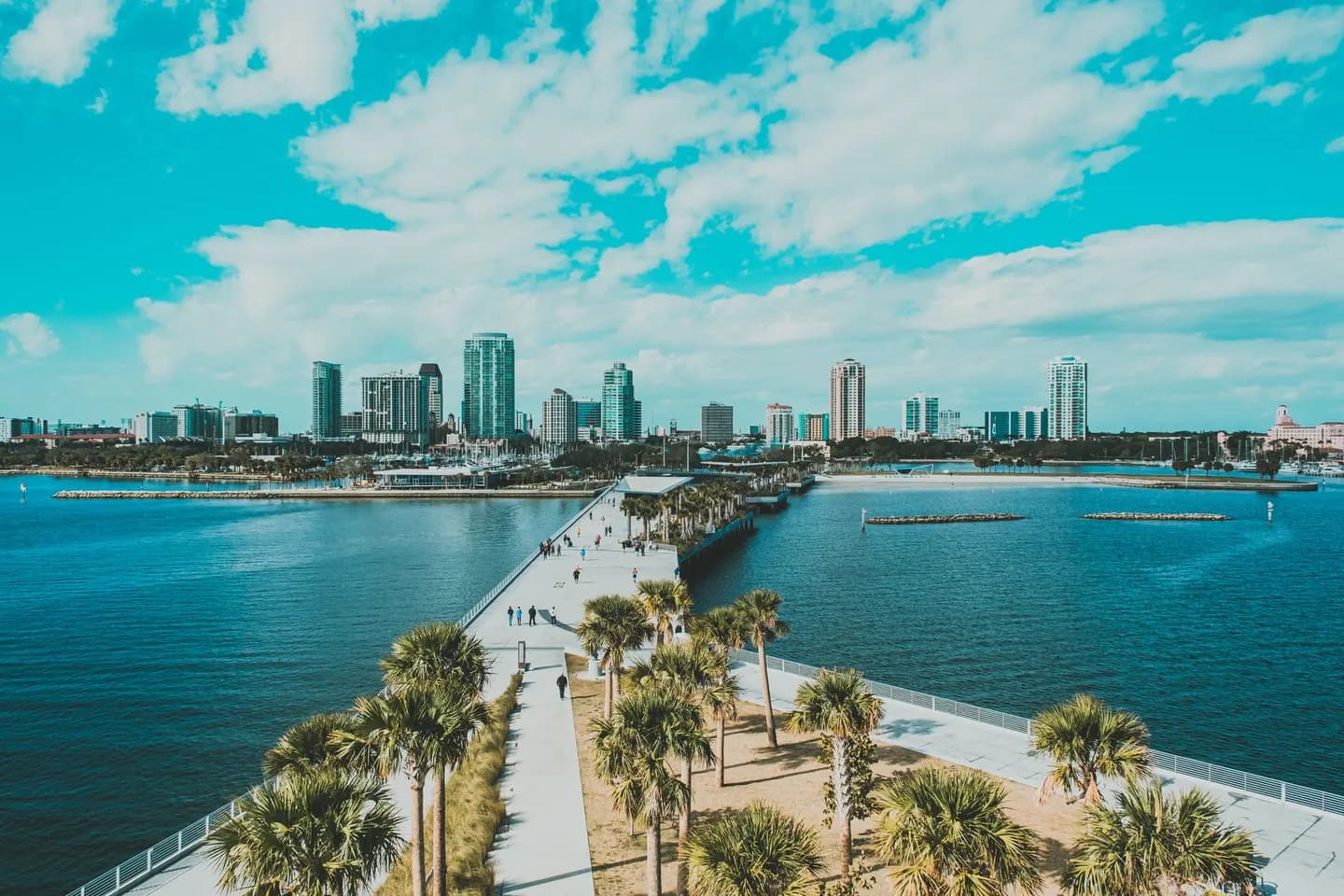
Pinellas County had 265,672 residents 65 and over in 2024, 27.5% of the county (Census Bureau, Vintage 2024 estimates): more than 1 in 4 residents. The homes are the oldest of Florida's big senior markets, median built 1977 (Census American Community Survey), typically a small concrete-block ranch on a slab with a narrow bathroom; 9.0% of units are mobile homes. Structural, plumbing and electrical work needs a Florida DBPR license, and Pinellas runs its own Construction Licensing Board on top. The most common projects are the accessible bathroom, grab bars, and non-slip floors over 1970s tile and terrazzo.
Ready to talk to a certified aging-in-place remodeler? Tell us about the house and get matched with a licensed remodeler serving Pinellas County.
St. Petersburg and Clearwater by the numbers
- 265,672 Pinellas residents were 65 or older in 2024, 27.5% of the county (Census Bureau, Vintage 2024 county estimates). Florida as a whole is 21.8%.
- Median Pinellas home built 1977, the oldest housing stock of any major Florida senior market; 9.0% of housing units are mobile homes (Census American Community Survey, 2024 5-year).
- The Hillsborough side is younger and larger (245,345, 15.5%): see Tampa Bay.
The homes here
The 1950s to 1970s block ranch is the standard house from St. Petersburg north to Dunedin: single-story, low to the ground, tile or terrazzo floors that turn slick when wet, and a bathroom sized for 1965. Most have no interior stairs; everything else is small and old.
The entry. One step at the front door and one from the garage is typical, so a short ramp or a step-free entry is a modest project (ADA guidance is 1 foot of ramp per inch of rise); a manufactured home sits higher and needs a longer ramp with a landing. Under the Florida Building Code a replacement front door must be impact-rated or shuttered in a wind-borne debris region; Pinellas County publishes its own opening-protection form, and homes permitted before March 1, 2002, which is most Pinellas houses, are exempt when they replace 25% or less of their glazing in 12 months.
The bathroom. A 1977 bathroom is a tub with a curb, a sliding glass door and a door too narrow for a walker. The fix is a bathroom safety remodel: a curbless shower, which on a slab means cutting the slab or building up the floor for drainage, grab bars anchored into block, a comfort-height toilet, a 32 to 36 inch door, and an exhaust fan vented outdoors as Florida code requires.
The water. The beaches and low bayfront neighborhoods like Shore Acres sit in special flood hazard areas, where the FEMA 50 percent rule can force a whole-house code upgrade, elevation included, if the remodel costs 50% or more of the structure's value, so get the structure value first. A raised home has a flight of stairs to the living floor, which is where a vertical platform lift comes in.
Licensing and permits in Pinellas County
Structural, plumbing or electrical work needs a Florida DBPR license (Certified General, Building or Residential Contractor; plumbing and electrical separate); verify it at the DBPR license search. Pinellas kept a local board: the Pinellas County Construction Licensing Board (PCCLB) licenses contractors and specialty trades at the county level and runs its own search at contractorsearch.pcclb.com, so check both. A 2021 state law (HB 735) ended local licenses with no state equivalent, so the DBPR license is the one that matters. Handyman work without a license is limited to non-structural tasks. The Florida page has the full state rule; how to choose an aging-in-place remodeler has the checklist.
Who pays
Most Pinellas families pay directly: no pre-approval, your choice of contractor, a start date this month (paying out of pocket covers savings, home equity and splitting the cost among siblings). One of Florida's 11 Area Agencies on Aging is based in St. Petersburg and doubles as the Aging and Disability Resource Center; the Elder Helpline at 1-800-963-5337 reaches it. Rebuilding Together Greater Florida covers Tampa Bay and does accessibility modifications for owner-occupants at or below 120% of area median income; Pinellas County's SHIP housing plan also allows rehabilitation. Original Medicare pays nothing toward remodeling, but some Medicare Advantage plans include a bathroom safety allowance, long-term care policies often include a home modification benefit, and veterans should ask about the VA's HISA grant. For Medicaid, ask the Agency for Health Care Administration what is covered and whether there is a waitlist.
Common projects in St. Petersburg and Clearwater
National installed estimates from 2022 to 2026 sources; Florida construction wages ran about 15% below the national average in May 2025 (BLS). Get 3 written local quotes.
- Bathroom safety remodel: $6,600 to $28,000 for the full accessible bathroom; $2,500 to $9,000 for a curbless shower conversion.
- Grab bars and railings: the hardware costs tens of dollars; the work is anchoring into 1970s block.
- Non-slip flooring: anti-slip treatment on existing tile and terrazzo is the cheap end; new textured tile in the bathroom and at the entry is the expensive end.
- Ramp or step-free entry: $875 to $5,000, average near $1,100 for a short ramp.
Ready to talk to a certified aging-in-place remodeler? Request a match and talk to a licensed remodeler serving St. Petersburg and Clearwater.
Questions people ask
How many seniors live in Pinellas County?
Pinellas County had 265,672 residents 65 and over in 2024, 27.5% of the county, according to the Census Bureau's Vintage 2024 estimates. That is more than 1 in 4 residents, against 21.8% for Florida as a whole.
Who licenses contractors in Pinellas County?
Structural, plumbing and electrical work needs a Florida DBPR license. Pinellas also has its own Pinellas County Construction Licensing Board (PCCLB) with a contractor search at contractorsearch.pcclb.com; check both before signing.
Do I need an impact-rated door if I replace or widen my front door in St. Petersburg?
The Florida Building Code requires a replacement door or window to meet the wind and impact rules for its location, which in a wind-borne debris region means an impact-rated unit or approved shutters. A 1 or 2 family home permitted before March 1, 2002, which describes most Pinellas homes, is exempt when the glazing replaced within 12 months is 25% or less of the home's glazed area.
What is the FEMA 50 percent rule and does it affect a bathroom remodel on the beach?
In a special flood hazard area, an improvement costing 50% or more of the structure's market value is a substantial improvement, and the whole home must then meet current code, including elevation to base flood elevation plus 1 foot. Homes whose lowest floor already sits that high are exempt. A full bath and kitchen remodel on an older ground-level beach home can reach the threshold, so get the structure value first.
What does an accessible bathroom cost in St. Petersburg?
National estimates from 2022 to 2026 sources run $6,600 to $28,000 for a full aging-in-place bathroom and $2,500 to $9,000 for a curbless shower conversion. Florida construction wages ran about 15% below the national average in May 2025. Get 3 written local quotes.
Free, no obligation
Tell us about the home. We match you with a certified aging-in-place remodeler.
A few questions about your project. We never charge homeowners, and we never sell your information.