Guides
Aging-in-Place Remodelers Near Me: How to Find One Worth Hiring
Finding an aging-in-place remodeler near you: what CAPS means, how to check the license, 3 quotes, questions to ask, the pitch to walk away from, how we match.
Updated 2026-09-16. Reviewed against our editorial standards.
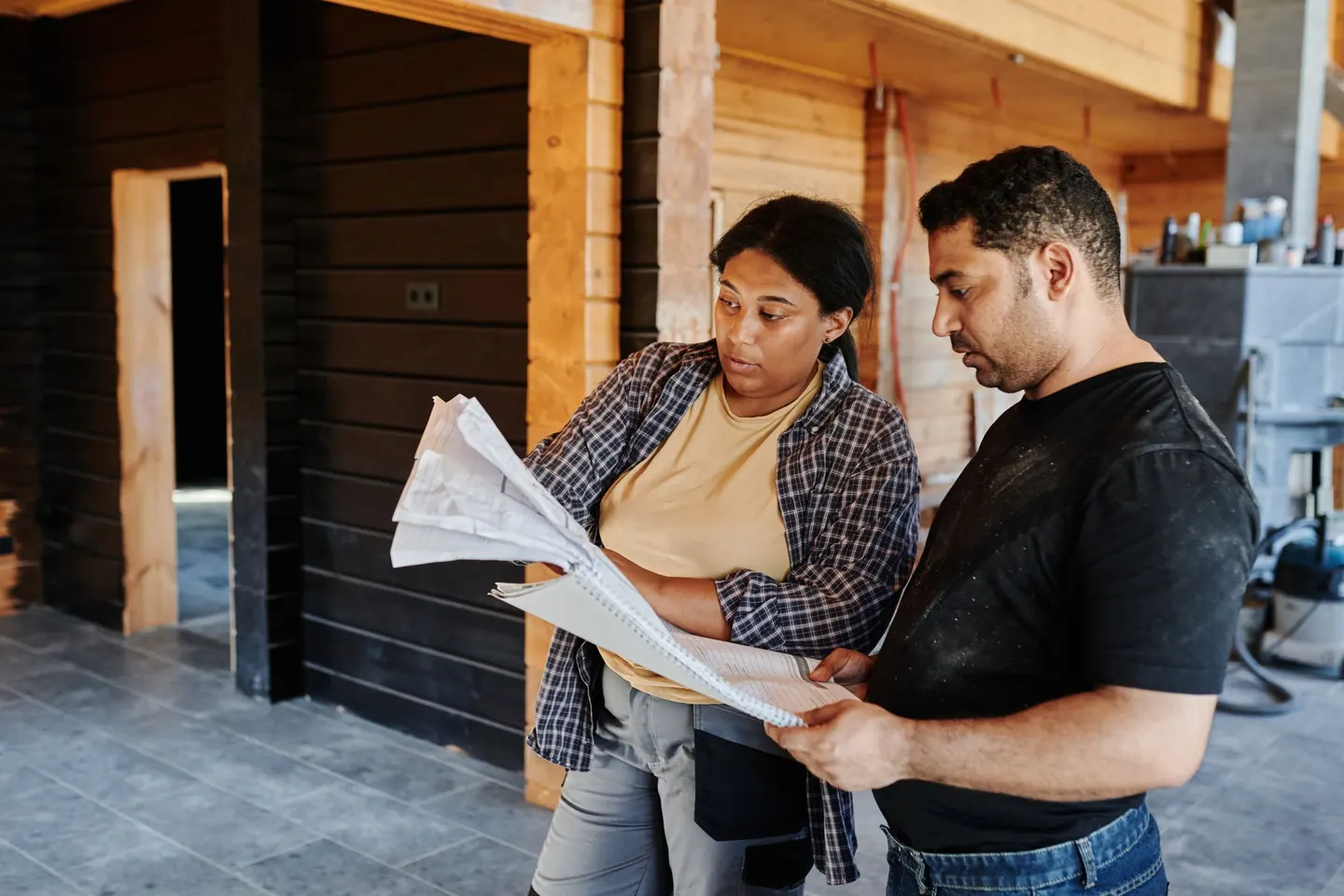
The nearest aging-in-place remodeler worth hiring is the one who passes 3 checks: a current state contractor license you looked up yourself, proof of liability and workers' compensation insurance, and real aging-in-place training (the NAHB's Certified Aging-in-Place Specialist course, called CAPS) with finished work to show. Then get 3 written quotes and walk away from anyone whose pitch starts with a government program. If you would rather not cold-call, tell us your ZIP and the project and we hand the request to one certified remodeler serving your area, with no obligation.
Ready to talk to a certified aging-in-place remodeler? Skip the search results and get matched with a certified remodeler serving your area.
What "certified aging-in-place" means
The designation most contractors mean is CAPS, the Certified Aging-in-Place Specialist, run by the National Association of Home Builders (NAHB) and created with AARP. Holders complete 3 courses covering marketing, design concepts and solutions for aging in place. Remodelers, general contractors, designers, architects and occupational therapists hold it, and the NAHB keeps a directory searchable by ZIP code, the most direct way to find a CAPS contractor near you.
CAPS is training, not a license. It tells you the person has studied grab bar placement, curbless shower drainage and turning room for a wheelchair. It does not tell you they are licensed, insured or good. Demand for this work is high (56% of remodelers do aging-in-place work and 73% say requests have increased over 5 years, NAHB 2026), so plenty of websites now say "aging in place" without the training behind it.
Check the state license yourself
Any work that touches structure, plumbing or electrical needs a licensed contractor in most states. Every state licensing board has a public lookup; search the name and license number on the quote and confirm the license is active, the name matches, and there are no open disciplinary cases. In Florida the lookup is the Department of Business and Professional Regulation (DBPR) license search: a Certified General, Building or Residential Contractor license covers the remodel, and plumbing and electrical are separate licenses. Unlicensed handyman work in Florida is limited to non-structural tasks.
Then ask for certificates of insurance, liability and workers' compensation, sent by the insurer rather than handed over by the contractor. Without workers' compensation, an injured worker's claim lands on your homeowner's policy.
3 written quotes
Three quotes for the same written scope, so you compare like with like. A real quote lists the work item by item, the products by name, who pulls the permits, the schedule, payments tied to milestones, and the warranty. Never pay in full up front: a deposit at signing, a payment when rough work passes inspection, and the balance when you have walked the finished job is the usual shape. Florida law limits the deposit a contractor may take in some circumstances. Our aging-in-place remodeling cost guide gives the national ranges to hold quotes against, and how to choose an aging-in-place remodeler goes deeper on reading a contract.
The questions to ask
- How many aging-in-place bathrooms or entries did you finish last year, and can I see photos of 3 of them?
- Who on your team holds the CAPS designation, and will that person be on site?
- Will you work from an occupational therapist's report if we have one?
- What will the clear opening of this door be when you are done? (You want to hear 32 to 36 inches for a wheelchair.)
- How will a curbless shower drain without flooding the floor?
- Who pulls the permits, and under whose license?
- What is the payment schedule, and what triggers each payment?
- Can I call 2 homeowners you did this work for?
A remodeler who answers these without hesitation is the one you want.
Red flags
- A pitch built on the words "free government program" or "Medicare pays for your walk-in tub". No national government program pays for a bathroom remodel, and Original Medicare does not pay for walk-in tubs, showers, ramps or stair lifts. Real help runs through specific channels: some Medicare Advantage plans, long-term care insurance, state Medicaid waivers, VA grants and tax deductions.
- Pressure to sign today for a price that disappears tomorrow.
- No license number on the quote, or a number that belongs to someone else.
- A demand for most of the money before work starts, or a discount for cash.
- A knock on the door after a storm. Florida sees this every hurricane season.
- A quote with one line and one number.
How our matching works
Tell us your ZIP code and the project (a bathroom, an entry, a stair lift, a whole-home walk-through). A person on our side, not an algorithm, hands the request to one certified aging-in-place remodeler serving that area. We do this anywhere in the United States, there is no obligation, and we never charge the homeowner. A certified aging-in-place remodeler serving your area will reach out once matched, and you still run every check above; we would rather you did.
If you do not yet know what to fix, pick the whole-home safety assessment: a CAPS remodeler or an occupational therapist walks the house and writes the list. Our locations pages cover the states and metros we write about in detail, starting with Florida.
Who pays
Most aging-in-place work in the US is paid directly by the homeowner or family, which means the widest choice of remodeler and no waiting on approvals. Paying out of pocket covers the tools, from savings to a home equity line to splitting the cost among siblings. Medicare and Medicare Advantage has the honest version of what plans cover, and senior bathroom remodel programs explains those ads.
Ready to talk to a certified aging-in-place remodeler? Give us the ZIP and the project, and get matched with a certified remodeler serving your area.
Questions people ask
What does certified aging-in-place mean for a contractor?
Usually the Certified Aging-in-Place Specialist (CAPS) designation from the National Association of Home Builders, created with AARP: 3 courses on aging-in-place marketing, design and solutions. It is training, not a license, so check the state license and insurance separately.
How do I find a CAPS contractor near me?
The NAHB runs a CAPS directory searchable by ZIP code. Or tell us your ZIP and the project and we hand the request to one certified remodeler serving your area, anywhere in the United States, with no obligation.
How do I check if an aging-in-place contractor is licensed?
Search the state licensing board's public lookup for the name and license number on the quote. In Florida that is the DBPR license search. Confirm the license is active, the name matches, and there are no open disciplinary cases.
How many quotes should I get for aging-in-place work?
Three written quotes for the same scope, itemized the same way, with a payment schedule tied to milestones. Never pay in full up front.
Is there a government program that pays for aging-in-place remodeling?
There is no national government program that pays for a bathroom remodel. Real help comes through specific channels: some Medicare Advantage plans, long-term care insurance, state Medicaid waivers, VA grants for veterans, and a tax deduction for medical-reason modifications. Treat a contractor who leads with a government program as a sales pitch.
What happens after I request a match?
We hand your ZIP and project to one certified aging-in-place remodeler serving your area, by hand. That remodeler reaches out once matched. There is no obligation and we never charge the homeowner.
Free, no obligation
Tell us about the home. We match you with a certified aging-in-place remodeler.
A few questions about your project. We never charge homeowners, and we never sell your information.