Maryland
Aging-in-Place Remodeling in Montgomery County, MD: Costs, Licenses
Aging-in-place remodeling in Montgomery County, MD: 201,065 residents 65 and over, 1970s colonials and Leisure World condos, WSSC plumbing, permits, who pays.
Updated 2026-08-17. Reviewed against our editorial standards.
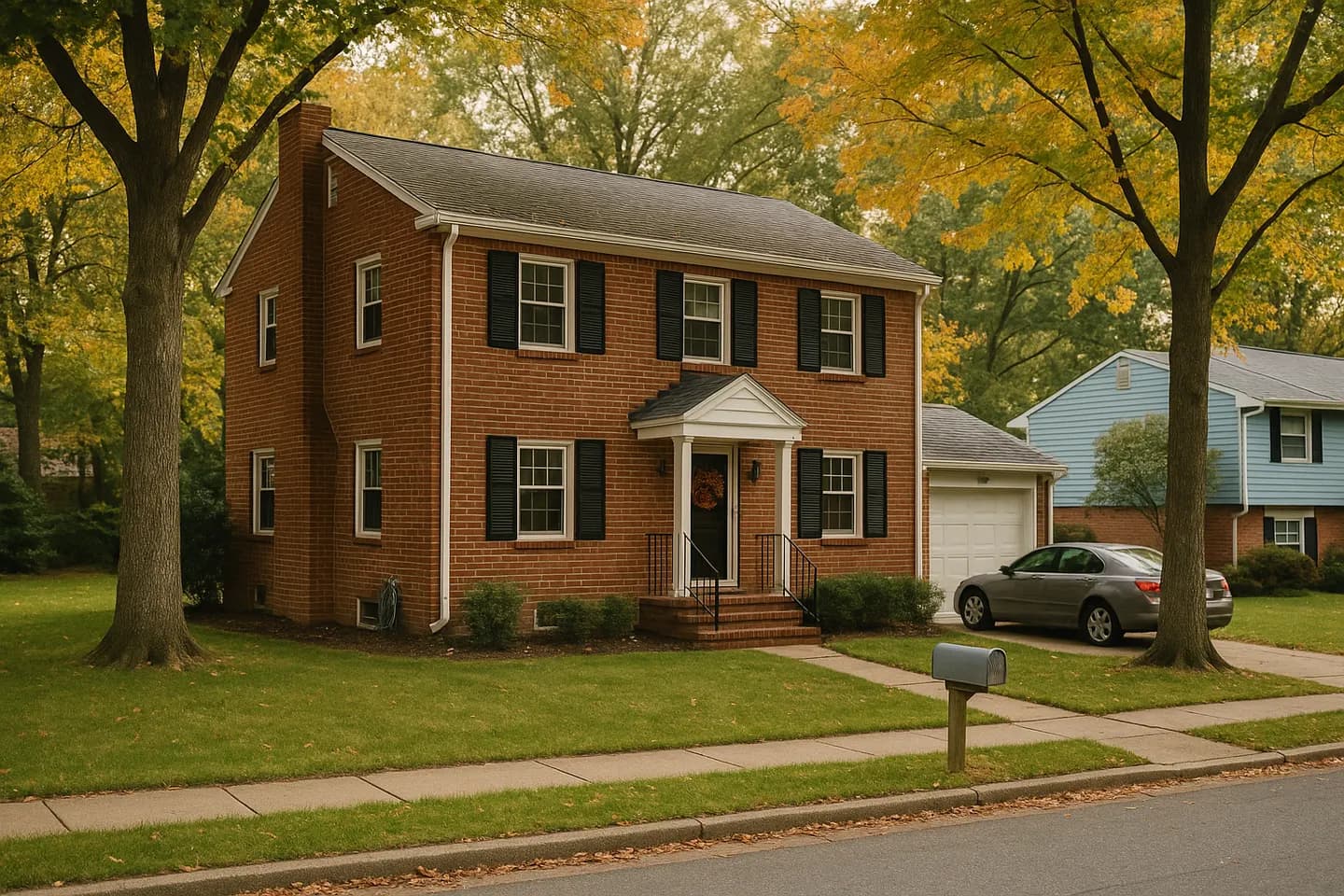
Montgomery County had 201,065 residents 65 and over on July 1, 2025, 18.7% of the county and the largest count in Maryland, up 18.4% since 2020 (Census Bureau Vintage 2025 population estimates). The homes split 2 ways: 1960s to 1980s colonials and split-levels in Silver Spring, Rockville and Bethesda (the median home was built in 1980 and 49.1% are older), and the condo and co-op buildings of Leisure World, where 77.4% of residents are 65 or older. Contractors need a Maryland Home Improvement Commission (MHIC) license and plumbing runs through WSSC. The projects that come up most are the upstairs bathroom, the main staircase and a first-floor bedroom.
Ready to talk to a certified aging-in-place remodeler? Tell us about the home and get matched with a licensed remodeler serving Montgomery County.
Montgomery County by the numbers
- 201,065 residents 65 and over, 18.7% of the county, the most of any Maryland county and up 18.4% since 2020 (Census Bureau Vintage 2025 estimates).
- 46.6% of homes are single-family detached and 17.8% attached townhouses; the median home was built in 1980 (ACS 2020 to 2024). 49.1% of units predate 1980 (Maryland Environmental Public Health Tracking).
- Leisure World has 8,882 residents, 77.4% of them 65 or older, in buildings that are only 4.8% detached, with a median year built of 1982 (ACS 2020 to 2024).
The homes here
Colonials and split-levels, 1960s to 1980s. Nearly half the county's housing predates 1980, and the subdivisions of those decades are mostly two-story colonials and split-levels over a basement. Bedrooms and bath upstairs, laundry in the basement, kitchen between: 3 flights a day for someone with a bad hip. The fix is a stair lift on the main stairs or a main-floor bedroom and bath built out of the dining room, den or garage.
The upstairs bathroom. A 1970s hall bath in Bethesda or Rockville is small, with a tub to step over and a door too narrow for a walker. The usual remodel is a curbless shower where the tub was, grab bars anchored into the studs, a comfort-height toilet and non-slip tile, sometimes with a moved wall to reach a 32 to 36 inch clear opening.
Leisure World and other condos. The owner controls the bathroom and interior doors; the association controls the plumbing stacks, the entry door and anything in a shared wall. Most work there is the bathroom, lever handles and lighting. Get the association's alteration rules in writing before the first quote.
Winter. Maryland averages 20.6 inches of snow a season (Maryland State Archives), and a colonial's front stoop is a few uncovered steps. A covered landing, railings on both sides and a non-slip surface on any ramp are the standard answer.
Licensing and permits in Montgomery County
Every home improvement contractor in Maryland needs an MHIC license, with no minimum job size, and the license number must be on your contract. The state page on aging-in-place remodeling in Maryland covers the one-third deposit cap, the Guaranty Fund and the $500,000 insurance rule. Two things are different in Montgomery County. Plumbing licenses, the plumbing code and plumbing permits come from WSSC, not the state board. And the county's Department of Permitting Services lists interior alterations, decks and electrical work as permit items, while in-kind swaps of fixtures, cabinets and windows need none; ramps and grab bars are not named on that list, so ask the contractor which rule applies to yours.
Who pays
Most Montgomery County families pay directly, from savings, home equity or siblings splitting the cost; see paying out of pocket. Montgomery County Aging and Disability Services is the county's Area Agency on Aging, and Maryland Access Point (1-844-627-5465) will route you to it. The county's Design for Life program offers a property tax credit for accessibility features and visitable or livable upgrades, though the county's own pages disagree on the caps, and its Single-Family Rehabilitation Loan is closed to new applications. The state's Accessible Homes for Seniors program (0% deferred loans, and grants up to $15,000 for lower-income owners who cannot carry a loan) applies here, as does Rebuilding Together Montgomery County. For Medicaid, ask the Maryland Department of Health whether home modifications are covered in your situation and whether there is a waitlist. For Medicare Advantage, long-term care insurance and the VA, senior bathroom remodel programs has the honest version of each.
Common projects in Montgomery County
- Bathroom safety remodel: curbless shower, grab bars, comfort-height toilet, non-slip floor. $6,600 to $28,000 for a full remodel nationally; a curbless conversion alone is $2,500 to $9,000.
- Stair lift: a straight rail for a colonial's main staircase, a curved one for a split-level's turn. $3,000 to $20,000, averages $7,000 to $8,000.
- Main-floor bedroom and bath: converting a dining room or den so the upstairs becomes optional. Cost varies by home; the plumbing run to a new bath drives it.
- Grab bars and railings: cheap hardware, and the labor is anchoring it into studs.
Washington-area construction wages run a little above the national average (Bureau of Labor Statistics, May 2025). Get 3 written quotes from MHIC-licensed contractors and compare them line by line.
Ready to talk to a certified aging-in-place remodeler? Request a match and talk to a licensed remodeler serving Montgomery County.
Questions people ask
How many seniors live in Montgomery County, Maryland?
201,065 residents were 65 or older on July 1, 2025, 18.7% of the county and the largest count in Maryland, up 18.4% since 2020 (Census Bureau Vintage 2025 population estimates). Leisure World alone is 77.4% residents 65 and over.
Who licenses home improvement contractors in Montgomery County?
The Maryland Home Improvement Commission (MHIC) licenses every home improvement contractor in the state, with no minimum job size. Plumbing is the exception: WSSC issues plumbing licenses and the plumbing code for Montgomery and Prince George's counties. Electricians hold a state license, and the county issues permits and inspects.
Do I need a permit for an aging-in-place bathroom remodel in Montgomery County?
The county's permit list names interior alterations, decks and electrical work as permit items, with plumbing permits through WSSC. Swapping fixtures, cabinets or windows in kind needs no permit. Have the contractor pull the permit and put it on the contract.
Is there a Montgomery County program that helps pay for accessibility work?
The county's Design for Life program offers a property tax credit for accessibility features, and the county's Single-Family Rehabilitation Loan is closed to new applications. The state's Accessible Homes for Seniors program and Rebuilding Together Montgomery County help income-qualified owners, and Montgomery County Aging and Disability Services can point you to all three.
What does an accessible bathroom cost in Montgomery County?
National ranges apply, and Washington-area construction wages run a little above the national average: $2,500 to $9,000 for a curbless shower conversion and $6,600 to $28,000 for a full accessible bathroom. Get 3 written local quotes from MHIC-licensed contractors.
Free, no obligation
Tell us about the home. We match you with a certified aging-in-place remodeler.
A few questions about your project. We never charge homeowners, and we never sell your information.