Texas
Aging-in-Place Remodeling in Dallas and Fort Worth: Costs, Rules
Aging-in-place remodeling in Dallas, Fort Worth, Arlington and Plano: 819,374 residents 65 and over across 3 counties, slab homes on clay, who pays.
Updated 2026-09-10. Reviewed against our editorial standards.
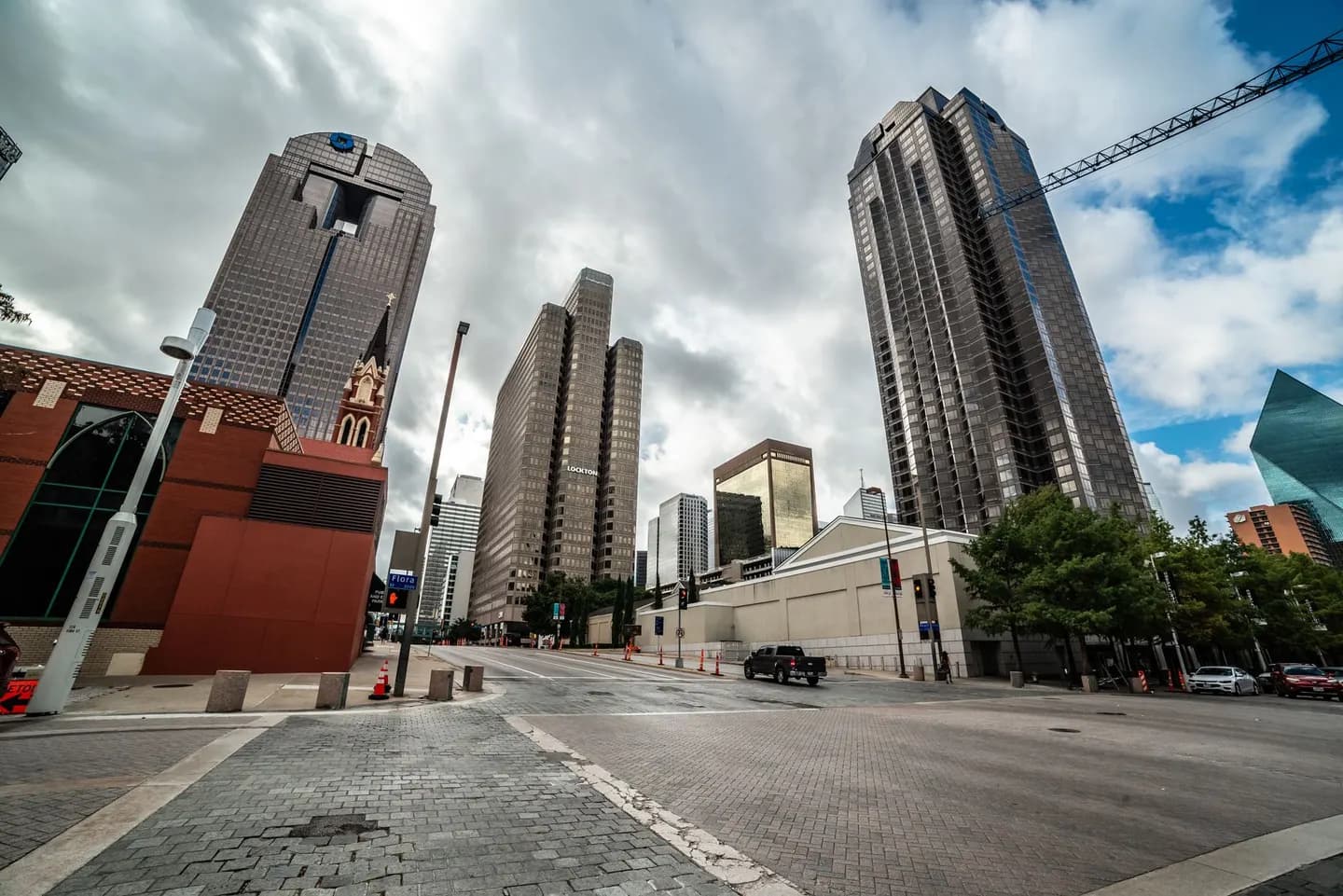
Dallas-Fort Worth had 819,374 residents 65 and over across Dallas, Tarrant and Collin counties on July 1, 2025 (Census Bureau Vintage 2025 estimates, released June 2026): 346,250 in Dallas County, 312,063 in Tarrant and 161,061 in Collin, up 31.9% in 5 years. The homes run from a 1983 median build year in Dallas County to 2003 in Collin (Census American Community Survey, 2020 to 2024), nearly all on a slab over expansive clay. Texas has no general contractor license; Dallas and Fort Worth register contractors, and the trades hold state licenses. The projects that come up most are the stair lift, the walk-in shower or tub, and the entry.
Ready to talk to a certified aging-in-place remodeler? Tell us about the house and get matched with a certified remodeler serving Dallas and Fort Worth.
Dallas and Fort Worth by the numbers
- Dallas County: 346,250 residents 65 and over, 13.0% of 2,661,397, up 16.2% since 2020; median home built 1983, 51.6% single-family detached (Census Bureau Vintage 2025 estimates; American Community Survey 2020 to 2024).
- Tarrant County (Fort Worth, Arlington): 312,063, 13.9% of 2,248,466, up 20.2%; median home built 1990, 65.3% detached (same sources).
- Collin County (Plano, McKinney, Frisco): 161,061, 12.4% of 1,297,179, up 31.9%; median home built 2003, 67.7% detached (same sources).
- Dallas-Fort Worth's record is 71 days at 100 degrees or more in one year, 2011 (National Weather Service).
The homes here
The soil under all three counties is the same expansive clay. "When it gets wet, it swells up; when it dries up in the summer, it shrinks," Phil Crone of the Dallas Builders Association told KUT, which is why Dallas registers foundation repair companies.
The entry. A slab house has 1 or 2 steps at the door, so a short ramp or step-free entry often does it; pre-1960s pier-and-beam houses near downtown have more steps. With 100-degree days routine most summers, a shaded landing and a rail on both sides matter.
The bathroom. A 1983 or 1990 bathroom has a tub with a curb and a narrow door. "Walk in tubs dallas" is in Google autocomplete, and a walk-in tub is one answer, but a curbless shower is the more common one for a walker or wheelchair; on a slab that means cutting the slab or building up the floor for the drain, a line item on the bathroom safety remodel quote.
The stairs. "Stair lift dallas" is the phrase people here search. Collin County's 2000s subdivisions are largely two-story, so a straight-rail stair lift is the usual fix, and a main-floor bedroom and bath is the bigger project.
Licensing and permits in Dallas, Tarrant and Collin counties
Texas has no statewide general contractor license and no recovery fund; the trades are licensed by the Texas State Board of Plumbing Examiners and TDLR. Dallas Development Services registers contractors before issuing a permit, with a general contractor category covering residential builders and foundation repair; registration is in person at 320 E. Jefferson Blvd, renewals run through Dallas Now, (214) 948-4480, and there is a fee. Fort Worth Development Services registers building, electrical, mechanical and plumbing contractors; building registration is an application plus a driver's license at $168.75 a year (817-392-2222). Registration is a name on file, not a license, so the contract carries the weight: in writing, signed by both spouses before work starts, as Texas homestead law requires. The Texas page has the state rule and how to choose an aging-in-place remodeler has the checklist.
Who pays
Most Dallas-Fort Worth families pay directly: no pre-approval, your choice of contractor, work can start this week (paying out of pocket covers savings, home equity and splitting the cost among siblings). The Dallas Home Improvement and Preservation Program (Volunteers of America Texas) serves owners inside the city limits at or below 80% of area median income who have owned the home 6 months: emergency grants up to $10,000, major-systems forgivable loans up to $24,000, accessibility work eligible. Rebuilding Together North Texas covers Dallas, Collin, Denton, Tarrant and Rockwall counties, free for very-low-income homeowners 60 and over, veterans or people with disabilities; applications open each January ((972) 245-6900). Reach your Area Agency on Aging through the state line at 800-252-9240. Original Medicare pays nothing toward remodeling, but some Medicare Advantage plans carry a bathroom safety allowance, long-term care policies often include a home modification benefit, and veterans should ask about the VA's HISA grant. For Medicaid, ask the Texas Health and Human Services Commission what is covered and whether there is a waitlist.
Common projects in Dallas and Fort Worth
National installed estimates from 2022 to 2026 sources; Texas construction wages ran about 15% below the national average in May 2025 (BLS). Get 3 written local quotes.
- Stair lift: $3,000 to $20,000 installed, averages $7,000 to $8,000; a straight rail is far cheaper than a curved one.
- Bathroom safety remodel: $6,600 to $28,000 for the full accessible bathroom; $2,500 to $9,000 for a curbless shower conversion.
- Walk-in tub: $3,000 to $15,000 installed, average near $5,000.
- Ramp or step-free entry: $875 to $5,000, average near $1,100 for a short wood or aluminum ramp.
Ready to talk to a certified aging-in-place remodeler? Request a match and talk to a certified remodeler serving Dallas and Fort Worth.
Questions people ask
How many seniors live in Dallas-Fort Worth?
On July 1, 2025, Dallas County had 346,250 residents 65 and over (13.0%), Tarrant County 312,063 (13.9%) and Collin County 161,061 (12.4%), 819,374 across the 3 counties, according to the Census Bureau's Vintage 2025 estimates. Collin County's senior population grew 31.9% since 2020.
Does Dallas or Fort Worth license contractors?
Neither licenses them, because Texas has no general contractor license, but both register them. Dallas Development Services registers general contractors, including residential builders and foundation repair companies, at 320 E. Jefferson Blvd (214-948-4480). Fort Worth registers building, electrical, mechanical and plumbing contractors (817-392-2222); the trades must hold their state licenses.
Why do Dallas homes have foundation problems?
The soil is expansive clay that swells when wet and shrinks in the summer, and almost every house sits on a concrete slab with no basement. The movement cracks slab-on-grade foundations, which is why Dallas registers foundation repair companies alongside general contractors.
Is there a Dallas program that helps pay for accessibility work?
The Dallas Home Improvement and Preservation Program, run by Volunteers of America Texas, serves homeowners inside the city limits at or below 80% of area median income who have owned the home 6 months. It makes emergency rehabilitation grants of up to $10,000 and major-systems forgivable loans of up to $24,000, and accessibility work is eligible.
What does a stair lift cost in Dallas?
National estimates from 2022 to 2026 sources run $3,000 to $20,000 installed, with averages of $7,000 to $8,000; a straight rail is far cheaper than a curved one. Texas construction wages ran about 15% below the national average in May 2025. Get 3 written local quotes.
Free, no obligation
Tell us about the home. We match you with a certified aging-in-place remodeler.
A few questions about your project. We never charge homeowners, and we never sell your information.