Virginia
Aging-in-Place Remodeling in Williamsburg and James City, VA
Aging-in-place remodeling in Williamsburg and James City County: 27.9% of the county is 65 and over, the highest share we serve in Virginia, and who pays.
Updated 2026-09-02. Reviewed against our editorial standards.
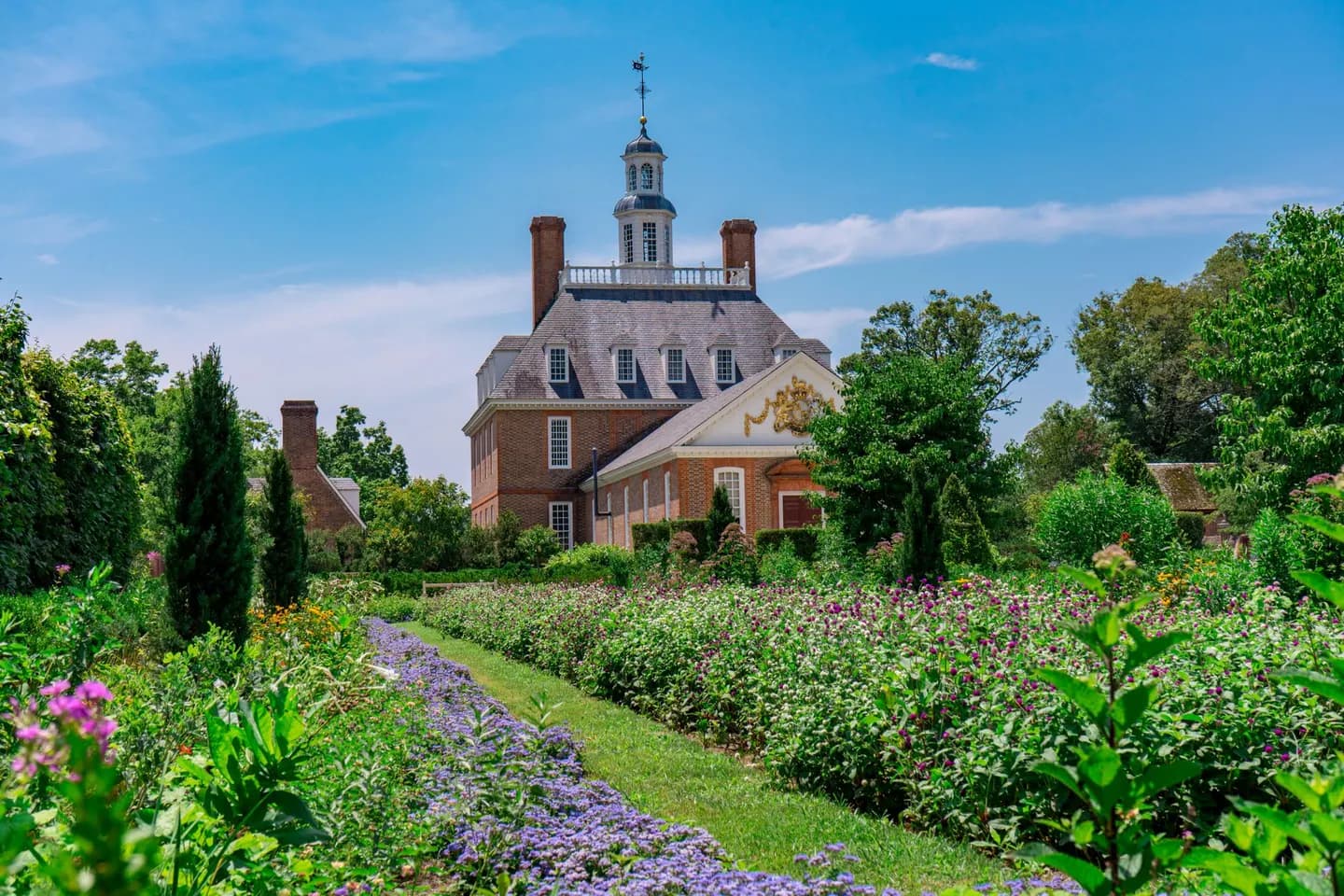
James City County has 23,109 residents 65 and over, 27.9% of the county and the highest share of any Virginia market on this site, and Williamsburg city has 2,883, or 18.0% (Census Bureau Vintage 2024 estimates). Much of the county's housing is newer and built in planned communities, often single-story or with a first-floor primary suite, while the city has older homes near the college and the historic area. Contractors are licensed through Virginia's DPOR Board for Contractors, and with more than 1 in 4 residents 65 and over, the projects that come up most are the whole-home safety assessment, the curbless shower and the zero-step entry.
Ready to talk to a certified aging-in-place remodeler? Tell us about the home and get matched with a licensed Williamsburg remodeler serving your area.
Williamsburg by the numbers
- James City County: 23,109 residents 65 and over, 27.9%. Williamsburg city: 2,883, 18.0% (Census Bureau Vintage 2024 estimates).
- For comparison, Virginia as a whole is 17.6%, neighboring Newport News 14.9% and Hampton 17.7% (same source).
- 72% of Hampton Roads residents, the region that includes James City County, see severe flooding risk in their city within 30 years (ODU 2025 survey).
- Norfolk, the nearest city in the RSMeans 2026 tables, has a location factor of 88.2 against a national 100, so labor plus materials run below the national average.
The homes here
James City County's growth came in planned communities from the 1980s on: one- and two-story houses on golf-course and wooded lots, many with a first-floor primary suite already, plus a share of townhouses and condominiums. Williamsburg city keeps older stock near the college and the historic area. The climate is humid and coastal, with far less snow than Northern Virginia, so the slip risk is water tracked across smooth floors more than ice on steps.
The entry. A newer house still has a step or two at the front door and one down from the garage, and a planned community may have rules about what shows from the street. A zero-step entry is a small project in a house this age and a cheap one compared with a long ramp; see ramps, entries and thresholds.
The bathroom. A 1980s or 1990s primary bath usually has a soaking tub and a separate shower with a curb, which is better than a tub-shower combination but still a step. The curbless shower conversion is the common project, with non-slip flooring where glossy tile meets water.
The stairs. In a two-story house with the primary suite upstairs, a stair lift or moving the bedroom down is the question. Where the suite is already on the main floor, the stairs matter less, and the whole-home safety assessment is the better starting point: a CAPS remodeler or occupational therapist walks the house and ranks what to do first.
Licensing and permits in James City County
Virginia licenses contractors statewide through the DPOR Board for Contractors in 3 classes by project value: Class C over $1,000 and under $30,000, Class B from $30,000 up to $150,000, Class A at $150,000 and more. Plumbers and electricians need their own tradesman license, and the contract must carry the license number, class and specialty. Check it at DPOR's License Lookup; the Recovery Fund and the recommended down payment are on the Virginia page. James City County and the City of Williamsburg are separate localities with separate building offices, both issuing permits under the Virginia Uniform Statewide Building Code. A temporary ramp to an entrance 30 inches or less above grade and a like-for-like fixture swap are exempt; moving a drain, adding a circuit or removing a wall is not. In a planned community, get the association's rules on exterior changes in writing before the first quote.
Who pays
Most Williamsburg families pay directly, from savings or home equity, which means no pre-approval and your choice of contractor (paying out of pocket). The Peninsula Agency on Aging (757-873-0541) is the Area Agency on Aging for Williamsburg and James City County and the place to ask which local help is real. For a permanent change such as a zero-step entry, a 32-inch door or an accessible bath, Virginia's Livable Home Tax Credit returns 50% of cost up to $6,500, applied for by January 31 of the year after the work (tax deductions). Veterans have the VA's HISA grant and Virginia Housing's Granting Freedom, up to $10,000 for a service-connected disability within income limits (VA grants). Virginia's Medicaid agency, DMAS, can say whether home modifications are covered for the person's situation and whether there is a waitlist.
Common projects in Williamsburg
- Whole-home safety assessment: the CAPS or occupational therapist walk-through that produces the list; price varies by home and region.
- Curbless shower conversion: $2,500 to $9,000 nationally; the full accessible bathroom runs $6,600 to $28,000.
- Zero-step entry or threshold ramp: $875 to $5,000 for a ramp, near $1,100 for a short one; a single step is the cheap end.
- Grab bars and railings: inexpensive hardware anchored into studs, in the shower and at the garage step.
Ready to talk to a certified aging-in-place remodeler? Request a match and talk to a licensed Williamsburg remodeler serving your area.
Questions people ask
How many seniors live in Williamsburg and James City County?
James City County had 23,109 residents 65 and over in 2024, 27.9% of the county, and Williamsburg city had 2,883, or 18.0% (Census Bureau Vintage 2024 estimates). The county's share is the highest of any Virginia market on this site.
Who is the Area Agency on Aging for Williamsburg?
The Peninsula Agency on Aging, 757-873-0541, covers Williamsburg, James City County, Newport News and Hampton. It can tell you which local programs are real and whether there is a waitlist.
What license does a Williamsburg contractor need?
A Virginia DPOR Board for Contractors license: Class C for projects over $1,000 and under $30,000, Class B from $30,000 up to $150,000, Class A at $150,000 and more. Plumbers and electricians need a tradesman license. Verify the name and number at DPOR's License Lookup.
Is there a Virginia tax credit for making a home accessible?
Yes. The Livable Home Tax Credit returns 50% of the cost of a retrofit, up to $6,500, when the work adds a permanent feature such as a zero-step entrance, 32-inch doors or an accessible bathroom. Apply to DHCD by January 31 of the year after the work is finished.
What does a whole-home safety assessment cover?
A Certified Aging-in-Place Specialist (CAPS) remodeler or an occupational therapist walks the house with you: the entry, the bathroom, the stairs, lighting, flooring and reach. You get a prioritized list before anyone sells you a product. Ask the occupational therapist or doctor about the person's specific needs.
Free, no obligation
Tell us about the home. We match you with a certified aging-in-place remodeler.
A few questions about your project. We never charge homeowners, and we never sell your information.