Maryland
Aging-in-Place Remodeling in Frederick, MD: Homes, Costs, Licenses
Aging-in-place remodeling in Frederick, MD: Frederick County's 65 and over population is up 24.7% since 2020, newer two-story homes, MHIC licensing, who pays.
Updated 2026-08-17. Reviewed against our editorial standards.
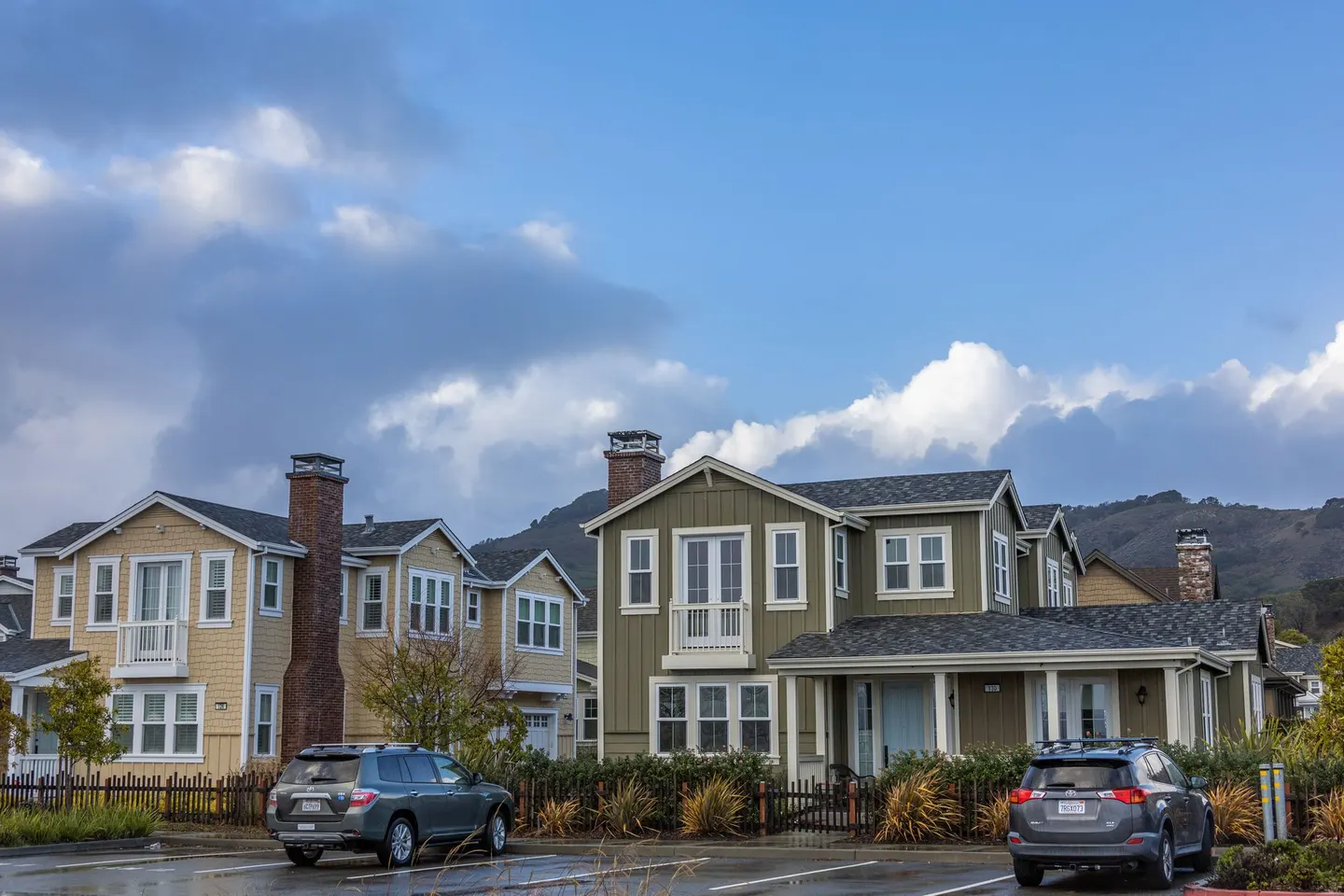
Frederick County had 50,907 residents 65 and over on July 1, 2025, 16.8% of the county, and that number is up 24.7% since 2020, the fastest growth of any large Maryland county (Census Bureau Vintage 2025 population estimates). The housing is the newest of the Maryland markets we serve: 60.1% detached houses and 22.0% townhouses, a median year built of 1991, and only 34.8% of units from before 1980. Contractors need a Maryland Home Improvement Commission (MHIC) license and plumbers a State Board of Plumbing license. The projects that come up most are a main-floor bedroom and bath, a stair lift, and a bathroom remodel in the third of county homes that predate 1980.
Ready to talk to a certified aging-in-place remodeler? Tell us about the home and get matched with a licensed remodeler serving Frederick.
Frederick by the numbers
- 50,907 residents 65 and over, 16.8% of the county, up 24.7% since 2020, the fastest growth among Maryland's large counties (Census Bureau Vintage 2025 estimates).
- 60.1% of homes are detached and 22.0% attached, with a median year built of 1991 (ACS 2020 to 2024). 34.8% of units predate 1980 (Maryland Environmental Public Health Tracking).
- For comparison, 59.5% of Baltimore County's homes and 49.1% of Montgomery County's predate 1980 (Maryland Environmental Public Health Tracking).
The homes here
1990s and newer: two stories, bedrooms upstairs. The subdivisions built since 1990 are mostly two-story houses and townhouses with every bedroom upstairs. The first floor usually has a kitchen, a family room, a dining room or den, and a powder room, which is the raw material for a main-floor bedroom and bath: the den becomes the bedroom and the powder room grows into a full bath with a curbless shower. A newer house also tends to have a straight main staircase, the cheap end of a stair lift.
Townhouses. 22.0% of Frederick County homes are attached, and in a townhouse the stairs are the whole house. A stair lift on each flight is the usual answer; a residential elevator or vertical platform lift is the other, and home elevators and lifts explains when each makes sense.
The older third. 34.8% of county homes predate 1980. Those have a tub to step over, a narrow bathroom door and a floor that stays wet, and they are where a full bathroom safety remodel and grab bars anchored into the studs come up.
Winter. Frederick is inland and uphill from the Bay, and Maryland's snowfall climbs from about 10 inches a season on the lower Eastern Shore to 110 in Garrett County, with a statewide average of 20.6 inches (Maryland State Archives). A covered landing, a ramp with a non-slip surface, rails on both sides and a light over the door are the entry work here.
Licensing and permits in Frederick County
Every home improvement contractor in Maryland needs an MHIC license, with no minimum job size, and the license number must appear on the written contract. The state page on aging-in-place remodeling in Maryland covers the one-third deposit cap, the 3-day cancellation right, the Guaranty Fund and the $500,000 insurance rule. Frederick County has no local plumbing license: plumbers hold a State Board of Plumbing license. Electricians have held a state license since July 1, 2021. Permits come from the local permit office under the Maryland Building Performance Standards, which adopt the 2021 International Residential Code, and a main-floor suite with new plumbing will need one.
Who pays
Most Frederick families pay directly, from savings, home equity or siblings splitting the cost; see paying out of pocket. The county's Area Agency on Aging is listed in the Maryland Department of Aging directory, and Maryland Access Point (1-844-627-5465) will route you to it. The state's Accessible Homes for Seniors program (0% deferred loans, and grants up to $15,000 for lower-income owners who cannot carry a loan, applied for through the county housing office or Maryland Access Point) covers ramps, grab bars, accessible showers and doorway widening, and Rebuilding Together has a Frederick County affiliate for low-income owners. For Medicaid, ask the Maryland Department of Health whether home modifications are covered in your situation and whether there is a waitlist. A main-floor suite built for medical reasons can count toward tax deductions as a medical expense, and long-term care insurance may cover part of it with pre-approval.
Common projects in Frederick
- Main-floor bedroom and bath: a den or dining room becomes the bedroom and a powder room becomes a full bath. Cost varies by home; the plumbing run and the size of the new bath drive it.
- Stair lift: a straight rail on a 1990s staircase is the cheap end. $3,000 to $20,000 nationally, averages $7,000 to $8,000.
- Bathroom safety remodel: curbless shower, grab bars, comfort-height toilet, non-slip floor. $6,600 to $28,000 for a full remodel; a curbless conversion alone is $2,500 to $9,000.
- Widened doorways and hallways: a 32 to 36 inch clear opening for a wheelchair; a load-bearing wall or wiring in the wall moves the price up.
Maryland construction wages sit right at the national average (Bureau of Labor Statistics, May 2025). Get 3 written quotes from MHIC-licensed contractors and compare them line by line.
Ready to talk to a certified aging-in-place remodeler? Request a match and talk to a licensed remodeler serving Frederick.
Questions people ask
How many seniors live in Frederick County, Maryland?
50,907 residents were 65 or older on July 1, 2025, 16.8% of the county (Census Bureau Vintage 2025 population estimates). That is up 24.7% since 2020, the fastest growth of any large Maryland county.
What are Frederick homes like for aging in place?
Newer than the rest of central Maryland: 60.1% detached and 22.0% attached, with a median year built of 1991 and only 34.8% of units from before 1980 (ACS 2020 to 2024). The common need is a bedroom and full bath on the main floor, or a stair lift, rather than a gut remodel of an old bathroom.
Who licenses contractors in Frederick County?
The Maryland Home Improvement Commission (MHIC) licenses every home improvement contractor in Maryland, with no minimum job size. Plumbers hold a State Board of Plumbing license and electricians a state license, and the local permit office issues permits and inspects.
Is there help paying for home modifications in Frederick County?
The state's Accessible Homes for Seniors program offers 0% deferred loans, and grants up to $15,000 for lower-income owners who cannot carry a loan, for ramps, grab bars, accessible showers and doorway widening. Rebuilding Together has a Frederick County affiliate. Maryland Access Point at 1-844-627-5465 connects you to the county's Area Agency on Aging.
What does a main-floor bedroom and bath cost in Frederick?
It varies by home: converting a dining room or den next to an existing powder room is the cheap end, and running new plumbing to a room with none is the expensive end. A stair lift, the usual alternative, runs $3,000 to $20,000 nationally. Maryland labor is near the national average, so get 3 written quotes.
Free, no obligation
Tell us about the home. We match you with a certified aging-in-place remodeler.
A few questions about your project. We never charge homeowners, and we never sell your information.