Guides
Tub to Shower Conversion for Seniors: Cost, Steps, Mistakes
A tub to shower conversion for a senior runs $2,500 to $9,000 curbless and takes days, not weeks. The steps, curb or no curb, permits, resale and who pays.
Updated 2026-10-15. Reviewed against our editorial standards.
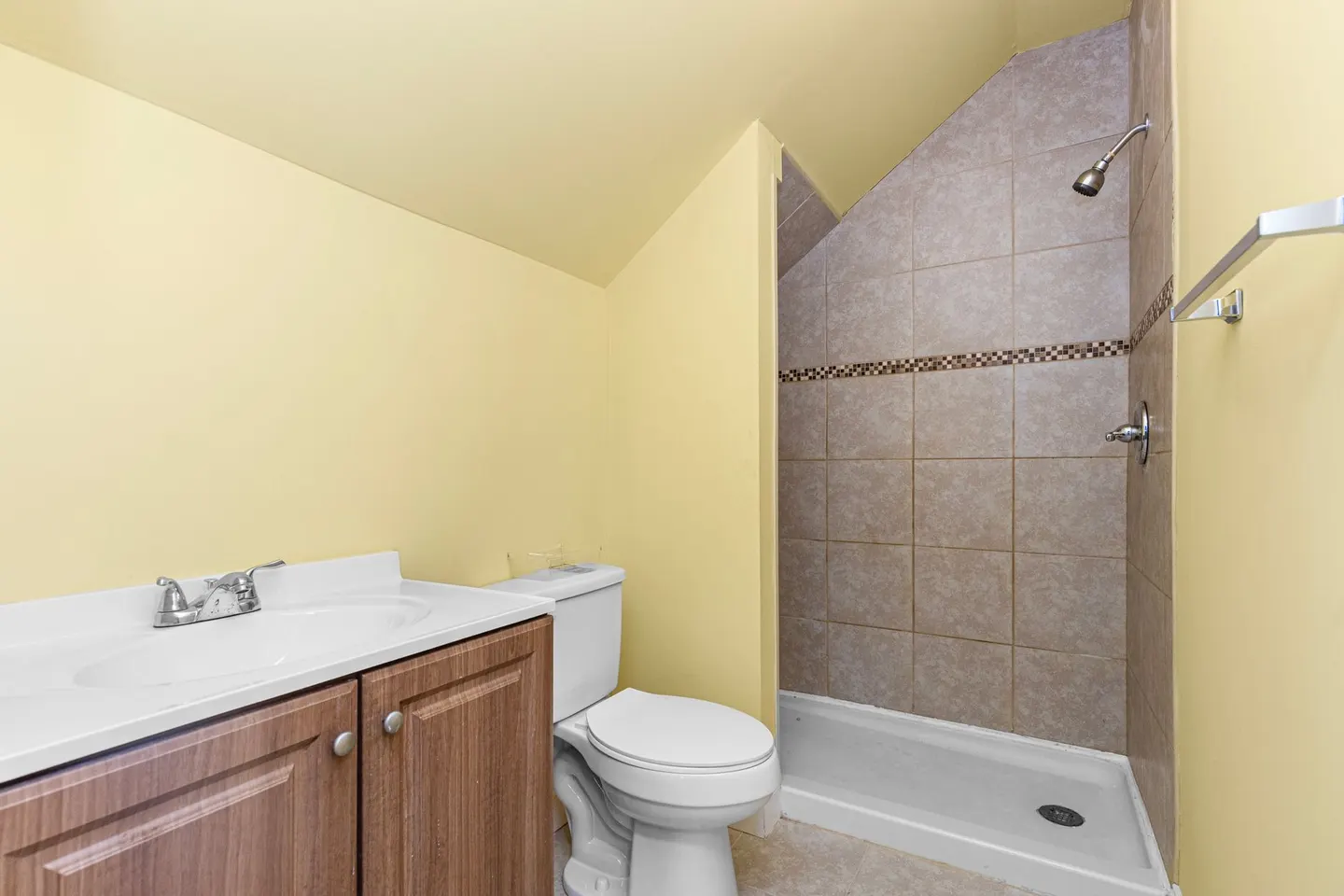
A tub to shower conversion takes the bathtub out and builds a walk-in shower in the same space, so nobody has to climb over a tub wall to bathe. For a curbless shower (no lip at all), national estimates from 2022 to 2026 sources run $2,500 to $9,000 installed: a prefab base with a low step at the bottom, tile over a recessed floor with custom glass at the top. Most conversions take 1 to 3 days of work in the room, longer for custom tile. These are estimates, so get 3 written local quotes.
Ready to talk to a certified aging-in-place remodeler? Tell us about the bathroom and who uses it, and get matched with a bathroom safety remodeler serving your area.
What is involved, step by step
Demolition. The tub, the surround and usually the wall board behind it come out, exposing the subfloor and plumbing.
The drain and the pan. A shower floor slopes to its drain, about 1/4 inch per foot under plumbing code. A center drain needs four slopes. A linear drain (a long slot along one edge) needs one, and at the shower entry it can sit on a concrete slab without cutting a trench.
The curb question. A low curb is the easy build: the pan sits on the existing floor and the curb holds the water in. It is still a step, and a shower wheelchair cannot roll over it. Curbless means no step at all (the accessibility standard for public buildings allows no more than 1/2 inch), which takes a recessed floor so the shower can slope down from the bathroom floor: cut into the joists in a framed house, or ground into the slab in most Florida homes. Where the floor cannot be recessed, the bathroom floor can be built up to meet a thin pre-sloped tray. Ask the occupational therapist or doctor whether a wheelchair is likely; if yes, pay for curbless now.
Grab bar blocking. Solid wood blocking goes between the studs wherever a bar might ever go: the entry, the back wall, beside the seat, beside the toilet. It costs little now and is hard to add once the tile is up. Bars mount 33 to 36 inches off the floor under the accessibility standard and hold their 250 pound rating only when anchored into solid wood. See grab bars and railings.
Waterproofing. A bonded membrane goes over the floor and up the walls before any tile, continuous through every corner, and the pan gets a flood test (2 inches of water for 15 minutes is a common code minimum) before the tile hides it. This is where cheap conversions fail.
Seat, sprayer, glass, floor, light. A fold-down seat at chair height (17 to 19 inches). A hand-held shower on a slide bar with a hose that reaches the seat (59 inches under the standard). An anti-scald valve. Glass that does not block the seat, or a weighted curtain, which costs less, lets a caregiver reach through, and never swings into the room. A matte non-slip floor. A bright, damp-rated light over the shower.
One-day acrylic conversion or tile
The one-day offers are real: a factory-sloped base and acrylic wall panels fitted into the tub opening, often without opening the walls, usable that night. Pros: cheaper, fast, few seams to clean. Cons: almost always a low step, not curbless; no new blocking and no look behind the old surround if the walls stay closed; caulked seams are the weak point, and water behind a panel is hard to get out. Tile over a recessed floor costs more and takes longer, and it is the route to a true curbless or roll-in shower. Get a quote for each, and be wary of a "today only" price. The full accessible bathroom is on our bathroom safety remodels page; a walk-in tub is a different product.
Permits
Because the drain and the pan change, most cities treat a conversion as permitted plumbing work even when the shower goes where the tub was. Phoenix permits a tub that moves but not a fixture replaced in place; a Florida city lists a new shower pan as a permit item. The remodeler pulls the permit and schedules the pan inspection. In Florida, plumbing and electrical need separate DBPR licenses; verify at the DBPR license search.
Resale: keep one tub if you can
Real estate agents generally say the risk is in removing the only tub in the house, because buyers with small children or dogs want one. With a second bathroom, convert the one the person uses and leave the other tub. If it is the only tub, safety today wins; the next owner can put a tub back.
Who pays
Most families pay directly, the fastest route: no pre-approval, your choice of contractor, work starts when the quote is signed. Paying out of pocket covers savings, a home equity line and siblings splitting the cost. Original Medicare does not pay for a conversion; some Medicare Advantage plans add a small bathroom safety allowance for grab bars and shower stools, not construction; see Medicare and Medicare Advantage. Long-term care insurance often covers a walk-in shower with pre-approval and a cap. The "senior bathroom program" ads are explained on senior bathroom remodel programs.
The mistakes
- A low-curb prefab when a wheelchair is likely in a year or two.
- Skipping blocking because "we will add bars later."
- A floor sloped flatter than code so it feels level; it holds standing water instead.
- A fixed shower head only, so the person cannot bathe sitting down.
- Paying in full up front, or signing a one-day price with no tiled quote beside it. Our guide to choosing an aging-in-place remodeler has the checklist.
Ready to talk to a certified aging-in-place remodeler? Describe the bathroom and get matched with a remodeler serving your area.
Questions people ask
How much does a tub to shower conversion cost for a senior?
National estimates from 2022 to 2026 sources put a curbless shower conversion at $2,500 to $9,000 installed. A prefab base with a low step sits near the bottom; tile over a recessed floor with custom glass sits near the top. Get 3 written local quotes.
How long does a tub to shower conversion take?
Most conversions take 1 to 3 days of work in the room. A tiled curbless shower takes longer because the waterproofing has to cure and the glass is measured after the tile is in, so plan for days to a couple of weeks, not months.
Does Medicare cover a tub to shower conversion?
Original Medicare does not pay for home modifications. Some Medicare Advantage plans add a small bathroom safety allowance for items like grab bars and shower stools, but construction is rarely covered, and the plan's Summary of Benefits is the only authority.
Do I need a permit to convert a tub to a shower?
Usually yes, because the drain and the shower pan change. Phoenix requires a permit to move or add a tub but not to replace a fixture in place, and some Florida cities list a new shower pan as a permit item. Your remodeler pulls the permit and schedules the pan inspection.
Does removing the bathtub hurt resale value?
The risk is in removing the only tub in the house, because buyers with small children or dogs often want one. If there is a second bathroom, convert the one the person uses and keep the other tub. If it is the only tub, safety today comes first and a tub can go back later.
Is a one-day acrylic conversion good enough for an older adult?
It can be, if a low step is acceptable and the walls behind the old tub are sound. It is rarely truly curbless and does not add grab bar blocking behind walls that are not opened. If a wheelchair is likely, a tiled curbless shower built around the person is the safer buy.
Free, no obligation
Tell us about the home. We match you with a certified aging-in-place remodeler.
A few questions about your project. We never charge homeowners, and we never sell your information.