Illinois
Aging-in-Place Remodeling in Illinois: Homes, Licenses, Who Pays
Aging-in-place remodeling in Illinois: bungalows and basements, icy front steps, why there is no state contractor license and how to check one anyway, who pays.
Updated 2026-10-15. Reviewed against our editorial standards.
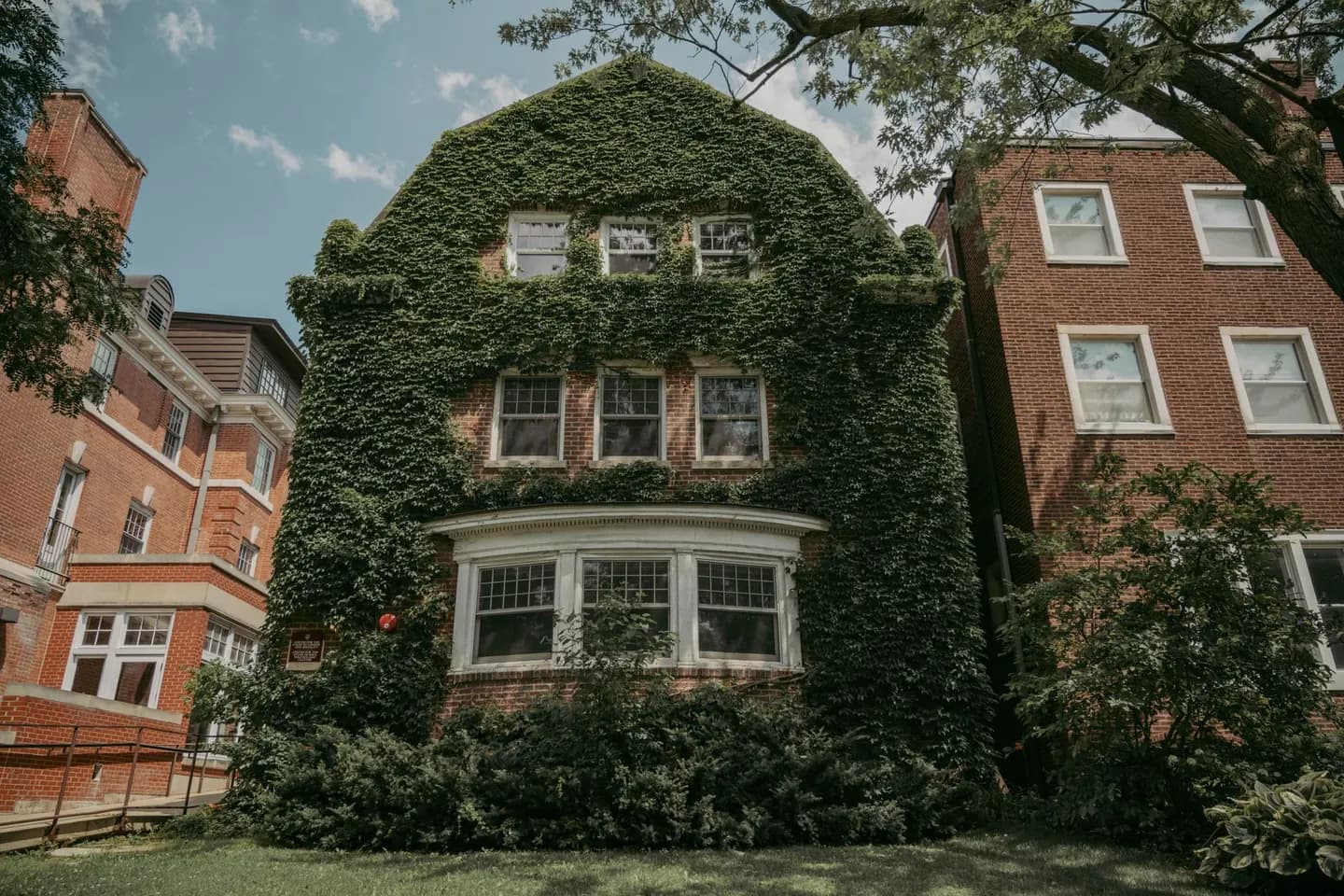
Illinois had 2,379,145 residents 65 and over on July 1, 2025, 18.7% of the state (Census Bureau Vintage 2025 estimates), a group that grew 13.4% in 5 years while the state as a whole shrank 0.6%. The typical Illinois house is old (the statewide median was built in 1971) and sits over a basement, so the work is the stairs, the basement laundry, the bathroom and the icy front steps. Illinois has no statewide general contractor license: cities and villages license or register contractors, and the state licenses only roofers and plumbers. Most Illinois families pay directly; insurance, Medicaid through the Illinois Department of Healthcare and Family Services, VA grants and the state's Home Repair and Accessibility Program cover specific cases.
Ready to talk to a certified aging-in-place remodeler? Tell us about the home and get matched with a licensed remodeler serving your part of Illinois.
Illinois by the numbers
- 2,379,145 Illinois residents were 65 or older on July 1, 2025, 18.7% of 12,719,141, up 280,918 or 13.4% since July 2020 while the state's total population fell 0.6% (Census Bureau Vintage 2025 county estimates).
- Cook County has 896,689 residents 65 and over, 17.3%; DuPage County 181,684, 19.4%; Lake County 128,738, 17.9%; Will County 119,202, 16.7%; Kane County 90,893; McHenry County 60,078, up 23.3% since 2020, the fastest. Those six hold 62% of the state's seniors (same file).
- The median Illinois home was built in 1971; Cook County's in 1961, with 73.2% built before 1980 (Census American Community Survey 2024 five-year estimates).
Why Illinois homes are different
The bungalow and the basement. More than 80,000 Chicago bungalows still stand, nearly a third of the city's single-family housing: brick, a story and a half over a full basement, built from about 1910 to the mid-1930s, the porch up a flight of steps (Historic Chicago Bungalow Association). The laundry is usually in the basement and the attic bedroom up a steep stair, so a stair lift or moving the laundry up often comes before the bathroom.
Split-levels, raised ranches and two-stories. DuPage County's median home dates to 1978 and Will County's to 1992 (Census American Community Survey 2024 five-year estimates). Much of the 1960s to 1980s stock is split-level or raised ranch, with a half-flight at the front door and another to the bedrooms; the 1990s two-story has every bedroom upstairs. The answer is a main-floor bedroom and bath, a stair lift or a home elevator.
Winter at the front door. Chicago O'Hare averages 38.4 inches of snow a year (National Weather Service, 1991 to 2020). Front steps ice over, so the entry work is railings on both sides, a covered landing and a step-free entry built to drain before it freezes.
Old paint and Chicago's own code. Paid work on a pre-1978 home disturbing more than 6 square feet of paint in a room needs an EPA lead-safe certified firm. Chicago has its own code, the 2019 Chicago Building Code on the 2018 International Building Code, in force for permits since August 1, 2020, with its own plumbing rules; the suburbs adopt the model codes town by town.
Checking an Illinois contractor's license
Illinois has no statewide general contractor license. The state licenses only roofers (IDFPR) and plumbers (IDPH), both with an online lookup; everything else belongs to the city or village. Inside Chicago, the Department of Buildings licenses general contractors in five classes by maximum project value: Class A unlimited, Class B up to $20 million, Class C up to $10 million, Class D up to $4 million and Class E up to $500,000. A home remodel fits Class E or D; the city's licensed contractor database shows license and insurance expiration dates. Suburban building departments register contractors each year; rules vary by town.
Every Illinois homeowner gets the Home Repair and Remodeling Act (815 ILCS 513): for any job over $1,000, a written contract stating the total cost, parts and materials and the business address before you sign, the state pamphlet "Home Repair: Know Your Consumer Rights" with an acknowledgment form you both sign, and contractor liability insurance of at least $100,000 per person and $300,000 per occurrence. A harmed homeowner can sue under the Consumer Fraud Act, and the Attorney General takes complaints. The check: the municipal registration or Chicago license, the certificate of insurance, the written contract and pamphlet, and the Attorney General's complaint history (how to choose an aging-in-place remodeler).
Who pays in Illinois
Most Illinois families pay directly, from savings or home equity: no pre-approval, no waitlist. Paying out of pocket covers the tools.
- Medicare. Original Medicare pays nothing toward home modifications; some Medicare Advantage plans add a bathroom safety allowance.
- Long-term care insurance. Many long-term care insurance policies include a capped home modification benefit.
- Medicaid. Ask the Illinois Department of Healthcare and Family Services (HFS), which runs Illinois Medicaid, what home modification coverage exists for someone who qualifies, and whether there is a waitlist.
- Veterans. The VA's HISA grant pays for medically necessary alterations prescribed by a VA clinician.
- Illinois and local programs. The Illinois Housing Development Authority's Home Repair and Accessibility Program funds up to $50,000 per home for health, safety and accessibility repairs for owners at or below 80% of the area median income, through local nonprofits with waitlists, covering the Chicago-area counties but not Springfield in the October 2025 round. In Lake County, Community Partners for Affordable Housing offers up to $40,000 as a 0% forgivable loan for accessibility work at the same income limit.
The state unit on aging is the Illinois Department on Aging; its Senior HelpLine at 1-800-252-8966 routes to the local one of 13 Area Agencies on Aging: AgeGuide (630-293-5990) for the collar counties, AgeOptions (708-383-0258) for suburban Cook County, the Chicago Department of Family and Support Services (312-746-5682) for the city.
Where we work in Illinois
Naperville. 15.3% of 150,692 residents are 65 or older, 23,032 people (Census American Community Survey 2024 five-year estimates): 1990-era two-stories with basements. See Naperville.
Lake Forest. 26.7% of 19,416 residents, 1976-era houses on large lots (same source). See Lake Forest.
Northbrook. 26.6% of 34,585 residents, a North Shore village of split-levels and ranches in suburban Cook County (same source). See Northbrook.
Hinsdale and Oak Brook. Oak Brook is 34.1% residents 65 and over; Hinsdale is DuPage County's teardown town (same source). See Hinsdale and Oak Brook.
Elsewhere in Illinois, request a match; a certified aging-in-place remodeler serving your area will reach out once matched.
What it costs in Illinois
National installed ranges (2022 to 2026 estimates, not quotes): $2,500 to $9,000 for a curbless shower, $6,600 to $28,000 for a full accessible bathroom. Illinois construction wages averaged $39.27 an hour against $31.42 nationally in May 2025 (Bureau of Labor Statistics), about 25% above, and the Chicago area ran higher still at $40.87, so expect Illinois quotes above the national ranges, more so around Chicago than downstate. Get 3 written local quotes and read the cost guide.
Ready to talk to a certified aging-in-place remodeler? Request a match and talk to a licensed remodeler serving your part of Illinois.
Cities and counties
Local guides for Illinois
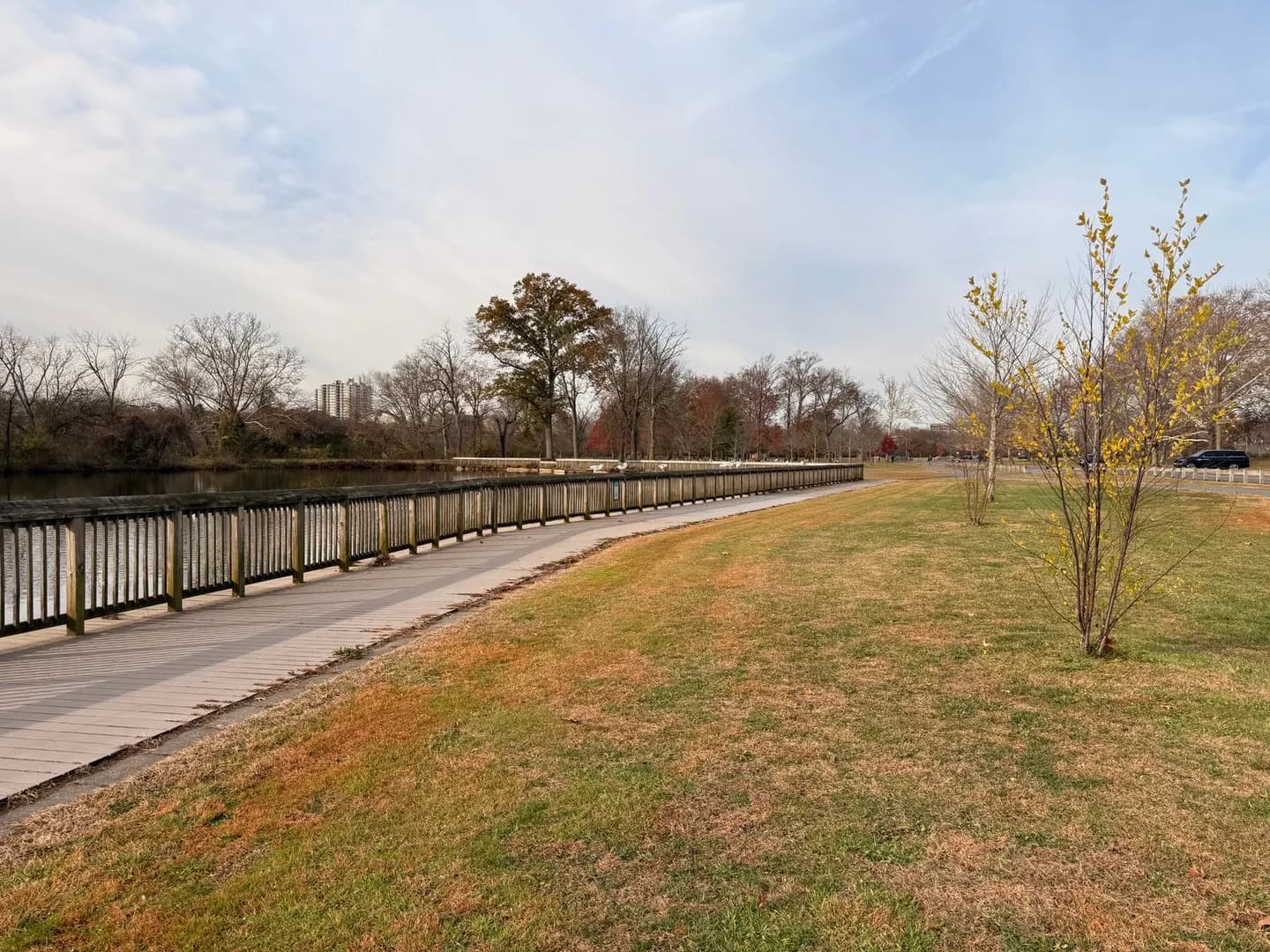
Naperville
Aging-in-place remodeling in Naperville, IL: 23,032 residents 65 and over, 1990-era two-stories over basements, stair lifts and main-floor suites, who pays.
Read the guide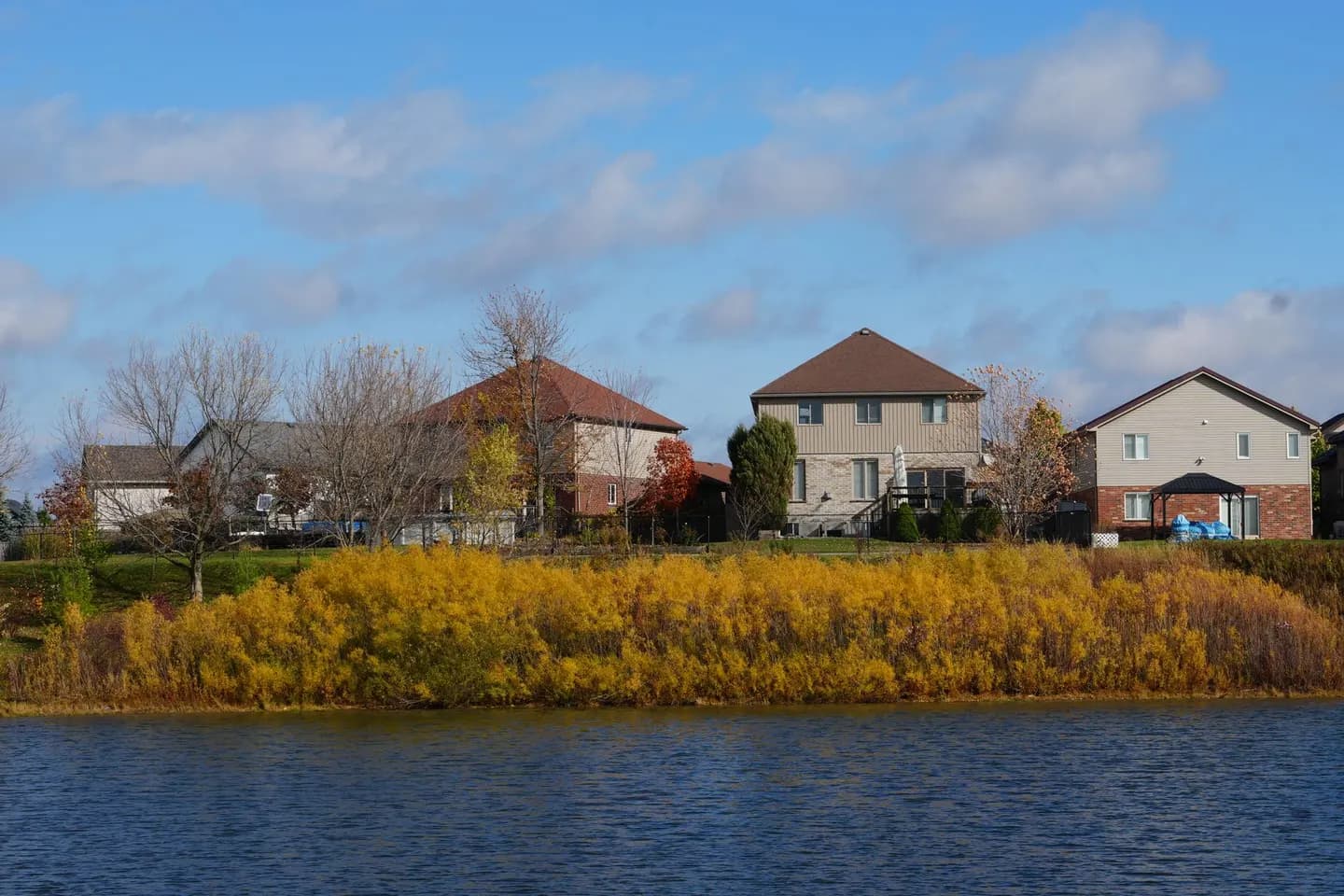
Lake Forest
Aging-in-place remodeling in Lake Forest, IL: 26.7% of residents are 65 and over, 1976-era houses on large lots, main-floor suites and elevators, who pays.
Read the guide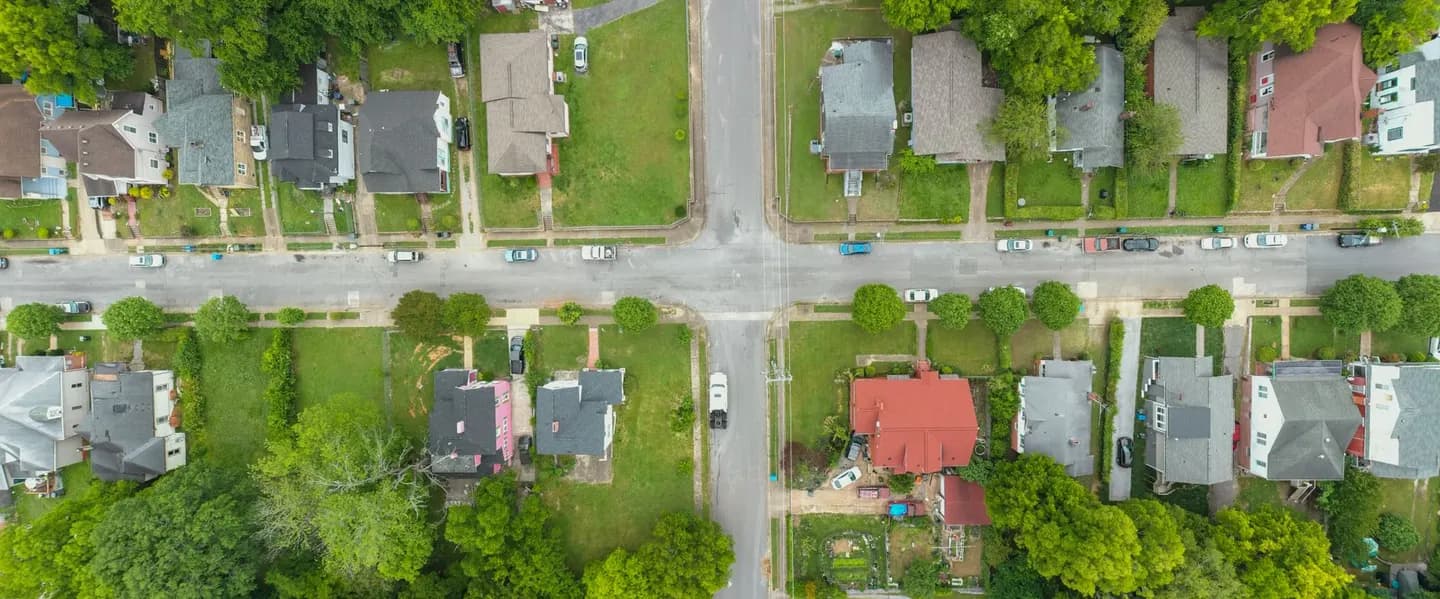
Northbrook
Aging-in-place remodeling in Northbrook, IL: 26.6% of residents are 65 and over, 1976-era split-levels and ranches on the North Shore, baths, who pays.
Read the guide
Hinsdale and Oak Brook
Aging-in-place remodeling in Hinsdale and Oak Brook, IL: Oak Brook is 34.1% residents 65 and over, new builds beside 1970s ranches, elevators, baths, who pays.
Read the guideQuestions people ask
How many seniors live in Illinois?
2,379,145 Illinois residents were 65 or older on July 1, 2025, 18.7% of the state, according to the Census Bureau's Vintage 2025 estimates. That group grew 13.4% since 2020 while the state as a whole shrank 0.6%. Cook County has the most, 896,689, and six Chicago-area counties hold 62% of the state's seniors.
Does Illinois license general contractors?
No. Illinois has no statewide general contractor license. The state licenses only roofers (through IDFPR) and plumbers (through IDPH). Chicago licenses general contractors through its Department of Buildings in five classes by project value, and suburbs register contractors locally, so the check depends on the town the house is in.
What does the Illinois Home Repair and Remodeling Act give a homeowner?
For any job over $1,000 the contractor must give you a written contract stating the total cost, parts and materials, and the business name and address, plus the state pamphlet 'Home Repair: Know Your Consumer Rights' with an acknowledgment form you both sign. The contractor must also carry liability insurance of $100,000 per person and $300,000 per occurrence, and a homeowner who is harmed can sue under the Consumer Fraud Act.
Does Medicaid pay for home modifications in Illinois?
Illinois Medicaid is run by the Illinois Department of Healthcare and Family Services (HFS). Ask HFS what home modification coverage exists for someone who qualifies financially and medically, and whether there is a waitlist. Most Illinois families pay directly.
Is there an Illinois program that helps pay for a ramp or walk-in shower?
The Illinois Housing Development Authority's Home Repair and Accessibility Program funds up to $50,000 per home for health, safety and accessibility repairs for owners at or below 80% of the area median income, through local governments and nonprofits that often hold waitlists. In Lake County, Community Partners for Affordable Housing offers up to $40,000 as a 0% forgivable loan for accessibility work. The Illinois Senior HelpLine at 1-800-252-8966 connects you to the local Area Agency on Aging for anything else.
What does aging-in-place remodeling cost in Illinois?
Illinois construction wages averaged $39.27 an hour against $31.42 nationally in May 2025 (Bureau of Labor Statistics), about 25% above, so local quotes usually land above the national ranges: $2,500 to $9,000 for a curbless shower, $6,600 to $28,000 for a full accessible bathroom, $3,000 to $20,000 for a stair lift, $875 to $5,000 for a ramp. Get 3 written local quotes.
Free, no obligation
Tell us about the home. We match you with a certified aging-in-place remodeler.
A few questions about your project. We never charge homeowners, and we never sell your information.