South Carolina
Aging-in-Place Remodeling in South Carolina: Homes, Licenses, Who Pays
Aging-in-place remodeling in South Carolina: raised coastal homes, crawl spaces inland, the LLR residential builder license, no recovery fund, and who pays.
Updated 2026-10-15. Reviewed against our editorial standards.

South Carolina had 1,173,259 residents 65 and over on July 1, 2025, 21.1% of the state (Census Bureau Vintage 2025 estimates), a group that grew 20.0% in 5 years while the state grew 8.5%. On the coast the typical retirement home is raised a full story for flood rules, so the first problem is the stairs to the front door; inland it is a 1980s or 1990s house on a crawl space, and mobile homes are 14.2% of the stock. Residential contractors are licensed by the LLR Residential Builders Commission, and there is no state recovery fund. Most South Carolina families pay directly; Medicaid, Medicare Advantage, long-term care insurance, VA grants, the SC Housing Trust Fund and the SC Assistive Technology Loan Program cover specific cases.
Ready to talk to a certified aging-in-place remodeler? Tell us about the home and get matched with a licensed remodeler serving your part of South Carolina.
South Carolina by the numbers
- 1,173,259 South Carolinians were 65 or older on July 1, 2025, 21.1% of 5,570,274, up 195,360 or 20.0% since July 2020 (Census Bureau Vintage 2025 county estimates).
- Horry County (Myrtle Beach) has 128,019 residents 65 and over, 29.9%, up 34.5% since 2020, the fastest in the state; Beaufort County (Hilton Head Island, Bluffton) 63,808, or 31.2% (same file).
- Georgetown County is 33.9% residents 65 and over, the highest share of any county (same file); Hilton Head Island is 39.2% and North Myrtle Beach 41.6% (Census American Community Survey 2024 five-year estimates).
- The median South Carolina home was built in 1992; 64.5% of homes are single-family detached, 14.2% are mobile homes, and 47.1% predate 1990 (same source).
Why South Carolina homes are different
Raised coastal houses. Hilton Head Island requires a home in its AE flood zones to sit no lower than 3 feet above the base flood elevation or 13 feet above mean sea level, whichever is higher (Town of Hilton Head Island): a flight of exterior stairs before the first threshold. A ramp at 1 foot of run per inch of rise would be far too long for most lots, so the answer is usually a platform lift or a residential elevator.
The substantial-improvement line. The City of Charleston counts improvement costs over one year and treats 50% or more of the building's assessed or appraised value as substantial improvement, which forces the whole house up to current flood elevation; Hilton Head's trigger is 49%. Get the valuation before pricing a bathroom safety remodel and a kitchen in the same year. Charleston's design table also lists a 150 mph wind speed, so replacement openings near the coast may need impact-rated products.
Crawl spaces, humidity and mobile homes inland. Inland stock is older (the median Columbia home dates to 1980), much of it on a vented crawl space. A South Carolina structural engineer advises a sealed crawl space over a vented one in this climate, never sealed while wet, and non-slip flooring matters wherever humidity meets tile. Mobile homes are 16.6% of Georgetown County's housing and 18.3% of Aiken County's (Census American Community Survey 2024 five-year estimates), where the jobs are a ramp to the raised entry, widened doorways.
Checking a South Carolina contractor's license
The LLR Residential Builders Commission licenses residential work under Title 40, Chapter 59 of the state code. A residential builder license is required when a job exceeds $5,000, with a bond of at least $15,000 kept on file at all times. Trade work between $500 and $5,000 needs a residential specialty contractor: electrical, plumbing and HVAC are licensed by exam, the other trades registered. When a single specialty job for a homeowner exceeds $5,000 the contractor posts a bond, $5,000 for registered trades and $10,000 for licensed electrical, plumbing and HVAC.
Look the contractor up at the LLR licensee lookup and confirm it is active on signing day. South Carolina has no contractor recovery fund: the chapter contains none, and the $40,000 fund some exam-prep sites describe does not exist. And an unlicensed builder cannot file a mechanics' lien or sue to enforce the contract. The full checklist is in how to choose an aging-in-place remodeler.
Who pays in South Carolina
Most South Carolina families pay directly, from savings, home equity or siblings splitting the cost: no pre-approval, no waitlist. Paying out of pocket covers the tools.
- Medicare and Medicare Advantage. Original Medicare pays nothing toward home modifications. Some Medicare Advantage plans add a bathroom safety allowance.
- Long-term care insurance. Many long-term care insurance policies include a capped home modification benefit.
- Medicaid. South Carolina's Medicaid program is run by the South Carolina Department of Health and Human Services (SCDHHS). Ask it what home modification coverage exists for someone who qualifies financially and medically, and whether there is a waitlist.
- Veterans. The VA's HISA grant pays for medically necessary alterations prescribed by a VA clinician.
- South Carolina and local programs. The SC Housing Trust Fund's Housing Preservation Initiative funds life, health and safety repairs, accessibility included, for low to very low-income homeowners through approved nonprofit sponsors; repairs under $15,000 are a grant. The SC Assistive Technology Loan Program lends up to $30,000 for home modifications to a resident with a documented disability. Rebuilding Together Spartanburg and Rebuild Upstate (Greenville) install ramps and accessible showers for low-income elderly and disabled homeowners.
The state unit on aging is the South Carolina Department on Aging (803-734-9900, toll-free 1-800-868-9095). It funds 10 Area Agencies on Aging, run by the regional councils of governments and each the local Aging and Disability Resource Center, which arrange minor home repair among other services; GetCareSC, its resource site, lists all 10 by county.
Where we work in South Carolina
Hilton Head Island. 39.2% of 37,911 residents are 65 or older (Census American Community Survey 2024 five-year estimates). See Hilton Head Island.
Bluffton. 24.6% of 33,157 residents, the median home built in 2012, Sun City Hilton Head the draw (same source). See Bluffton.
Myrtle Beach. 23.7% of 38,371 residents, in Horry County, which has 128,019 residents 65 and over, up 34.5% since 2020 (Census Bureau Vintage 2025 estimates). See Myrtle Beach.
Mount Pleasant and Charleston. 18.4% of Mount Pleasant's 93,993 residents and 16.4% of Charleston's 154,338 (Census American Community Survey 2024 five-year estimates). See Mount Pleasant and Charleston.
Elsewhere in South Carolina, request a match anyway; a certified aging-in-place remodeler serving your area will reach out once matched.
What it costs in South Carolina
National installed ranges (2022 to 2026 estimates, not quotes): $2,500 to $9,000 for a curbless shower, $6,600 to $28,000 for a full accessible bathroom, $3,000 to $20,000 for a stair lift, $875 to $5,000 for a ramp. South Carolina construction wages averaged $26.64 an hour against $31.42 nationally in May 2025 (Bureau of Labor Statistics), about 15% below, so local quotes often land under the national ranges, with the Charleston and Hilton Head coast running higher than Myrtle Beach and the inland cities. Get 3 written local quotes and read the cost guide.
Ready to talk to a certified aging-in-place remodeler? Request a match and talk to a licensed remodeler serving your part of South Carolina.
Cities and counties
Local guides for South Carolina

Hilton Head Island
Aging-in-place remodeling on Hilton Head Island: 39.2% of residents are 65 and over, raised homes with stairs to the door, villas, ARB rules and who pays.
Read the guide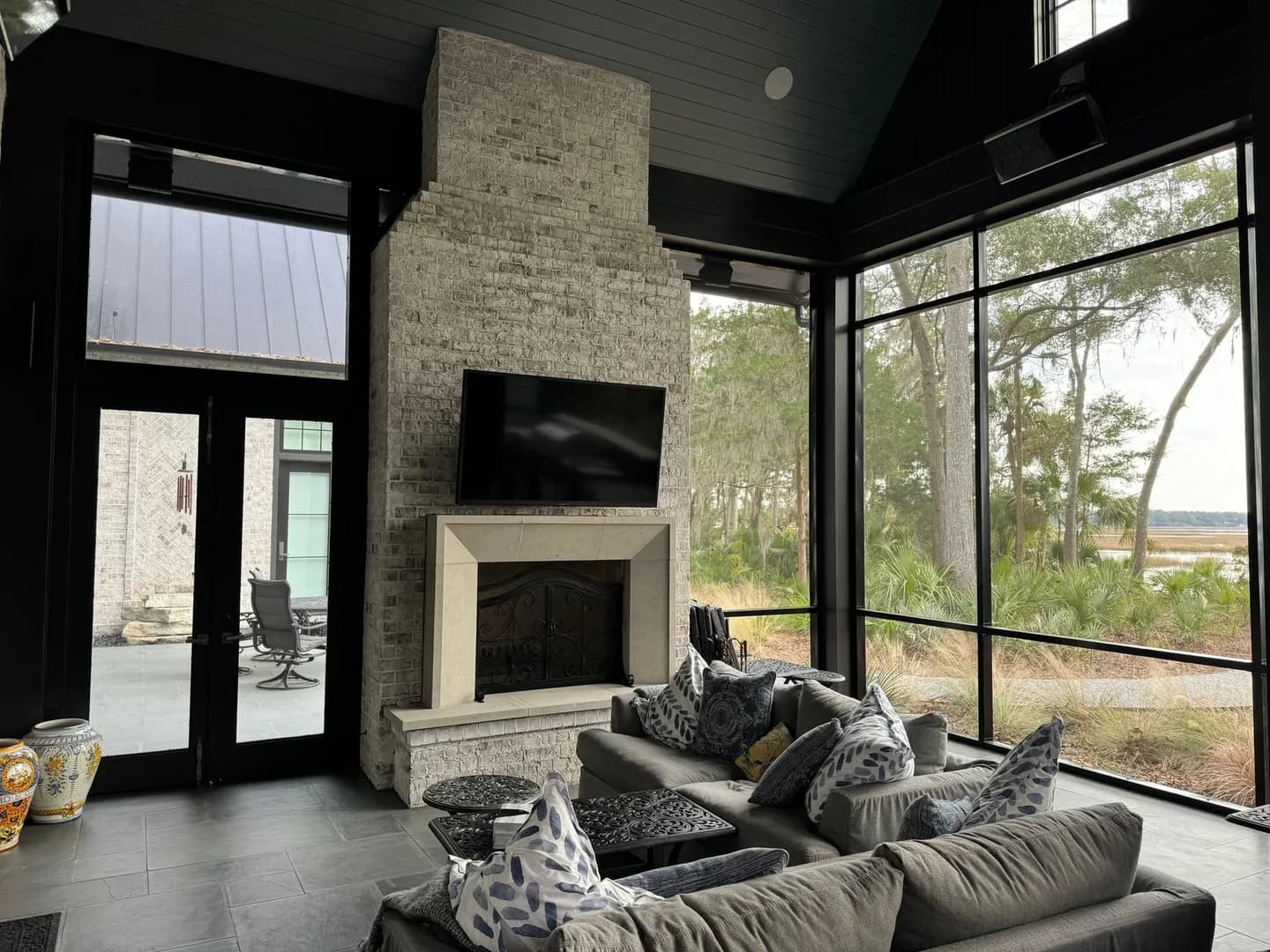
Bluffton
Aging-in-place remodeling in Bluffton, SC: 24.6% of residents are 65 and over, homes built around 2012, Sun City Hilton Head, ramps for residents 50+, who pays.
Read the guide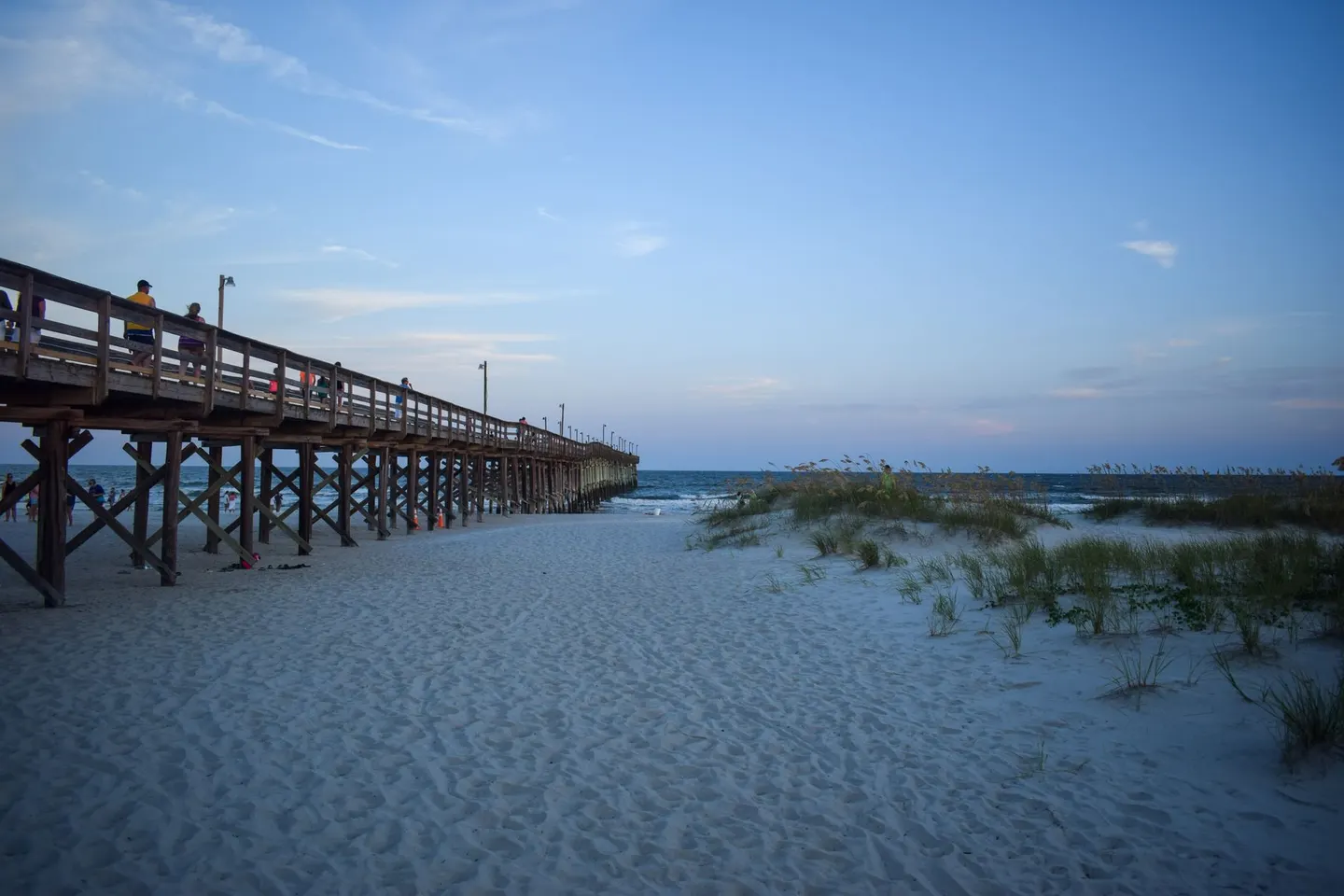
Myrtle Beach
Aging-in-place remodeling in Myrtle Beach: Horry County's 65+ population grew 34.5% since 2020, condos and manufactured homes, wind-rated openings and who pays.
Read the guide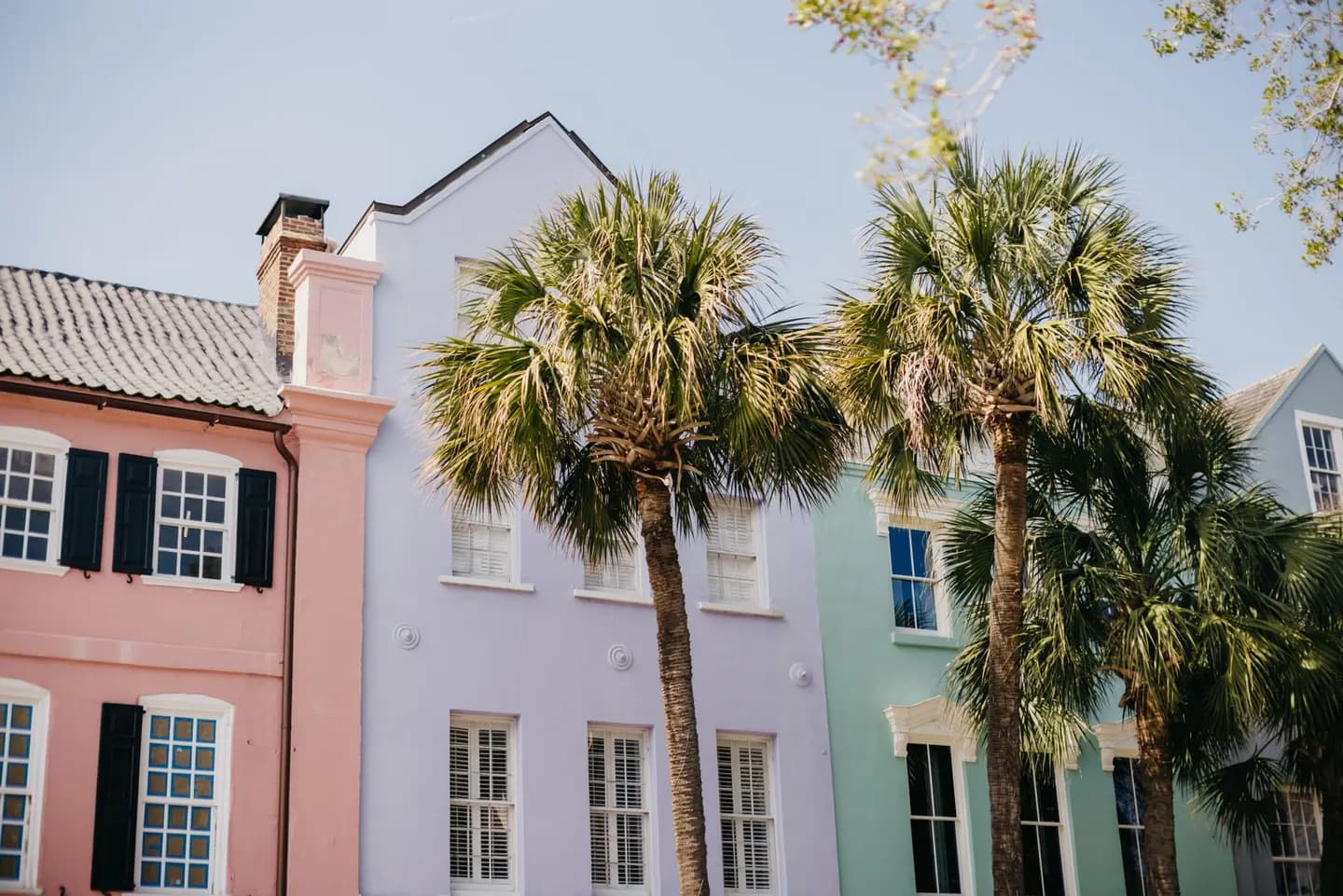
Mount Pleasant and Charleston
Aging-in-place remodeling in Mount Pleasant and Charleston: raised historic houses, the 50% flood rule, 150 mph wind and seismic design, elevators and who pays.
Read the guideQuestions people ask
How many seniors live in South Carolina?
1,173,259 South Carolinians were 65 or older on July 1, 2025, 21.1% of the state, according to the Census Bureau's Vintage 2025 estimates. That group grew 20.0% since 2020 while the state as a whole grew 8.5%. Horry County (Myrtle Beach) has the most, 128,019.
Do I need a licensed contractor for an aging-in-place remodel in South Carolina?
For any job over $5,000, yes: a residential builder licensed by the LLR Residential Builders Commission. Trade work between $500 and $5,000 needs a registered or licensed residential specialty contractor, and electrical, plumbing and HVAC always need a licensed trade. Look the license up at the LLR licensee lookup before you sign.
Does South Carolina have a contractor recovery fund?
No. Title 40, Chapter 59 of the state code, which governs residential builders, contains no recovery or guaranty fund, whatever an exam-prep site says. Your protection is the license check, the builder's $15,000 bond, a milestone payment schedule and the right to complain to the Commission.
Does Medicaid pay for home modifications in South Carolina?
South Carolina's Medicaid program is run by the South Carolina Department of Health and Human Services (SCDHHS). Ask SCDHHS what home modification coverage exists for someone who qualifies financially and medically, and whether there is a waitlist. Most South Carolina families pay directly.
Is there a South Carolina program that helps pay for a ramp or walk-in shower?
The SC Housing Trust Fund's Housing Preservation Initiative funds life, health and safety repairs, including accessibility modifications, for low to very low-income homeowners through approved nonprofit sponsors; repairs under $15,000 are a grant. The SC Assistive Technology Loan Program lends up to $30,000 for home modifications to residents with a documented disability. Everything else is local and income-limited; your Area Agency on Aging is the place to ask.
What does aging-in-place remodeling cost in South Carolina?
South Carolina construction wages averaged $26.64 an hour against $31.42 nationally in May 2025 (Bureau of Labor Statistics), about 15% below, so local quotes often sit toward the low end of national ranges: $2,500 to $9,000 for a curbless shower, $6,600 to $28,000 for a full accessible bathroom, $3,000 to $20,000 for a stair lift, $875 to $5,000 for a ramp. Get 3 written local quotes.
Free, no obligation
Tell us about the home. We match you with a certified aging-in-place remodeler.
A few questions about your project. We never charge homeowners, and we never sell your information.