Washington
Aging-in-Place Remodeling in Washington: Homes, Licenses, Who Pays
Aging-in-place remodeling in Washington: hillside 1970s homes, rain at the entry, L&I contractor registration, the 13 Area Agencies on Aging, and who pays.
Updated 2026-10-15. Reviewed against our editorial standards.
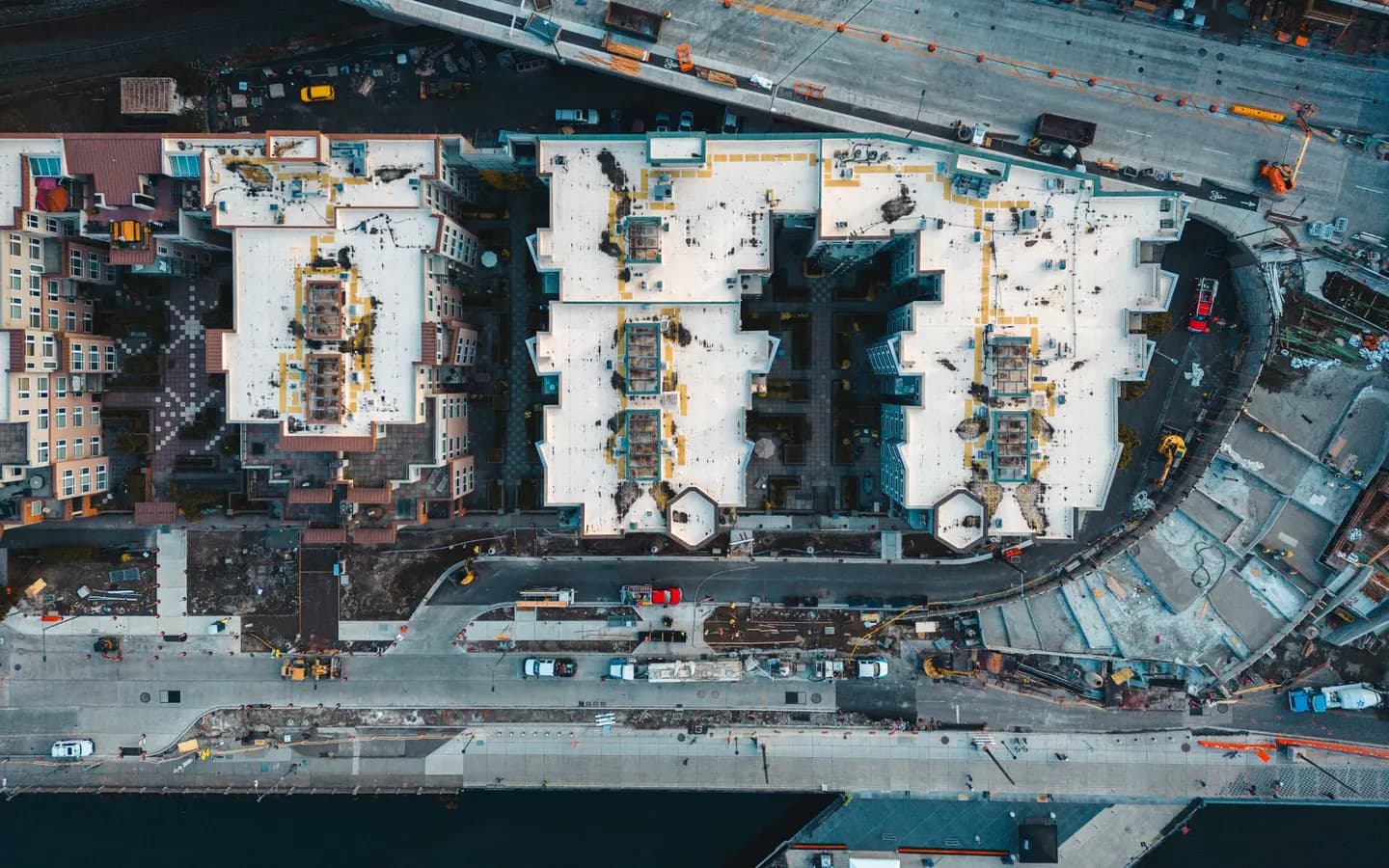
Washington had 1,460,563 residents 65 and over on July 1, 2025, 18.3% of the state (Census Bureau Vintage 2025 estimates), a group that grew 15.9% in 5 years while the state grew 3.5%. The typical house west of the Cascades is a 1970s or 1980s wood-frame home on a sloped lot, with stairs at the entry and a tub in the bathroom, under about 150 days of rain a year. Contractors are registered, not skill-tested, by the Department of Labor & Industries (L&I), and the only exemption is casual work under $500. Most Washington families pay directly; insurance, Medicaid, VA grants and a few county and city repair loans cover specific cases.
Ready to talk to a certified aging-in-place remodeler? Tell us about the home and get matched with a registered remodeler serving your part of Washington.
Washington by the numbers
- 1,460,563 Washington residents were 65 or older on July 1, 2025, 18.3% of 8,001,020, up 200,124 or 15.9% since July 2020 (Census Bureau Vintage 2025 county estimates).
- King County (Seattle, Mercer Island) has 355,535 residents 65 and over, 15.2%; Snohomish County (Edmonds) 142,928, up 19.1% since 2020; Spokane County 108,064; Kitsap County (Bainbridge Island) 62,136, 21.9%. Jefferson County (Port Townsend) is 44.2% 65 and over and Clallam County (Sequim) 35.2%, the oldest in the state (same file).
- The median Washington home was built in 1985 and 43.4% predate 1990 (Census American Community Survey 2024 five-year estimates).
Why Washington homes are different
Hillside lots and 1970s plans. King County's median home dates from 1983 and 45.5% of its housing predates 1990; the City of Spokane's median is 1961 (Census American Community Survey 2024 five-year estimates). Builders used the split-level plan from the 1960s into the early 1980s because its half-buried lower floor fit a hillside lot, and basements are common west of the Cascades. That leaves stairs between the garage, the kitchen and the bedrooms: a straight-rail stair lift between half-levels, a main-floor bedroom and bath, or a residential elevator or platform lift.
Rain, moss and the entry. Seattle-Tacoma airport records 152 days a year with measurable rain; Spokane 112 (NOAA 1991 to 2020 normals). Wet wood steps grow moss and turn slick, so the entry job is a covered landing, a ramp or step-free entry with a gritted surface and railings on both sides. Inside, the 1970s bath with its tub and curbed shower becomes a bathroom safety remodel: a curbless shower, grab bars into studs, a comfort-height toilet and non-slip flooring.
Earthquakes and codes. Seattle issues an Earthquake Home Retrofit Permit for older wood-frame houses (anchor the house to the foundation, brace the crawl-space wall); homes built before about 1980 are the usual candidates. The 2021 Washington residential and energy codes have applied since March 15, 2024. Islands such as Bainbridge, Vashon and the San Juans depend on Washington State Ferries, and island bids tend to include ferry time and freight.
Checking a Washington contractor's license
Washington has no competency license for remodelers. L&I registers contractors under chapter 18.27 RCW: a general contractor (more than one trade on a job) files a $30,000 surety bond, a specialty contractor $15,000, and every registrant carries liability insurance. L&I's own hiring guide says the state "does not require contractors to pass a competency or skills test to become registered"; electricians and plumbers are separately tested and licensed. The handyman rule is RCW 18.27.090(9): the only dollar exemption is work with a total price under $500 for labor and materials that is casual, minor or inconsequential, and it is void if the work is part of a larger job, is split into pieces under $500, or the person advertises as a contractor. On any residential job of $1,000 or more the contractor must hand you L&I's "Notice to Customer" disclosure before starting.
Look the contractor up at L&I's Verify a Contractor tool (secure.lni.wa.gov/verify) for bond, insurance, lawsuits and infractions. Since registration proves nothing about skill, references and a CAPS designation matter more here. The new Homeowner Recovery Fund pays an owner-occupant up to $25,000 on an unpaid court judgment against a registered contractor (judgments after July 1, 2026, 90 days to apply). The full checklist is in how to choose an aging-in-place remodeler.
Who pays in Washington
Most Washington families pay directly, from savings, home equity or siblings splitting the cost: no pre-approval, no waitlist. Paying out of pocket covers the tools.
- Medicare and Medicare Advantage. Original Medicare pays nothing toward home modifications. Some Medicare Advantage plans add a bathroom safety allowance.
- Long-term care insurance. Many long-term care insurance policies include a capped home modification benefit, with pre-approval.
- Medicaid. Washington's Medicaid program, Apple Health, is run by the Washington State Health Care Authority. Ask it what home modification coverage exists for someone who qualifies financially and medically, and whether there is a waitlist.
- Veterans. The VA's HISA grant pays for medically necessary alterations prescribed by a VA clinician.
- County and city programs. King County's Housing Repair Program lends up to $34,000 at no interest, repaid at sale, to owner-occupants outside Seattle and Bellevue under 80% of the county median income; ask whether it funds accessibility work for owners. Seattle's Office of Housing lends $3,000 to $24,000 at 0%, with accessibility on its priority list and a waitlist. In Spokane, SNAP's Essential Home Repair grants of up to $6,000 cover ramps and shower conversions. Rebuilding Together affiliates in Seattle, the South Sound and Thurston County install grab bars and ramps at no cost for low-income senior and disabled homeowners.
The state unit on aging is the DSHS Home and Community Living Administration, which took over the Aging and Long-Term Support Administration's work in 2025 and funds 13 Area Agencies on Aging. The entry point is Community Living Connections at 1-855-567-0252, which routes you to the local agency (Aging & Disability Services at 206-684-0660 for King County, for example).
Where we work in Washington
Mercer Island. 22.2% of 25,307 residents are 65 or older (Census American Community Survey 2024 five-year estimates), 1973-era homes on hillside lots. See Mercer Island.
Edmonds. 23.6% of 42,735 residents, 1974 homes above the Sound (same source). See Edmonds.
Bainbridge Island. 27.4% of 24,631 residents, a ferry ride from Seattle (same source). See Bainbridge Island.
Sequim and Port Townsend. 45.6% and 43.6% of residents, the highest shares in the state (same source). See Sequim and Port Townsend.
Elsewhere in Washington, request a match anyway; a certified aging-in-place remodeler serving your area will reach out once matched.
What it costs in Washington
National installed ranges (2022 to 2026 estimates, not quotes): $2,500 to $9,000 for a curbless shower, $6,600 to $28,000 for a full accessible bathroom, $3,000 to $20,000 for a stair lift, $875 to $5,000 for a ramp. Washington construction wages averaged $39.60 an hour against $31.42 nationally in May 2025 (Bureau of Labor Statistics), about 26% above, so local quotes will sit above the national ranges. Get 3 written local quotes; see the cost guide.
Ready to talk to a certified aging-in-place remodeler? Request a match and talk to a registered remodeler serving your part of Washington.
Cities and counties
Local guides for Washington
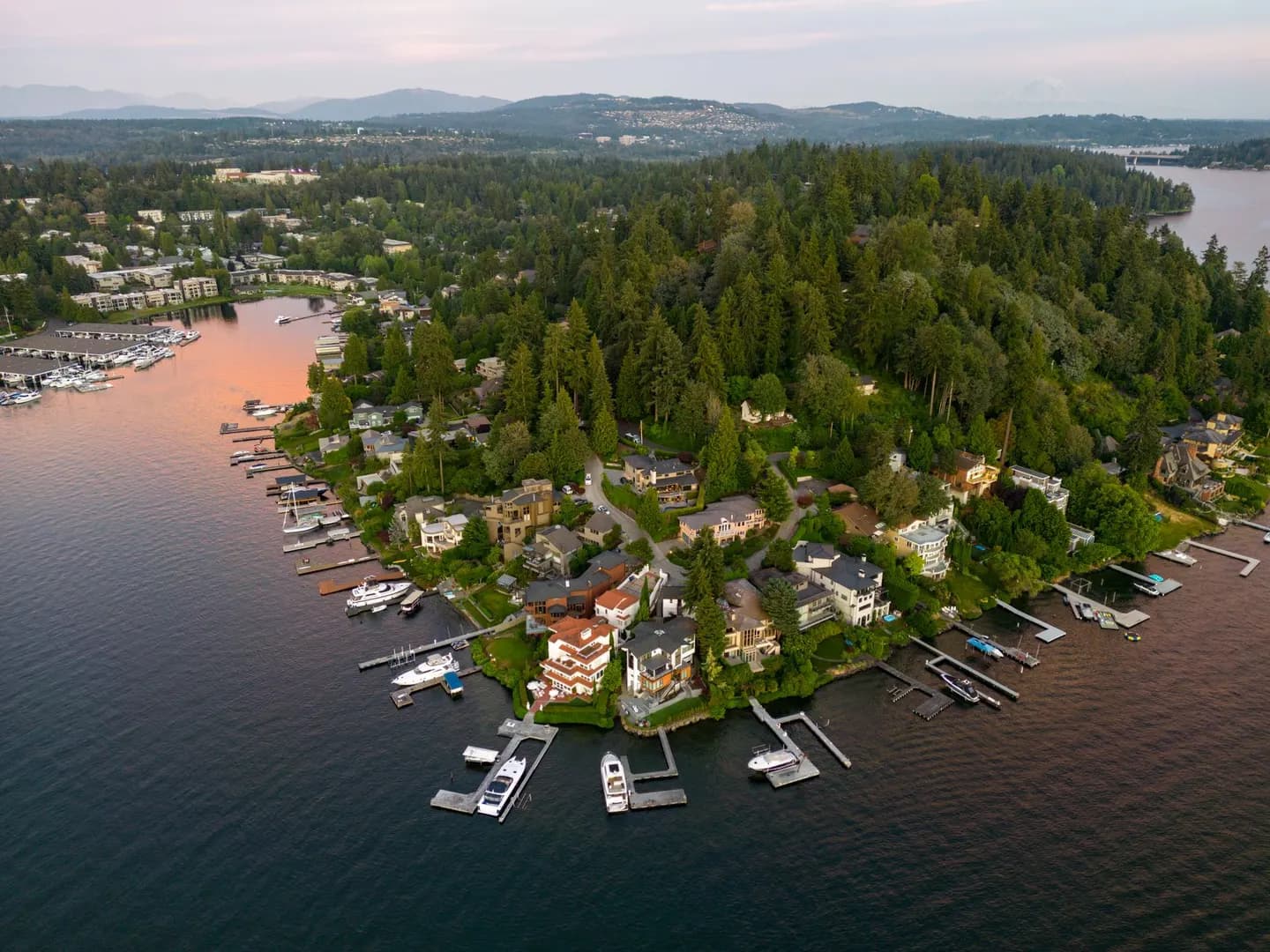
Mercer Island
Aging-in-place remodeling on Mercer Island, WA: 22.2% of residents are 65 and over, 1973 hillside homes, elevators and curbless baths, L&I checks, and who pays.
Read the guide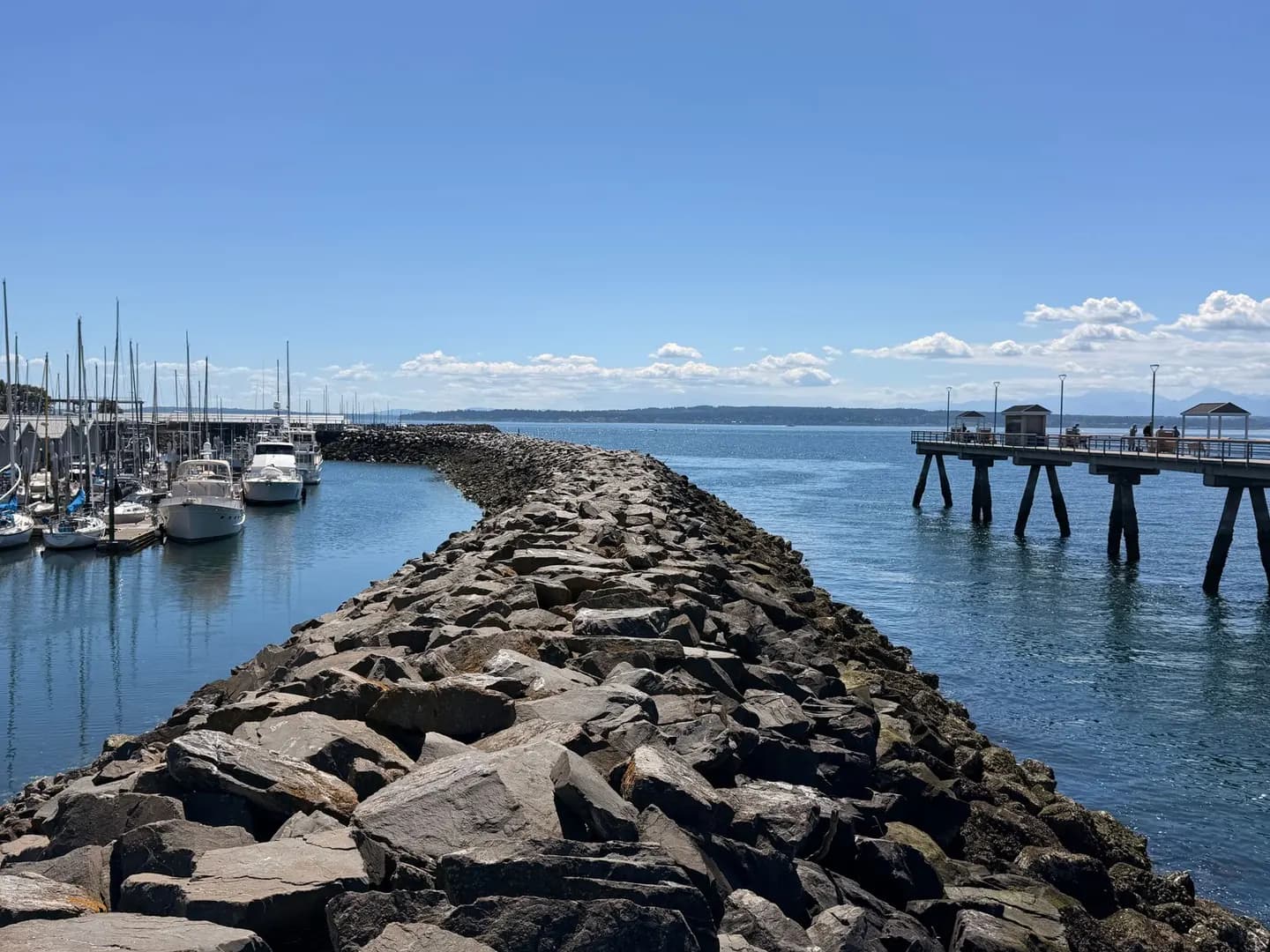
Edmonds
Aging-in-place remodeling in Edmonds, WA: 23.6% of residents are 65 and over, 1974 homes above Puget Sound, curbless showers, stair lifts, and who pays.
Read the guide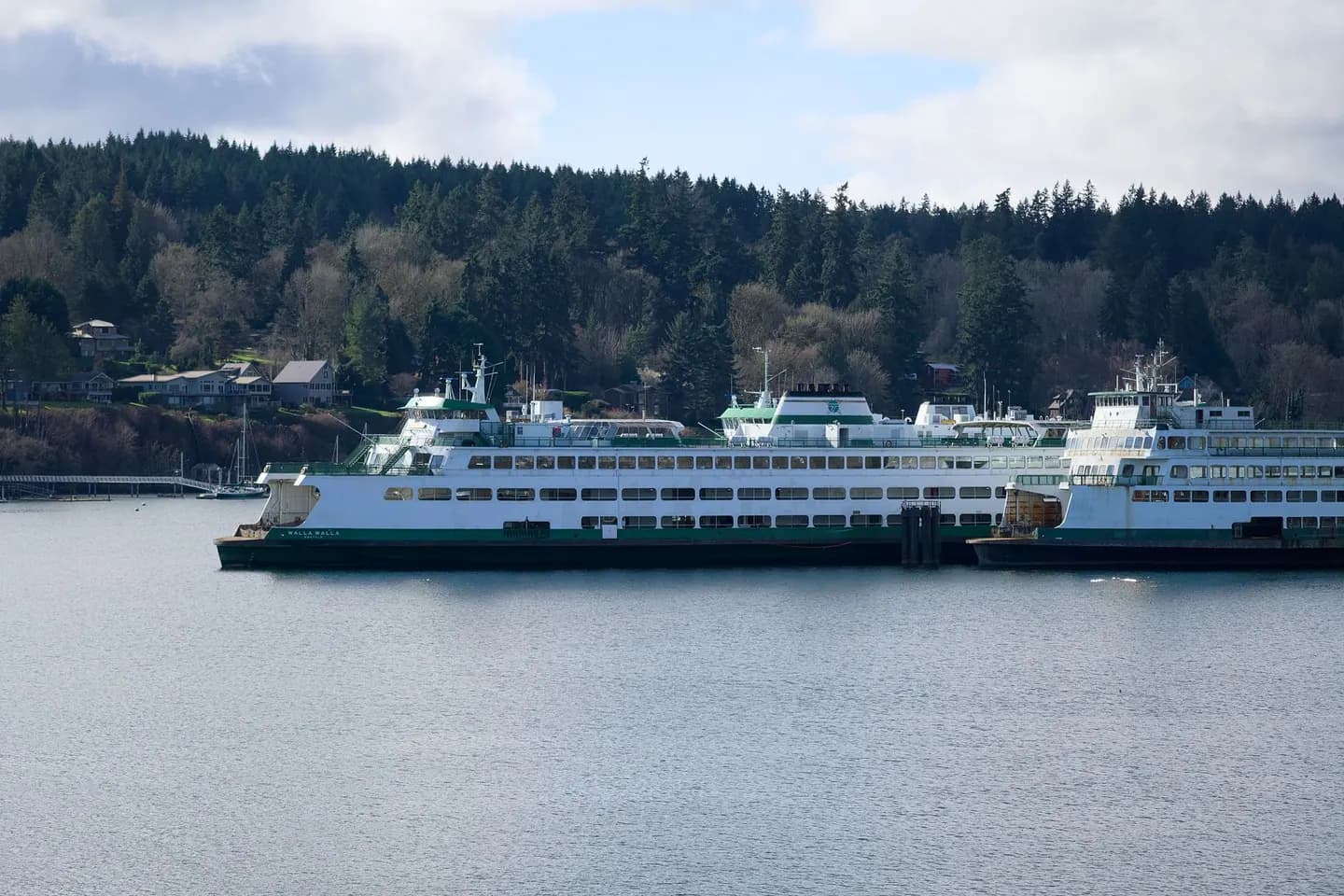
Bainbridge Island
Aging-in-place remodeling on Bainbridge Island, WA: 27.4% of residents are 65 and over, 1989 homes, ferry-dependent contractors, L&I checks, and who pays.
Read the guide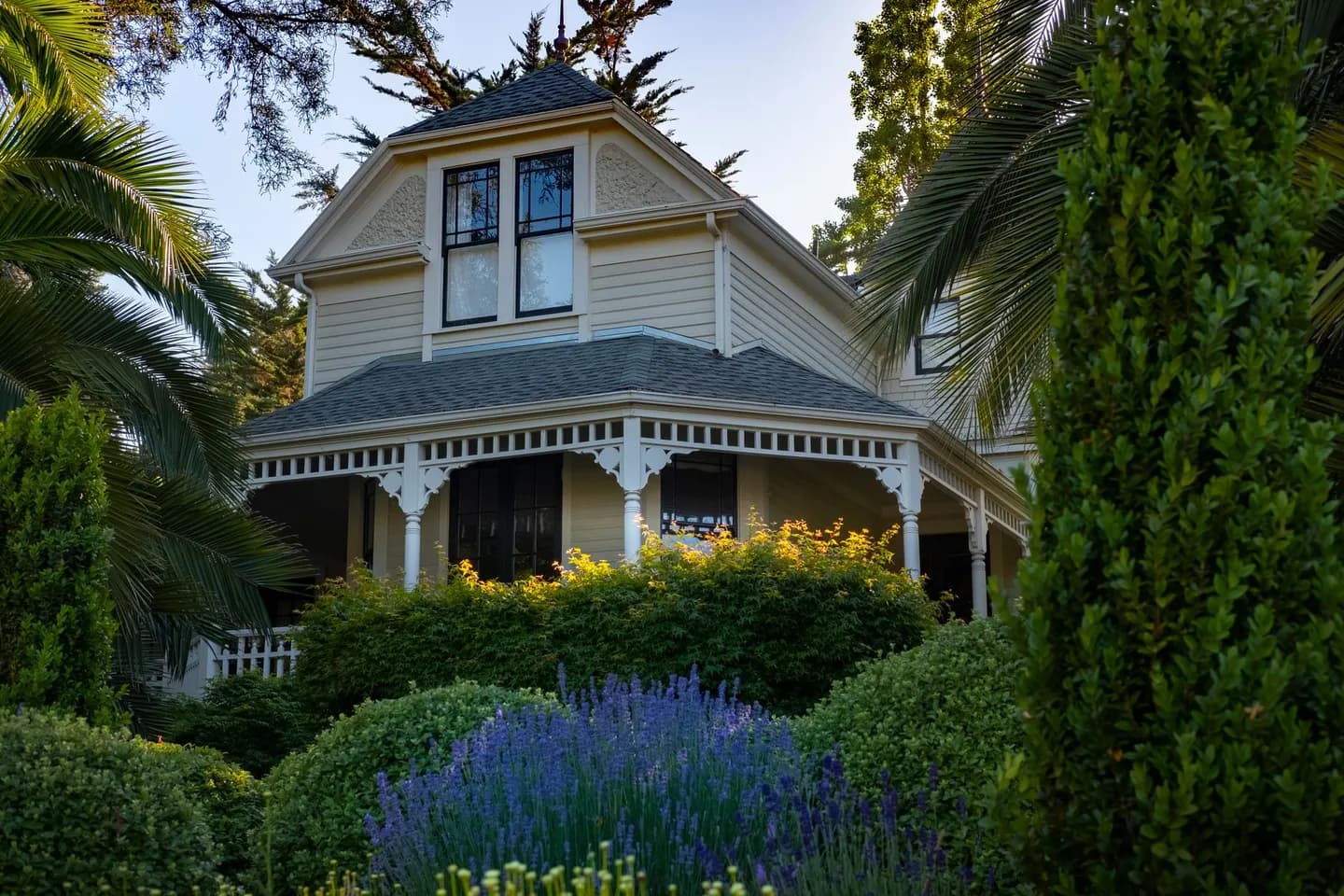
Sequim and Port Townsend
Aging-in-place remodeling in Sequim and Port Townsend, WA: 45.6% and 43.6% of residents are 65 and over, the state's highest shares, L&I checks, and who pays.
Read the guideQuestions people ask
How many seniors live in Washington State?
1,460,563 Washington residents were 65 or older on July 1, 2025, 18.3% of the state, according to the Census Bureau's Vintage 2025 estimates. That group grew 15.9% since 2020 while the state as a whole grew 3.5%. King County has the most, 355,535.
Do I need a licensed contractor for an aging-in-place remodel in Washington?
You need a contractor registered with the Department of Labor & Industries (L&I) for almost any job. The only dollar exemption is work under $500 that is casual or minor, and it is void if the job is split or the person advertises as a contractor. Registration requires a bond and liability insurance but no skills test, so check references and the license history at L&I's Verify a Contractor tool.
What bond does a Washington contractor carry?
$30,000 for a general contractor and $15,000 for a specialty contractor, raised from $12,000 and $6,000 for registrations and renewals on or after July 1, 2024. L&I also requires liability insurance of $200,000 public liability and $50,000 property damage, or $250,000 combined. A homeowner who wins a court judgment against a registered contractor can also apply to L&I's Homeowner Recovery Fund, which pays up to $25,000.
Does Medicaid pay for home modifications in Washington?
Washington's Medicaid program, Apple Health, is run by the Washington State Health Care Authority. Ask it what home modification coverage exists for someone who qualifies financially and medically, and whether there is a waitlist. Most Washington families pay directly.
Is there a Washington program that helps pay for a ramp or walk-in shower?
Help is local and income-limited. King County's Housing Repair Program lends up to $34,000 at no interest, repaid at sale, to owners outside Seattle and Bellevue under 80% of the county median income; Seattle's Home Repair Loan Program lends $3,000 to $24,000 at 0% with accessibility work on its priority list; Spokane's SNAP Essential Home Repair makes grants up to $6,000 that can cover ramps and shower conversions. Community Living Connections at 1-855-567-0252 reaches your Area Agency on Aging.
What does aging-in-place remodeling cost in Washington?
More than the national ranges. Washington construction wages averaged $39.60 an hour against $31.42 nationally in May 2025 (Bureau of Labor Statistics), about 26% above, and $42.11 in the Seattle area. National estimates run $2,500 to $9,000 for a curbless shower, $6,600 to $28,000 for a full accessible bathroom, $3,000 to $20,000 for a stair lift and $875 to $5,000 for a ramp; expect Washington quotes toward the top or past it. Get 3 written local quotes.
Free, no obligation
Tell us about the home. We match you with a certified aging-in-place remodeler.
A few questions about your project. We never charge homeowners, and we never sell your information.