South Carolina
Aging-in-Place Remodeling in Mount Pleasant and Charleston, SC
Aging-in-place remodeling in Mount Pleasant and Charleston: raised historic houses, the 50% flood rule, 150 mph wind and seismic design, elevators and who pays.
Updated 2026-10-15. Reviewed against our editorial standards.
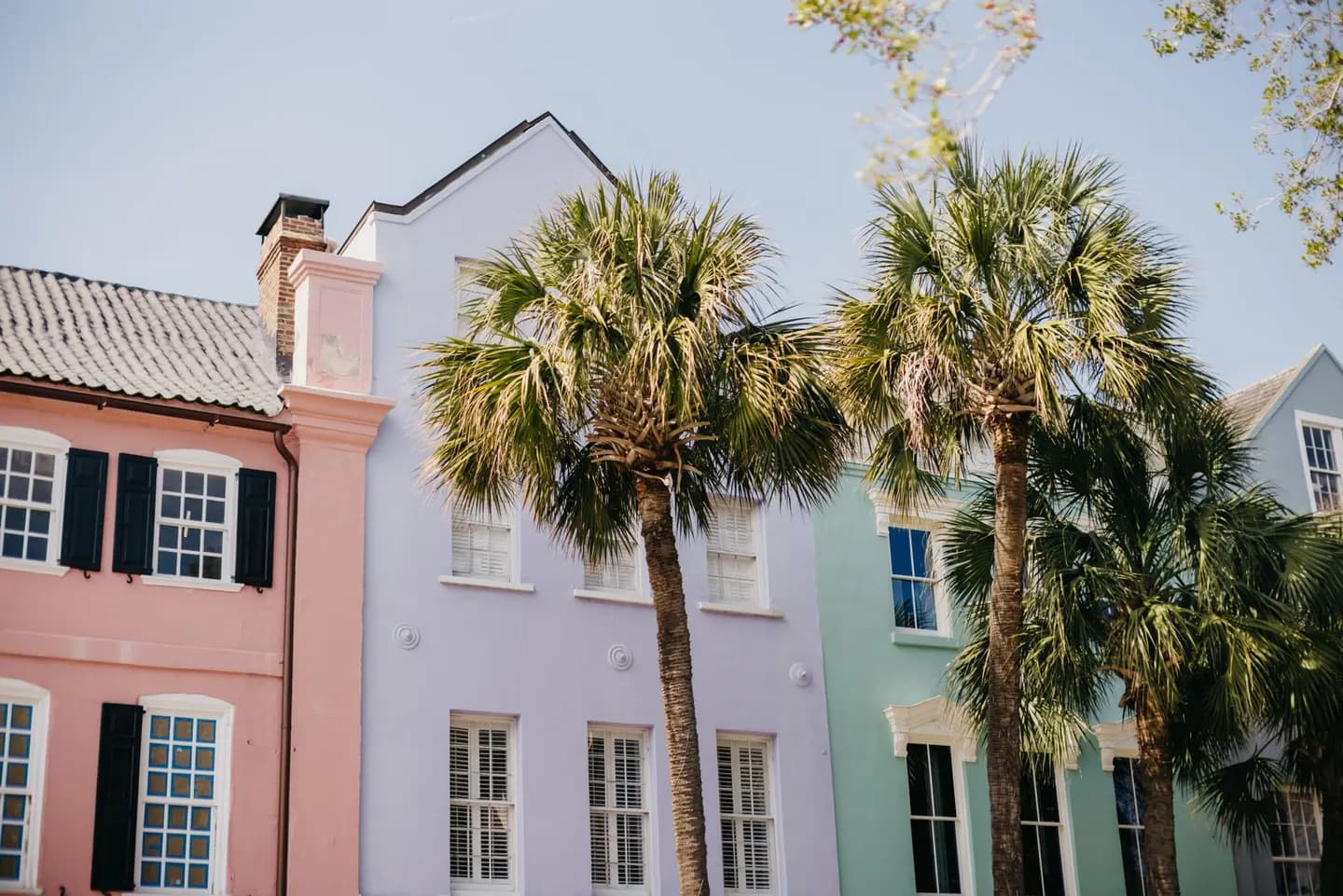
Charleston County had 85,144 residents 65 and over on July 1, 2025, 19.5% of the county and up 18.5% since 2020 (Census Bureau Vintage 2025 estimates); 18.4% of Mount Pleasant's 93,993 residents and 16.4% of Charleston's 154,338 are 65 or older (Census American Community Survey 2024 five-year estimates). The housing is raised historic single houses on the peninsula and 1990s to 2000s homes in Mount Pleasant and Daniel Island, many also raised a story for flood rules. Contractors are licensed by the South Carolina LLR Residential Builders Commission. The projects that come up most are a home elevator or lift past the entry stairs, a curbless main-floor bathroom and a main-floor bedroom.
Ready to talk to a certified aging-in-place remodeler? Tell us about the home and get matched with a licensed remodeler serving Mount Pleasant and Charleston.
Mount Pleasant and Charleston by the numbers
- Mount Pleasant: 18.4% of 93,993 residents are 65 or older; median household income $124,755, median home value $748,500, median home built in 2000, 63.6% single-family detached (Census American Community Survey 2024 five-year estimates).
- Charleston: 16.4% of 154,338 residents; median household income $92,414, median home value $509,700, median home built in 1995, 47.7% detached, 45.2% built before 1990 (same source).
- Charleston County had 85,144 residents 65 and over on July 1, 2025, 19.5% of 436,200, up 18.5% since 2020(Census Bureau Vintage 2025 estimates).
The homes here
Raised, by rule and by habit. Charleston requires a permit for all development in its Special Flood Hazard Area, and a home rebuilt or substantially improved there must sit at least 1 foot above the base flood elevation. The old single houses were raised on brick piers long before any map, with steps to the piazza door; newer Mount Pleasant houses put the garage under the living floor. A ramp works for a 3-step porch; for a full story the answer is a vertical platform lift or a residential elevator, a five-figure project.
The cumulative 50% rule. The city adds up improvement costs over one year; at 50% or more of the building's assessed or appraised value, the whole house must meet current flood design. A bathroom, a kitchen and an elevator in the same year can cross it on a modestly valued older house, so check with the floodplain office (843-579-6481) first. Historic-district houses also face the city's architectural review for exterior changes.
Wind, earthquake, termites. Charleston's design table under the 2021 code lists a 150 mph ultimate design wind speed, seismic category D2, no frost line and "very heavy" termite exposure. A new elevator shaft or a widened opening in a masonry wall is engineered work here, and replacement windows may need impact glazing.
Inside the house. A 1995 to 2000 Mount Pleasant house has the primary suite upstairs and a powder room down, so the main-floor bedroom and bath conversion comes up as often as the elevator. The bathroom safety remodel that fits is a curbless shower with a bench and grab bars in the faucet finish; humidity keeps the piazza tile slick, a job for non-slip flooring.
Licensing and permits in Charleston County
The South Carolina LLR Residential Builders Commission licenses the work: a residential builder for any job over $5,000, with a $15,000 bond on file; a registered or licensed specialty contractor for trade work between $500 and $5,000, and licensed electricians, plumbers and HVAC contractors always. South Carolina has no recovery fund, and an unlicensed builder cannot lien or sue on the contract, so check the license at the LLR licensee lookup. Charleston and Mount Pleasant each issue their own permits; write into the contract who pulls them. The South Carolina page has the full state rule.
Who pays
Most families here pay directly, from savings, a home equity line or siblings splitting the cost: no pre-approval, your choice of contractor, and paying out of pocket covers the tools. The Trident Area Agency on Aging serves the county at 843-554-2275. The City of Charleston's Substantial Rehabilitation Program lends up to $80,000 over 20 to 30 years for major repairs when the owner contributes at least 20% of the construction cost (843-724-7349); the county's 2022 critical repair program for homeowners 62 and older has closed. A long-term care policy often includes a capped home modification benefit, and medical modifications can count as tax deductions. Original Medicare pays nothing toward remodeling; for Medicaid, ask the South Carolina Department of Health and Human Services what is covered and whether there is a waitlist; veterans should ask the VA about the HISA grant.
Common projects in Mount Pleasant and Charleston
Charleston-area construction wages averaged $27.41 an hour against $31.42 nationally in May 2025 (Bureau of Labor Statistics). Get 3 written quotes from LLR-licensed builders.
- Home elevator or lift: stops, shaft location and the wind and seismic engineering drive the price; a platform lift is a fraction of an elevator.
- Stair lift: $3,000 to $20,000 nationally; a curved rail on a historic staircase is the expensive end.
- Bathroom safety remodel: $2,500 to $9,000 for the curbless conversion, $6,600 to $28,000 for the full accessible bathroom.
- Main-floor bedroom and bath: the plumbing run and conversion versus addition drive it.
Ready to talk to a certified aging-in-place remodeler? Request a match and talk to a licensed remodeler serving Mount Pleasant and Charleston.
Questions people ask
How many seniors live in Charleston County?
Charleston County had 85,144 residents 65 and over on July 1, 2025, 19.5% of the county, up 18.5% since 2020 (Census Bureau Vintage 2025 estimates). 18.4% of Mount Pleasant's 93,993 residents and 16.4% of Charleston's 154,338 are 65 or older (Census American Community Survey 2024 five-year estimates).
Why are so many Charleston homes raised off the ground?
Flood rules and tradition. Charleston requires a building permit for all development in its Special Flood Hazard Area, and homes rebuilt or substantially improved there must sit at least 1 foot above the base flood elevation, with Coastal A Zone rules applied citywide since January 2023. Older single houses were raised on brick piers long before the maps, so stairs to the piazza door are the norm.
What is the 50 percent rule in Charleston?
The City of Charleston adds up improvement costs over one year, and when the total equals or exceeds 50 percent of the building's assessed or appraised value, the work counts as substantial improvement and the whole house must meet current flood design, including elevation. Ask the floodplain office (843-579-6481) which valuation applies before pricing a large remodel.
Is a home elevator a good idea in a Charleston house?
For a raised house with the living floor a story up and bedrooms above that, often yes. A residential elevator through the ground-floor enclosure or a side addition keeps every floor usable, a five-figure project that needs an engineer because Charleston's design table lists a 150 mph wind speed and the highest residential seismic category on the East Coast. A vertical platform lift or a stair lift handles a single flight for less.
Who licenses remodelers in Mount Pleasant and Charleston?
The South Carolina LLR Residential Builders Commission. A job over $5,000 needs a licensed residential builder with a $15,000 bond on file; trade work between $500 and $5,000 needs a registered or licensed specialty contractor. South Carolina has no recovery fund, so check the license at the LLR licensee lookup before signing.
Is there local help paying for accessibility work in Charleston?
The City of Charleston's Substantial Rehabilitation Program lends up to $80,000 over 20 to 30 years for major repairs when the owner puts in at least 20% of the construction cost; Charleston County's 2022 critical home repair program for homeowners 62 and older has closed and the county refers families to 211. The Trident Area Agency on Aging (843-554-2275) is the place to ask about minor home repair. Most families here pay directly.
Free, no obligation
Tell us about the home. We match you with a certified aging-in-place remodeler.
A few questions about your project. We never charge homeowners, and we never sell your information.